Green shoots: Three female entrepreneurs who have developed eco-friendly children's products
EVERY parent wants to do what’s best for their child: priorities are reordered, and parents juggle careers and home life to achieve a workable balance for their family. For a growing number of Irish mothers, their personal experiences have also been the inspiration behind innovative and more sustainable new products and businesses.
SWITCHING CAN BE EASY
Siobhan Elsom became more
conscious of what products she was using while pregnant for the first time.
“I really wanted to make sure there was nothing harmful getting anywhere near my baby. I also became a lot more conscious of my stamp on the environment, now that we were going to have a more direct involvement in its future as our children, and hopefully grandchildren, grow.”
In 2010, while on maternity leave, Siobhan and her husband Chris started Earthmother.ie to provide like-minded parents with an online shop and information portal for natural and environmentally-friendly parenting.
“In the beginning, I wanted to provide an alternative that was gentler for babies and the environment,” says Siobhan. As her family grew, there was a natural expansion to include other products such as school lunch boxes.
Siobhan believes it’s the small swaps that we can all make in our daily lives that really add up to big impact on the environment: buying a bamboo toothbrush (prices around €4), a bar of soap instead of a pump dispenser, a reusable bottle, and so on.
With so much of Ireland’s online shopping going to foreign retailers, as a local and family-run business she is conscious of providing ethical brands, minimal packaging, and the best possible service to her customers. “We really appreciate all the business that we get — it’s not easy to compete against large international brands.”
One third of Earthmother’s products are Irish-made — bee wraps and deodorant from Cork, for instance. One swap becoming popular as more women try to reduce their plastic waste is a menstrual cup.
“It’s such an easy switch to make and will last up to 10 years for €20,” says Siobhan, who recommends reading reviews and researching products on sites like Mywaste.ie — Ireland’s
official guide to managing waste and making greener choices — before you buy.
SAVING CASH AND ENVIRONMENT
Waste prevention is one of the biggest environmental advantages of reusable products. According to a
report published in November 2019 and available on Mywaste.ie, the environmental, economic, and social impacts of single-use menstrual products, baby nappies, and wet wipes means these items require special attention.
The report estimates that 20% of parents across Europe now use reusable nappies for their children. Demand in Ireland is growing all the time, but it is still a niche market, says Sona Harris, who set up her website FluffyBums.ie in 2015 to offer a wider choice of re-usable nappy brands to Irish parents. A sister website, BumbleLane.ie, with a wider range of environmentally-friendly products, followed. Reusable menstrual products are among the fastest-growing items in terms of sales, with over half of total orders now containing some kind of reusable option.
When the first of Sona’s three boys was born, using cloth nappies wasn’t something she had thought much about, until she saw the increase of waste in her bin.
“It hit me — what if every baby in the country is doing the same thing?”
An average of six nappy changes per day (up to 12 for newborns) and two and a half years from birth to potty, means that around 1 tonne of waste is produced for each child using disposables. Additionally, the 68bn individual wet wipes consumed in the EU in 2017 equate to an annual consumption of 130 wet wipes per person on average and 1kg of waste.
Moving on from terry squares, cloth nappies now come in a variety of styles and colourful designs, with poppers or Velcro instead of pins. There are numerous brands to choose from and what suits one baby may not suit another. A spend of around €400 should get you from birth to potty — a considerable saving compared to disposables, especially if you reuse them for another child. Clothnappylibrary.ie, run by a voluntary group provides more information and a loan service.
Sona, who now holds almost weekly cloth nappy and wipes demonstrations in Dublin and surrounding counties, recommends connecting with local cloth nappy groups through social media and attending a coffee morning or baby fair, if possible.
Quite often, until parents see the nappies for themselves and chat to other parents who are using them, she says “it’s just going to feel unworkable”.
“I think if you jump in, you might find it overwhelming. I don’t recommend that. Try one nappy a day — maybe at night to start. It’s the same with any change, just do one small thing at a time — it doesn’t need to be a big outlay. Buy one, then buy another, if you are spending €20 every week or two, you don’t feel it.”
THE FOREVER CRIB
Lucia Nash had the idea for her award-winning bedside crib following the birth of her first child in 2006. Returning to college gave the Donegal woman the confidence to establish her company Bababou in 2015.
“I loved the hospital bassinet, the ability to see my baby at every angle.
“In those first few weeks and months, being close to your baby, especially at night-time is crucial to everyone’s wellbeing.”
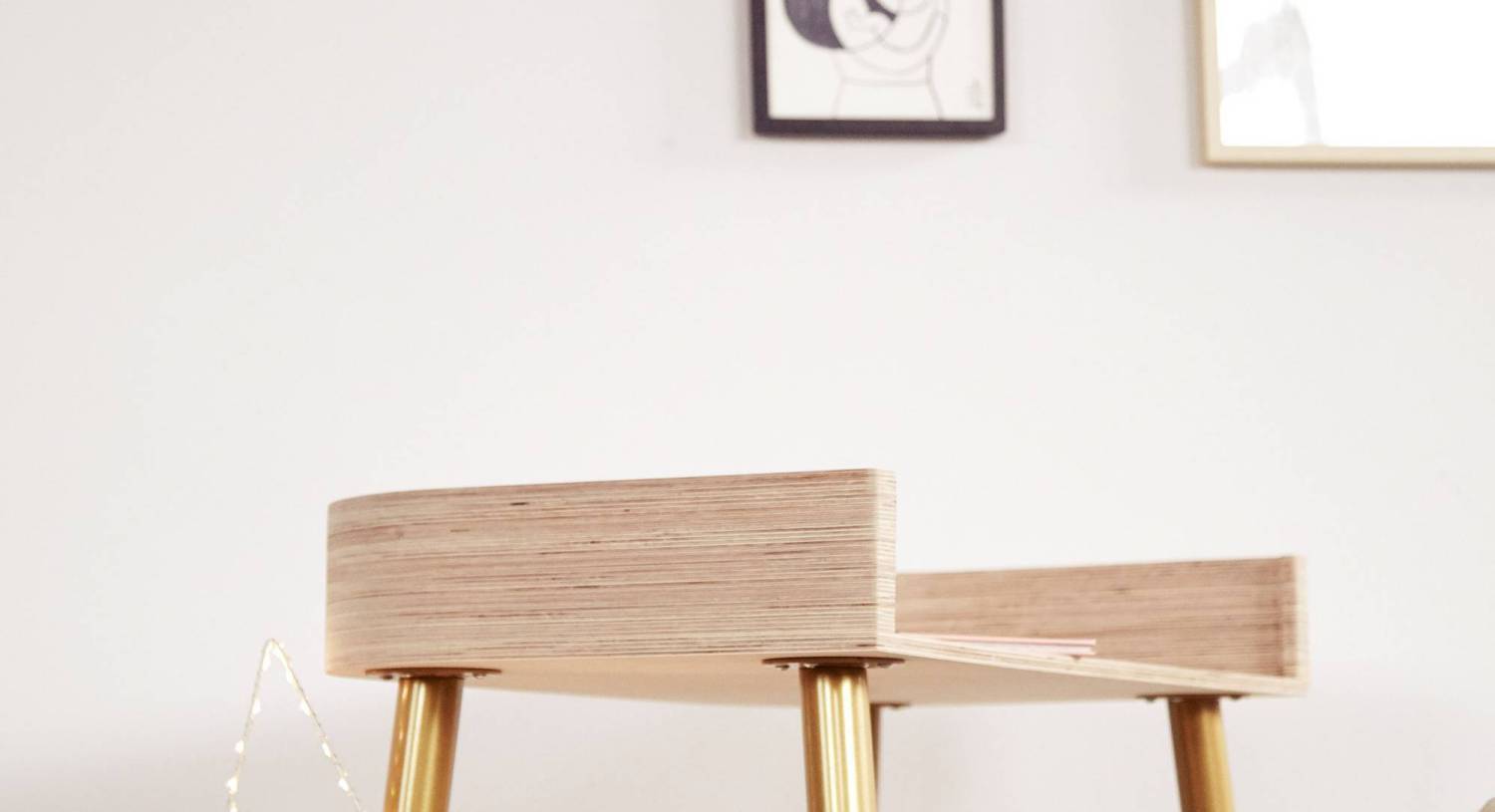
After 18 months in development, with support from the New Frontiers programme at LYIT in Letterkenny and the NCAD’s product research centre, the Hugg became Bababou’s first product. With clean lines and a simple aesthetic, it can be used as a standalone crib or co-sleeper secured to the bed, with the straps provided, before being repurposed as a children’s desk or playroom bench.
“As a mum, I wanted to make a difference, so many nursery products have a single use, are very expensive and are typically made of plastic,” she says.

CONNECT WITH US TODAY



Be the first to know the latest news and updates














