Game Tech: Stories behind the decade’s most influential video games

From the 1970s to 2010, it’s fair to say that the gaming industry followed a steady trajectory of evolution.
There were single player games that focused on improved presentation and immersion, and there were online games that focused on massive multiplayer opportunities.
Broadly speaking, the changes were predictable.
Over the last decade, however, things have rapidly shifted, sometimes in directions we didn’t expect. Here are our top six most influential games of the last decade.
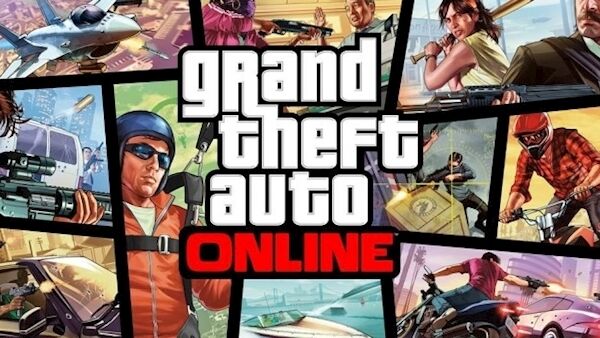
When Grand Theft Auto 5 released, it represented the pinnacle of gaming evolution at the time.
It wasn’t just incredibly immersive and cinematically impressive — it was also a racing game, adventure game, shooter, tennis and sports game and hiking simulator all in one. It was the natural result of gaming’s storied past.
What we didn’t expect was that Grand Theft Auto Online, the multiplayer portion of the game, would become gaming’s future.
It became so popular that developers Rockstar abandoned single-player content for the game and instead focused on making billions from the ‘live service’ online, with players spending real-world money on in-game items. Other developers soon followed suit.
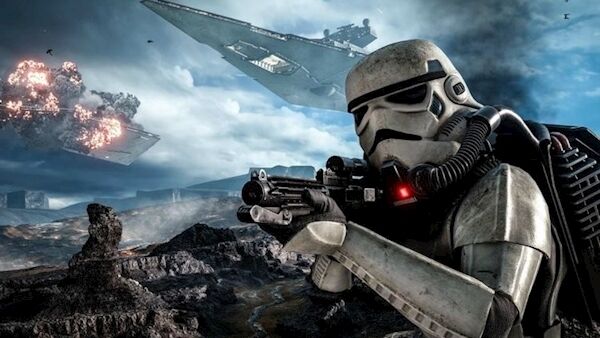
The game that started a revolution. Battlefront released with ‘loot boxes’ built into the gameplay, meaning players were not guaranteed characters like Luke Skywalker and Darth Vader from the game they paid full price for — instead the game encouraged players to buy gambling-style loot boxes to unlock characters.
The time needed to unlock characters through normal gameplay was so excessive (calculated at 20 hours per character by one gamer) and the loot boxes so prominent that the people rose up against EA in protest, leading to governmental reviews of gambling in the industry.
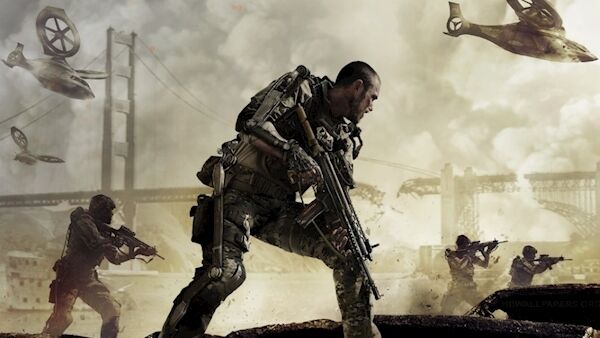
This one is cheating a little, because we’re referring to the series and not a single game. But while Call of Duty is no longer the force it once was, there’s no denying the series was hugely influential in the early stages of the last decade, squeezing the big-budget market in such a way that other titles didn’t stand a chance.
If you speak to gamers hitting their 30s now, many will have spent countless hours in a Call of Duty multiplayer lobby, making it one of the most influential games in Ireland,certainly, but globally also.
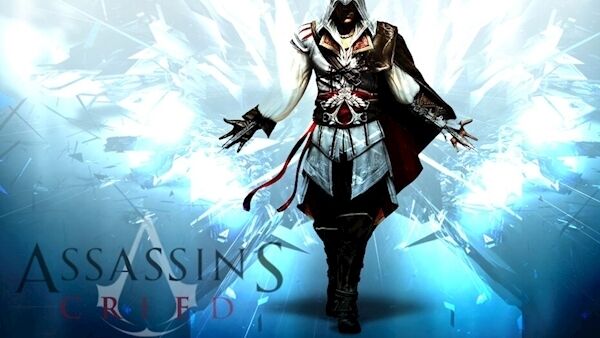
Another entry that’s cheating a little. This was released in November 2009, but we could just have easily picked the next game in the series, Brotherhood, which released in 2010.
Not because these games were particularly good, but because this series shaped single-player gaming as it grew in popularity.
The Ubisoft style of padding out open worlds with checkpoints and ‘busy work’, from objectives like climbing highest peaks to collection dozens of useless items, to clearing endless guard posts, became the status quo for big budget open world titles everywhere.
This bloated open world template defined the 2010s.
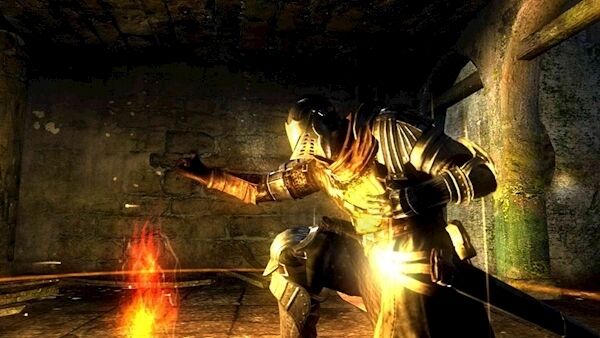
However, there was an opposing force, representing a more refined approach.
The hardcore approach of Dark Souls, where enemies could kill you with one hit and there was nothing to do but die and learn and repeat, seemed completely out of place in an era of mindless hand-holding — but gamers loved it. Dark Souls single-handedly reinvigorated the market for brutally difficult games.
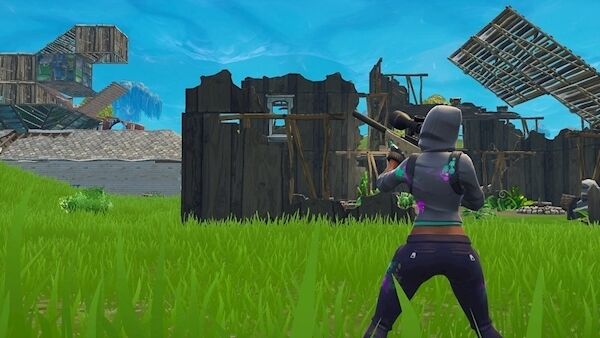
Well, you knew this was coming. What more is there to say about Fortnite? Footballers have danced the dances; children have spent the euros; parents have cursed and thanked it. Fortnite isn’t a special game itself, but it’s a cultural phenomenon and a sign of where children’s entertainment is going.
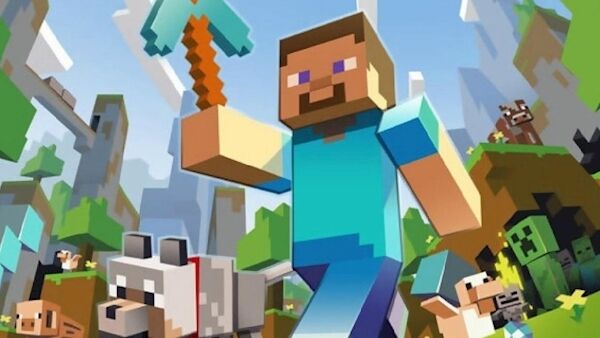
Our choice for the single most influential game of the last ten years is Minecraft. In 2013, this writer was teaching English in Laos, south-east Asia’s poorest country.
The school children there had never heard of The Beatles or Elvis and didn’t speak much English — but they were all playing Minecraft.
The beautiful thing about Minecraft is how it relies on imagination, cooperation, creativity and community.
There are rules and objectives, but Minecraft started as a tool, like Lego, for children to create together.
When you consider that Minecraft is still going strong now, almost a decade since it was released — and when you consider its influence on children worldwide — it’s hard not to argue for its importance.
CONNECT WITH US TODAY



Be the first to know the latest news and updates

















