Natural health: My six-year-old daughter has eczema; I've developed golfer's elbow
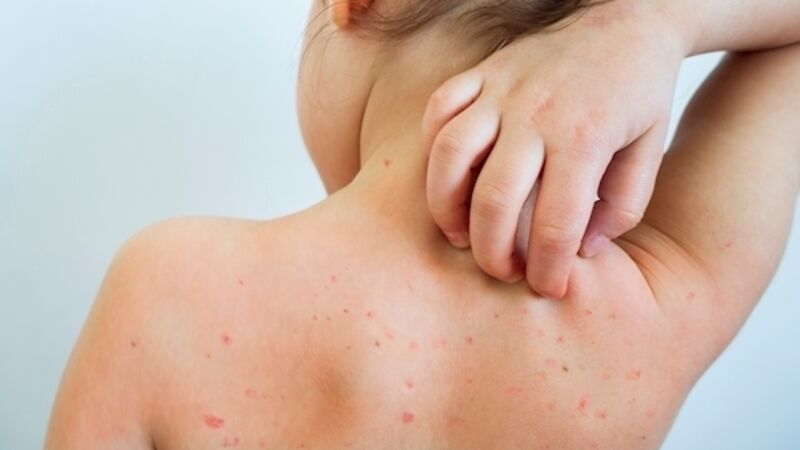
This sounds like seasonal eczema, which tends to appear in the warmer months. A high-quality natural sunscreen is really important to reduce the incidence of eczema at this time of the year.
Lavera’s sun care range includes sun-sensitive spray which is suitable for little ones who suffer from skin sensitivities and provides a waterproof sun protection factor (SPF) of 30. The spray is formulated with evening primrose and liquorice extracts to calm and soothe the skin. The Sun Sensitive range also includes an SPF 50 cream for fairer skins.
A poultice or ointment made using chickweed is a simple home method of providing relief for eczema sufferers. Chickweed (Stellaria media), pictured, is a delicate little spreading plant with small soft leaves and tiny white star-shaped flowers that can be found almost everywhere from spring through autumn. It can also be used for burns, bites, and rashes.
Reap the benefits of this simple and effective herb by using it in salads and making herbal teas with the dried or fresh herb. It can even be used in the bath to relieve discomfort and help purify the system through the pores.
Dairy, sugar, and grains are all common foods that can exacerbate skin conditions and allergic responses. If you feel that these may be triggering your daughter’s eczema you could have her tested for sensitivities, intolerances, and allergies.

This is one of those conditions, much like tennis elbow, that you can develop without needing to actually participate in the sport. Inflammation is a common symptom, and it is typically triggered by a repetitive movement or strain.
While tennis elbow causes problems with the outer elbow region, golfer’s elbow, also known as medial epicondylitis, causes pain, numbness, and inflammation with the inner elbow and forearm area. The most painful point is usually where the tendon is connected to the inner elbow, however, the problem typically begins in the wrist or fingers as a result of repetitive stress involving clenching or twisting movements of one or both hands.
As a result of menopausal changes, muscle size and strength does decrease, while tissues lose elasticity and integrity. This increases your chance of injury and strain and contributes to joint pain and stiffness.
Caffeine inhibits our natural endorphin response and promotes further inflammation. Other key inflammatory triggers include processed and refined foods, deep-fried foods, sugar, and alcohol. Make sure
that
your diet is rich in essential fatty acids, and anti-inflammatory foods and spices. Turmeric and ginger, in particular, will help to reduce inflammation and provide effective natural pain relief.
Cayenne pepper is another great addition to your food if you don’t mind hot spices, but is even more effective when you use it topically in the form of a heat rub or balm.
As far as supplements go, bromelain and Boswellia serrata are wonderful in helping to target pain that occurs where the muscles connect to the joints. Bromelain reduces inflammation by breaking down fibrin, the substance responsible for localised swelling. Boswellia has been shown in clinical studies to perform as well as ibuprofen for pain relief and inflammation. It works by opening blood vessels to relieve constriction, alleviating joint pain and localised swelling.
I’m glad to hear
that
you are finding the physio useful. The exercises will help to stimulate blood flow and repair to the area. You might also like to seek out an acupuncturist for additional help in managing pain relief and increasing your range of movement.