It's never too late: Programme helps adults with literacy and numeracy problems
People from all walks of life are seeking help for issues with literacy and numeracy, writes
WHILE literacy problems affect people of all ages and backgrounds, often it isn’t until people are older that they are forced to confront the problem. As part of its ‘Take the First Step’ initiative which is running throughout September, the National Adult Literacy Agency (NALA) is trying to raise awareness of the number of people with literacy difficulties in Ireland and the services available to them.
It is estimated one in six people struggle with literacy and numeracy skills and while there are people who are not able to write their own name within that cohort, many more have low literacy skills, meaning they can read to some extent but find it hard to understand official forms and instructions. Others will have left school confident about their numeracy and reading skills but find that changes in their workplace and everyday life render these skills inadequate.
According to Inez Bailey, CEO of NALA, because literacy issues are invariably linked to a bad experience at school, people have no desire to return to any form of education once they leave.
“People don’t do well in school for whatever reason and when they get out they never want to put a foot back in it. Usually what happens is that there is a critical incident in someone’s life and the biggest one that occurs for older people is the death of a partner or the development of a significant chronic illness,” she says.
While a lot of people can struggle to absorb information around a medical condition, thosewith literacy difficulties face additional obstacles.
“People with literacy and numeracy difficulties will often be really challenged by the learning required to get on top of a chronic condition like diabetes. For example, a GP gives you the information and says ‘do you understand that?’ and you just automatically say yes. That is what we all do. Then you come outside and you say, ‘I don’t think I understood half of that’. We do a specific programme with healthcare practitioners using the teachback method which puts the onus for clear understanding back on the practitioner/GP. They say to the person ‘now tell me what you understand you have to do’ and so the practitioner is taking responsibility for how well the information is communicated.”
There are 60,000 adults involved in educational training board (ETB) literacy programmes all over Ireland and Bailey is keen to reassure people that the learning environment is completely different to school.
“You don’t go back and do the ABCs you learned in school. You use real-life material to help people develop their skills. Often people will say they just want to get better at filling out forms. They might start practising just that. Or, for example, we have one woman working with us and she just wanted to do percentages because they had become important in her job.”
Bailey says that once people get a taste for the learning experience, they invariably want to continue the journey.
“I don’t think I ever met someone who regretted it. I think they regretted not doing it sooner. That tends to be a common theme, with women especially because they have been raising families. We have a lot of women who come back to develop their literacy skills because they are minding their grandchildren and they want to be able to help them do their homework.”
Bailey wants people with literacy and numeracy difficulties, at whatever level that may be, to know there is help out there.
“These courses are designed for local people in the community, for people who are well-educated and people who haven’t had a huge amount of education and who’ve got more life experience. You bring that life experience with you. You don’t go in as someone who is not as good as anyone else. You just go in with someone who has just had a different set of experiences and they are respected.”
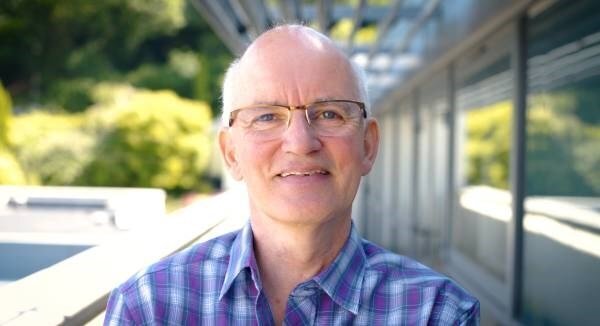
Michael Duffy, 64, is from Killeshandra, Co Cavan, and began using NALA’s services when he got a laptop for the first time and decided to enrol in a course on how to use it. However, he soon realised that he needed some additional help.
“I thought I could go in and just sit there and push the buttons — I didn’t realise it was an accredited course and you had to do a portfolio. That is when I ran into problems. I mentioned to the tutor that, while I was kind of okay with the writing, I was pretty poor at spelling.”
The tutor organised one-to-one tuition for Michael in Cavan town. “My mind was going back to when I was a kid at school which wasn’t a nice time but it was completely different. The tutor welcomed me in and we chatted away. For over six months, I did one day a week for four hours a day. Bit by bit I progressed and then I went into a group environment, doing level three communications. I felt a great buzz when I got that certificate — when it was presented to me, it was like getting a royal decree.”
Since then, Michael, who is retired from his job in furniture manufacturing, hasn’t stopped. “I got the hunger for learning. I did a number of computer courses, in internet skills, word processing, spreadsheets, level threes and level fours. Then I progressed on to another level four course in communications. Now I’m going to go back and do a level four in maths.”
CONNECT WITH US TODAY



Be the first to know the latest news and updates









