Game Tech: Thor blimey, God of War hits the spot
There's something sad about old games. They are often forgotten. Left behind, writes .
Unlike classic cinema, books or music, vintage games are quickly made obsolete. Why play the original Zelda when you can play Breath of the Wild? Why play the first FIFA when, to modern eyes, it resembles drunken Sunday league football?
Video games move on. Be thankful that they do — because that’s why we have God of War (2018), one of this generation’s best games.
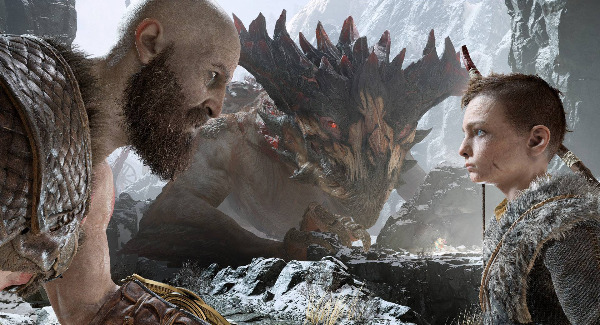
The new God of War is a masterpiece. It completely reinvents the series, by building on the past instead of forgetting it. Kratos is now a father again, living with his son Atreus in Scandinavia. He is older, slightly less angry, hiding away from his past life as the God of War. But his heritage is about to catch up with him.
The game begins with Kratos burning the body of his wife, Atreus’ mother, and then setting off on a journey to spread her ashes on the highest peak in the lands.
At first, you think Atreus will be a hindrance to the journey and a foil for Kratos. Judging by previous God of War games, it seems likely the boy will be killed, giving Kratos an excuse to exact revenge, like in previous games.
Instead, God of War becomes an exceptional tale of growth between father and son, the bridging point between an old man with a violent past and a young boy with an open heart, between two different types of mourning. It does this against the backdrop of the Norse gods and myth, some of the most imaginative and breath-taking environments we’ve seen in years.
God of War is structured like a perfect western film, but set in a land where elves, dragons, dwarves and gods replace the Wild West. As the plot unfolds and the world just gets bigger and bigger, the sense of intimacy and purpose only heightens.
Kratos and Atreus remain the focus throughout. This is a game shot in ‘one, long take’, meaning the camera never cuts to cinematics, never drops to a loading screen (unless you die) and never leaves its position from behind the shoulder of Kratos for the entire journey.
It’s a highly sensory game framed in a world of almost boundless imagination. The impression of exploring a mysterious new land is almost unparalleled.
That doesn’t mean the action suffers. God of War is an incredible action game, right at home with its predecessors and the best the genre has to offer. This is one of those rare games where fighting is consistently fun, because the enemies stay fresh and exciting without overly taxing your abilities.
Halo was famously designed for '15 minutes of recycled fun' and God of War feels very close to that design, honing its craft to perfection.
Kratos didn’t just learn from Master Chief. God of War also has links to Skyrim, in elements of its open world and loot system; to Uncharted, in the way climbing and storytelling is handled, and to the best elements of modern adventure games, with worthwhile sidequests and secrets to enjoy.
It took five years to make God of War. From afar, the changes made to the series looked harsh and forced. However, the result is a perfect example of how gaming continues to grow and evolve, building on its past to get better and better.
Some old games are forgotten, never to be played again. In ten years, people will still be talking about God of War.
Music and Games
If you want an example of how gaming continues to evolve, then look no further than music. Like film, the first games had no sound at all, before progressing to beeps, then on to synthetic instruments, to the fully orchestral (often interactive) music we have today.
If you want to learn more about that journey, BBC Radio 3’s The Listening Service are doing a feature on video game music this Sunday, April 29th.
Tom Service will go on “an interactive odyssey to discover the secrets behind our favourite video game music”. He’ll speak with composer Jessica Curry and an expert will explain “what’s really happening in music when we’re playing”.
Sounds like another journey worth taking!














