Ageing with attitude: Get back on your feet when life lays you low
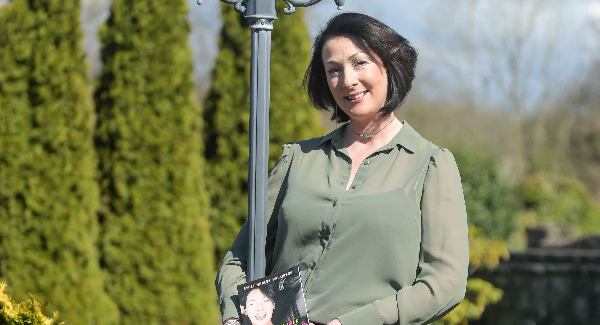
meets a woman who has overcome more than her fair share of life’s obstacles but who has emerged the other side with a rebuilt life
AS we get older, lost youth, lost opportunities, changing appearance, and health challenges can trigger regrets, low self-esteem and anxiety about where we are heading, causing our mojo to disappear.
That’s the view of Corkwoman Emily Hurley-Wilkinson, an accredited personal coach who has had to nurture her own mojo during the many challenges she has faced, as well as that of her clients.
The 50-year-old who has written a book on the theme, says losing our mojo can often show up as apathy where we feel less excited or interested in life. However, in researching the topic she found that people who have resilience, share core traits in common, which lead to her creating a system called PAUSE (which is an acronym of those five strengths of character) as a ‘tool’ that anyone can use during emotionally fragile times.
“I went through menopause before turning 50 and that transition continues to be challenging. Between hot flushes, moodiness and disrupted sleep, it certainly can make you feel like crawling under the duvet and succumb to a pit of doom and gloom,” she tells Feelgood.
“Using the PAUSE process described in my book has truly helped anchor me during the times that I felt like tearing my hair out and wailing in self-pity,” she says.
The mother of two teenage boys has had to bounce back numerous times in life.
“During my early 20s, I was diagnosed with polycystic ovarian syndrome which knocked me for six at the time, as I was told this condition would most likely mean I would be unable to have children and that it would increase my chances of developing a variety of health problems later in life,” she says. “It also impacted significantly on my confidence and self-esteem as I fought to manage the physical and emotional symptoms that arose from this condition.
“Eventually, when I was to find my then partner of several years in bed with another woman, it floored me – but, it also represented a key turning point for me – I realised that ultimately nothing in life is certain and the one certainty that I did have, was to ‘back myself’.”
The challenges continued: “Then in 2001 when my husband and I relocated back home from abroad, we lost his father through suicide and my own father in 2016 from an aggressive dementia. We have had the disruption of moving home 11 times, I have had several health scares resulting in biopsies and lumpectomies and we have been forced to take legal action to resolve our structurally damaged home.”
Amid all that, she found her mojo to write her recently published book and to preach what she practices. “A useful question I find myself asking clients, and myself, is this: ‘If not now, then when?’ It brings clarity and allows us to identify our excuses from real obstacles. We should all shake up our lives every so often especially as we get older if we have become stagnant from habits and repetition.
Here is a synopsis of PAUSE:
Our experience of life is shaped by the perspective we view it from, either positive or negative. Positivity is more than just a word it’s the way we approach life that has the power to significantly alter our experience of it. The book discusses the impact that our posture can have along with the importance of cultivating an attitude of gratitude.
We often create more stress and anxiety for ourselves when we refuse to accept who we are ‘as we are’ or when we fight against circumstances that we don’t like. By being ‘acceptance-aware’ we free ourselves to turn our attention and energy to living more in the now while embracing change.
Often in our later years, we fall into a ‘compare and despair’ mindset, where we give up and expect less of ourselves. When we develop a ‘can do’ spirit — we become open to achievement. Goals are a good way to get the ‘I can’ juices flowing as they challenge us to stretch ourselves and keep us moving forwards.
When our mojo is running low, we can neglect and mistreat ourselves. A significant part of ageing well, is in our ability to ensure our life is balanced and that we implement a regular self-care practice. In the book readers can do a detailed ‘life audit’ which shines the light on possible areas of neglect and how to best to make
appropriate changes.
The ability to form healthy relationships is crucial to our happiness and wellbeing and being able to empathise is extremely important for not only maintaining positive relationships with others but for being more compassionate with ourselves.

CONNECT WITH US TODAY



Be the first to know the latest news and updates

















