Kilburn Irish dancehall still offering an outlet for many emigrants
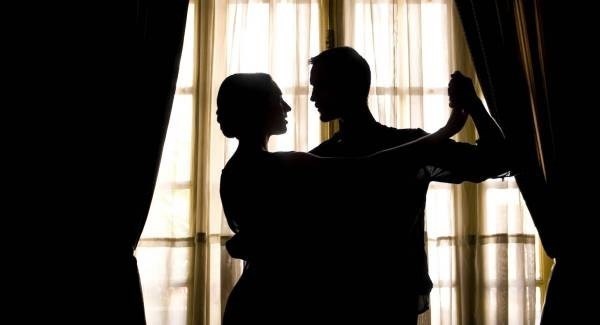
The heyday of London’s Irish dancehalls may be long gone, but a weekly gathering in Kilburn still provides an outlet for many emigrants, writes .
ON CERTAIN London nights, the names of the old dance halls still trip freely from the tongue.
The Buffalo in Camden Town, the Forum in Kentish Town, the Gresham on the Holloway Road.
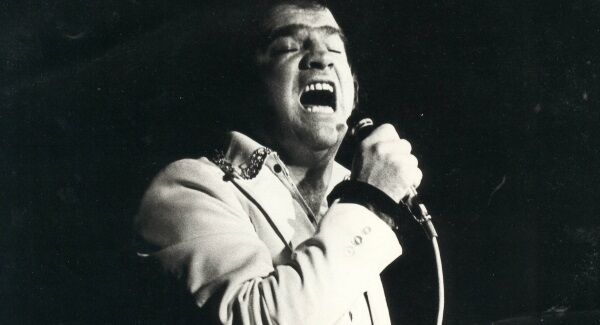
To know them was to live through the nights when Joe Dolan and Big Tom blew new life force through the doors of those venues and made those inside feel forever young.
But peek behind the creaking door of the Mazenod Social Club just off Quex Road in Kilburn any Monday night and you’ll glimpse a step that has yet to slow.
And despite the passing of the years these old dancehalls speckle the conversation, between reverse turns, outside spins and neat flings.
“While we are all still alive there will be dancing in London,” declared Eileen from Kilkenny.
“We used to go dancing every night of the week. And we’d still be up for work the next day!”
The dancehall scene that once backboned London for generations of emigrants has been in fast retreat since the best-known venue of them all, the Galtymore, powered down its speakers and closed its doors in 2008.
Tastes changed, regulars passed-on and less and less, small halls in the city hosted the kind of nights that reinvented the Irish experience in London in the 1950s.
“Local halls have closed down, parish halls have closed down,” said a priest who introduced himself as Father Michael from Limerick.
“This is the remnants now of Irish people who used to go to the Galtymore; people who love dancing, get dressed up and come out and enjoy themselves.”
For some, the once vibrant chapter in Irish social history in London looked like it had finally completed the end of its long arc when performer Seamus Moore. aka the JCB man, closed one of the last remaining Irish dance hall events in the Conway Tree in Burnt Oak, northwest London.
But then an Offaly man, who insisted on being called by his stage name McGinty, started-up ‘The Ballroom of Romance’ here, off the Quex Road.
The name — a homage to Pat O’Connor’s famous 1982 film of the same title — captured the imagination of an older circle of emigrants.
It may be stay of execution for what’s been a way of life abroad. But for those attending the appetite for one more dance remains insatiable.
“I’ve been coming here every Monday night for the last year-and-a-half,” continued Eileen from Kilkenny. “And for some people now this is the only human contact they have all week.”
On this dark, cold and quiet night in Kilburn, floor space is at a premium behind the creaking door of a quiet bar, pumping out RTÉ’s Nine O’Clock news to a handful of punters drinking quietly, while amplifiers vibrate gently in the adjoining hall.
In a city that hosts innumerable underground scenes, this is one with the feel of a cult following.
“I’ve a musician that plays with me and he’s 56,” said Billy ‘White’ McLaughlin originally from just outside Buncrana in Donegal.
He joked that he was the youngest person in the place. “They are all getting on and I’m 74 myself,” he said. “But these people they don’t look their age because they love getting out and dancing.”

McLaughlin came to London in 1961 to work in a bar and his band, Billy and the Northwinds, still play in the city.
“When Seamus Moore sold his place, thank God, McGinty found this place in Kilburn,” he said. “I remember when I was 16, my governor was taking over another pub and I said ‘I’m not looking after your pub because I want to get out to the dances’.
“When I was working, I couldn’t get out because he barred the pub at night and I wouldn’t have been able to get back in!
“So I left the pub and started working on the buildings and we started going to the Buffalo in Camden Town. The Buffalo would have been open three nights a week then!” Often, London’s storied dancehall scene can feel like a thing of nostalgia. A series of name checks and wistful memories of the big nights in Camden and Kentish Town, but the Ballroom of Romance remains a living expression of an Irish scene raging quietly down this city back alley.
“I guess it is dying,” admitted Peter Murray from Armagh. “When I came here first there was something on every night. But even on a bad night, you’d get a hundred here and it’s nice to talk to people and find out what part of Ireland they are from. Every county is well represented here.”
“McGinty calls it ‘The Ballroom of Romance’,” he continued. “Whether it is or not, I don’t know but it’s great to meet people.”
Resplendent in a black polo top and waistcoat and sporting a neatly trimmed grey beard, McGinty — who’s real name is Michael Troy from Kilcormack in Co Offaly — explained he’s been running this regular Monday ballroom dance event for a year-and-a-half.

“They call me McGinty because I was always singing ‘Paddy McGinty’s Goat’ he laughed. “And I was going to call this place ‘The Little Galty’ after the Galtymore. But then the name ‘The Ballroom of Romance’ just came into my head and it’s taken off.
“I’ll tell you it’s amazing the couples that I have met.
“I could show you half a dozen couples that met in the‘Ballroom of Romance. Older people, people who are widowed or divorced, people who thought they might have been left on the shelf. The place has given them a new lease of life.
“There hasn’t been a marriage yet,” he smiled. “But I’ll let you know if it happens to me. I don’t know what’s behind the success? They like me and I like them and I love doing it. I’ve been in music since I came in 1966 to Weybridge in Surrey.
“We’ve acts like TR Dallas here and I’ve already people asking me about nights next year. Older Irish people who are single, they don’t want to be sat in on their own.”
Aside from the humour, McGinty and many of the older emigrants say the regular Monday slot has become something of an antidote for the problem of social isolation. And Irish outreach services in the city says it’s a problem striking ever deeper into the aging Irish community.
“For some people this would be there only social contact over the week,” said Eileen from Kilkenny. While Mary Dympna Compton, originally from Scotstown in Monaghan, travels all the way from Luton every week. “I just come for the socialising and if I’m lucky enough, someone will ask me up to dance,” she smiled.
CONNECT WITH US TODAY



Be the first to know the latest news and updates