The dolls challenging social injustice
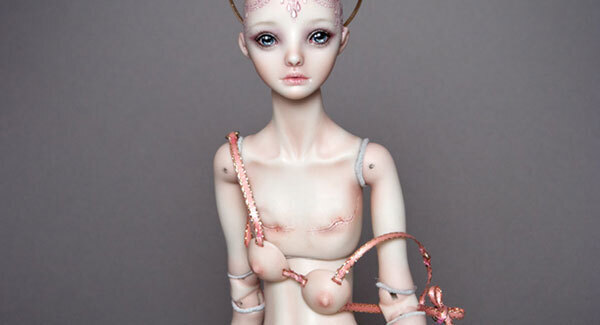
These dolls explore themes of social injustice.

The dolls challenging social injustice

These dolls explore themes of social injustice. Juxtaposing the ugly realities of life with the art-form of doll making has proven to be an effective way of communicating for one artist.

Marina Bychkova is a Vancouver artist who has, what she describes as, a “pathological need” to make dolls. Her website ‘Enchanted Doll’ can be found here.
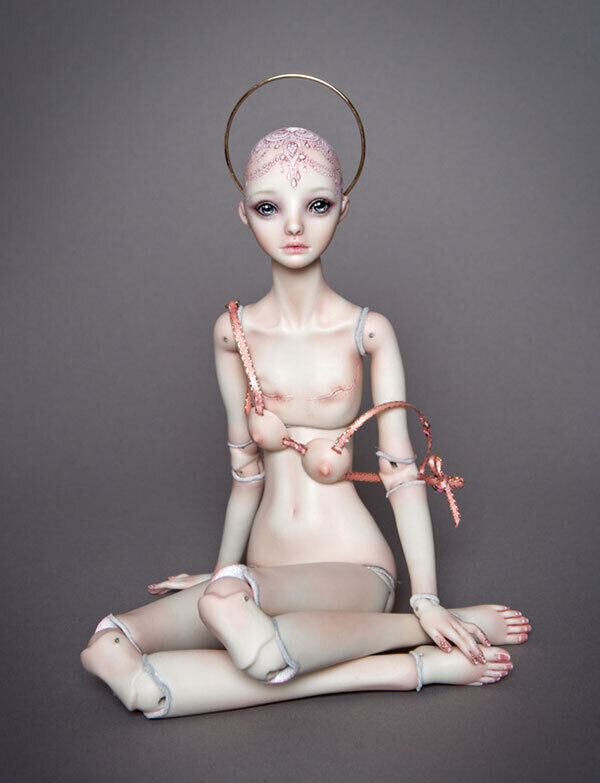
This is a porcelain tribute to breast cancer fighters, and the choices they face.

Bychkova said she enjoys doll-making so much because it’s a challenge of combining different mediums to make one cohesive piece.

She does not believe in the asexual doll. Though most commercial dolls have been cleansed of their sexuality, Bychkova thinks this is extremely wrong because it creates shame for girls.
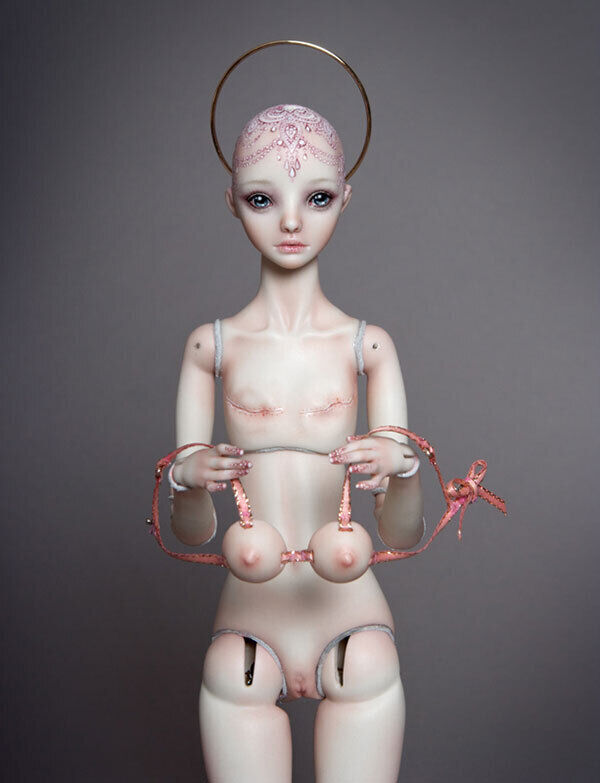
The artist's caption on this image reads: I can only hope to be as brave as those who have had to face it.

She wants people to view her dolls, that have fully developed sexual organs, and think about why we are so disturbed by this.

“The dimension of the naked doll really intrigues me.”
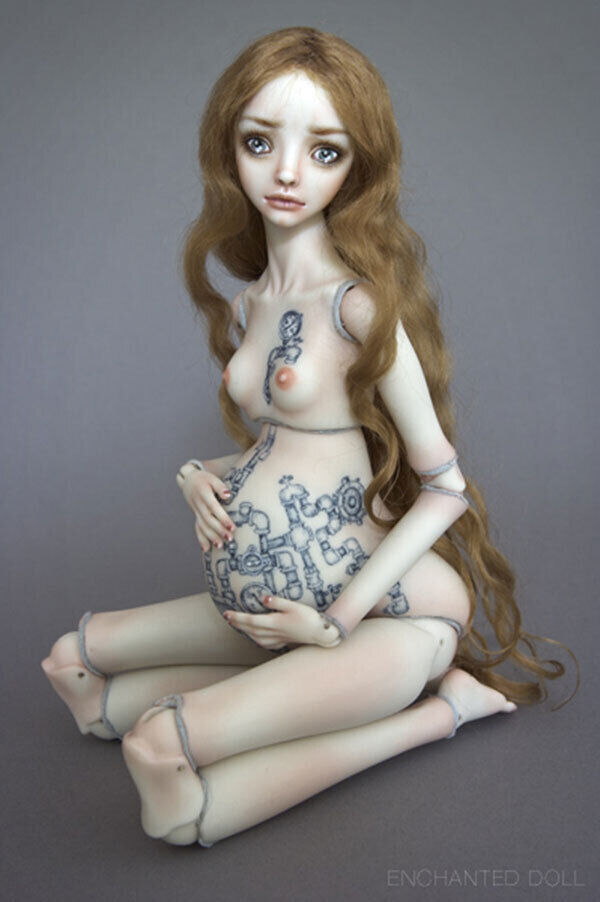
The artist poses the question: "Who has more legal rights in the eyes of the state, an adult woman or her unborn foetus? In a conflict of interest between a mother and her child, whose rights does the state protect, and at whose expense?"

Drawing from fairytales, folklore, literature and world cultures, these delicate figures confront difficult topics that transcend the innocence normally associated with dolls.

Domestic abuse, breast cancer, women’s rights - each figure conveys an aspect of humanity.
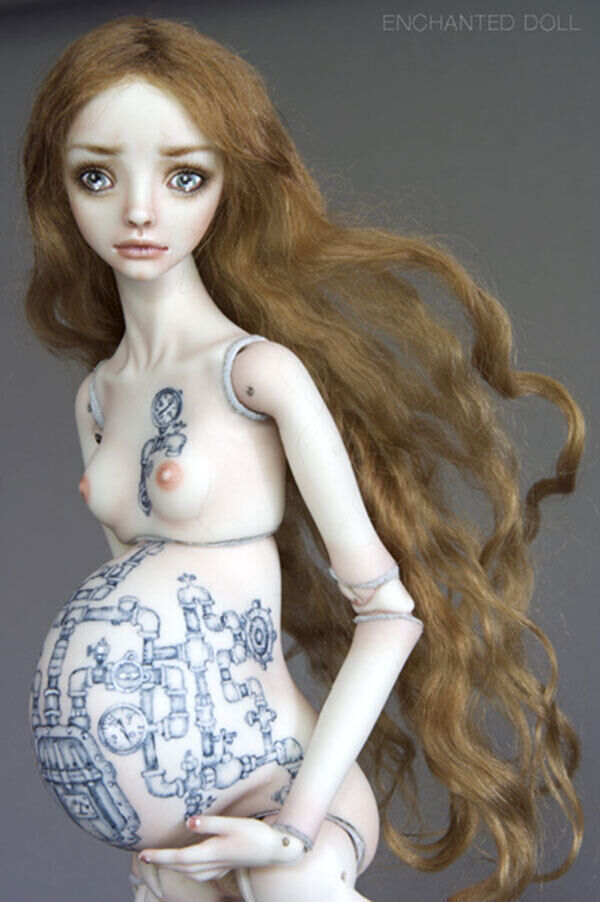
the artists says: "If the state protects an unborn foetus at the expense of a woman, then in a sense her body is public property used in the involuntary service to provide the state with future taxpayers."

More in this section

Cookie Policy Privacy Policy Brand Safety FAQ Help Contact Us Terms and Conditions

© Examiner Echo Group Limited













