Itching to take control of winter eczema flare-ups
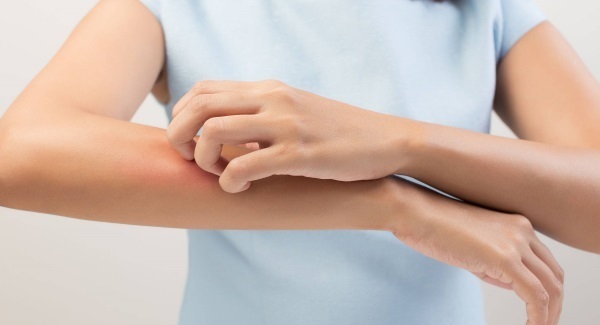
Winter weather can be tricky for skin full stop —and for people prone to eczema, the cold conditions can be especially troublesome.
This irritating skin condition causes dry, rough and inflamed patches, which can crop up all over your body.
And with cooler temperatures outdoors, plus central heating and all that added festive stress — all of which can act as triggers — party season can be a prime time for eczema flare-ups.
Thankfully, there are a few things you can do to help combat the winter-induced itch.
Here’s what the experts suggest...
Get a good night’s sleep
There are few things more irritating than a night-time itch, and many people with eczema find the urge to start scratching is heightened when they’re trying to get to sleep.
In the daytime, we’re busy and distracted, so ‘itch signals’ aren’t as strong - but at night, our minds are left free to dwell on the impulse.
So what can you do?
Staying breezy is a good start. “Try keeping the bedroom window open at night and keep the central heating down to minimum when it’s required,” advises Lloyds Pharmacy pharmacist, Anshu Bhimbat.
Bedding is also key. “A light duvet will also be better option than a thicker tog, which could cause you to sweat, leading to further irritation,” Anshu says, adding that cotton tends to irritate skin less than other mixed fabrics.
Watch ‘trigger’ foods
During the festive period, with so much socialising and feasting on the table, it’s easy to let our usual diets go out of the window — but it’s important to bear in mind whether you might be munching on any ‘trigger’ foods that tend to cause flare-ups.
“A food allergy or intolerance can cause eczema symptoms in some people,” warns Anshu, who suggests keeping a food diary, so you can work out if certain elements of your diet could be linked to your eczema.
“If you’ve noticed flare-ups with certain foods, it could be an indicator that it’s causing breakouts — but it’s best to see a dermatologist for advice before cutting anything specific out of your diet.”
Use a soap substitute
When you’re dealing with eczema, it’s really important to consider the bathing and cleansing products you’re using, as some of them could make symptoms worse.
“Some people with dry skin or eczema may find their skin is easily irritated by harsh and strong ingredients in soaps,” says dermatologist Dr Anthony Bewley.
“Avoid foaming soap agents and instead try a substitute such as Cetraben Daily Cleansing Cream, which can be less drying on the skin.”
Keep an eye on water temperature, too. Showering in lukewarm water, rather than steaming hot, can help avoid scalding the sores. And don’t scrub your skin too hard while washing, as this can irritate it further.
Regularly apply emollient
Moisturising with a suitable emollient — creams and ointments that moisturise the skin — will prevent scaly patches from drying out further, and help reduce flaking during party season.
Dr Organic Manuka Honey Rescue Cream nourishes and restores, and will help leave skin feeling intensely moisturised.
“Emollients are particularly effective when applied straight after a shower, to help protect the skin barrier function,” advises Dr Bewley.
Reduce dust exposure
It’s natural to want to hibernate a little and keep warm and cosy indoors at this time of year, but this might mean greater exposure to dust mites, a common trigger for people with allergies and skin conditions.
“House dust mites are present in everyone’s homes, but they can really irritate dry skin and eczema,” says Dr Bewley.
“If you can vacuum and dust your home two to three times per week. Wherever possible, wash clothes on a hot temperature (above 60C) to kill the dust mites. You could also try an anti-allergy mattress cover and pillow protectors.”
Manage weather changes
Preparing wisely for the unpredictable weather can help minimise the effects on your skin. “Eczema reacts badly to rapid changes in temperature, as well as extreme hot or cold temperatures,” says Anshu. “High humidity, for example, can lead to symptoms similar to prickly heat, while low humidity may dry the skin out. Things like central heating can also often be a trigger.”
She says the best thing you can do is make sure your home is comfortable by controlling the heating — keep it low and wear light cotton sleepwear/loungewear. If you’re heading out into the cold, make sure you wrap up well to keep affected areas out of the wind.
CONNECT WITH US TODAY



Be the first to know the latest news and updates

















