Book review: Let the Dead Speak
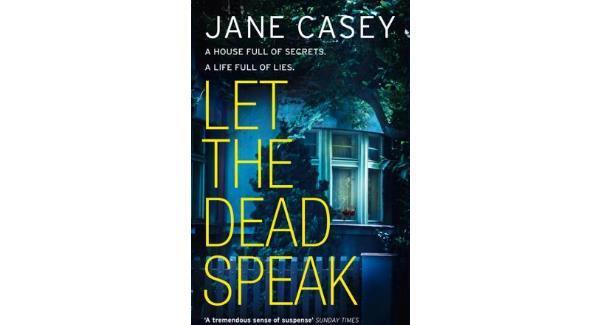
But her latest case is a baptism of fire. When Chloe Emery, an unusually naĂŻve 18-year-old, returns home from a weekend away to discover a bloodbath in the family home, all the signs point to the frenzied murder of Chloeâs mother, Kate â except there is no body.
This is a variation on the classic locked-room mystery, a police procedural into which Casey â previously a winner of the âIrish Crime Novel of the Yearâ â blends religious fanaticism and sexism. As Maeve and her colleagues interview Kate Emeryâs neighbours, among them Gareth Selhurst, a preacher in the Church of the Modern Apostles, she uncovers horrors behind the most respectable of middle-class suburban facades. âYes, I do,â says Maeve, without hesitation, when Selhurst asks if she believes in evil, as Casey unapologetically etches the classic battle-lines of crime fiction into her plot.
That unequivocal reply, as she faces down the ranting, patriarchal Selhurst, confirms what the reader will likely know: promotion is good for a woman. Maeve Kerrigan is noticeably more confident than the reticent character plagued by self-doubt we encountered in earlier novels, a woman who was, in public, as hardboiled and pithy as any of her colleagues (chief among them her irascible partner, Josh Derwent), but who revealed her insecurities in asides to the reader. Her new position might make the private Maeve feel a little giddy (âOne step up the ladder and the view was giving me vertigo.â), but her private and public selves are much more in synch, perhaps because Maeve, finally, has allowed herself to believe that she deserves her new responsibilities.
Not that Maeve is likely to get carried away with Pollyanna ideals about good triumphing over evil. Her unhesitating acknowledgement that evil exists isnât rooted in any theological argument, but in the bitter experience of policing Londonâs streets, where even in the plusher suburbs a woman such as Kate Emery isnât safe from the savage (male) predators who hide in plain sight among her apparently law-abiding neighbours. When Derwent tells her that she wants to make everything right, that she wants to believe in happy endings, Maeve retorts that thereâs no such thing, that âThereâs just life.â
Itâs an answer that might be construed as cynical or pragmatic, particularly in a genre that delivers the ideal of justice as a substitute for a happy-ever-after. Itâs a theme Casey develops as Kerriganâs investigation does, and the focus moves from the discovery of Emeryâs killer to the protecting of Chloe. The 18-year-old â technically an adult, but mentally and emotionally much younger â has become prey for the neighbourhoodâs predators, because, as Maeve tells Derwent, âno-one ever taught Chloe the rules [âŠ] That your body is public property, if youâre young and female. That men will take advantage of you, if they can.â The Maeve Kerrigan novels have always had a feminist subtext; here, in tandem with Maeveâs promotion, that subtext is to the fore, as Maeve uses her new powers to go to war on Chloeâs behalf.
The result is a complex tale and a superior police procedural. Kerrigan remains one of the most likeably self-deprecating detectives on contemporary crime fictionâs beat, and Let the Dead Speak, which fairly crackles with the sublimated sexual tension between Maeve and Josh, is the most polished of the Maeve Kerrigan series to date.















