Book review: Reservoir 13
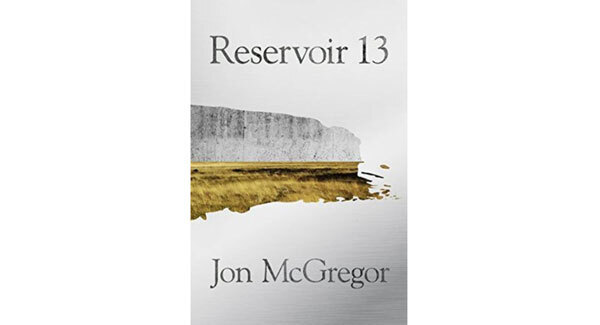
JON MCGREGOR was just 26 when he published his first novel back in 2002. When If Nobody Speaks of Remarkable Things was long-listed for the Man Booker Prize, he was delighted, if surprised.
But when two prizes â the Betty Trask and the Somerset Maugham followed, along with a raft of ecstatic reviews, he had some reservations.
âI didnât want to seem ungrateful, but a lot of it seemed unearned,â he says, as he sips on a cup of tea in a Dublin hotel.
âI thought, hang on, I know there are places where I have overwritten or over-sentimentalised. It was a feeling that I had got away with it.â
At around the same time, McGregor read John McGahernâs novel, That They May Face the Rising Sun â a book so different from his own, that it made him see writing in a whole new way.
âI read it, and I felt, so this is how you do it. This is how you tell people. Iâve been trying to write a book like that ever since I read it.â
Arguably, that is what he has now done. And that might explain why the author, whilst lacking in egregious ego, now carries himself with a quiet confidence. His latest â and fourth novel â Reservoir 13, tells the story of a Cumbrian village over 13 years.
It opens on the evening after a teenage girl, a holidaymaker, has disappeared, as the villagers join the police search, but whilst Rebecca, the missing girl is the focus, itâs the impact on the village in the aftermath that engages the author.
The book is categorically not a thriller. Itâs not a who or why done it.
âPeople expect, I guess itâs a crime fiction thing, that if someone goes missing there is going to be an answer. I donât buy that. I donât think there can be that kind of resolution in life.â
The action flits from character to character, never lingering too long on any of them, so that we learn of their lives gradually, in bite size pieces, a picture building up over the course of years. Itâs a brilliant technique.
Best of all, though, the author never spells things out. A phrase, or conversation shows the way someone is thinking or acting, so the novel requires careful reading. This total trust by the author, makes the reading especially rewarding.
âThatâs always in my mind, because I find it disappointing, with my reading, in having things explained to me. With this novel, in particular, I consciously held back. And not just from saying how somebody feels about something. I held back details of the story too, so I know a lot more about the characters than is in the book.
âI had great fun stringing out the storyline. I had in mind the way narrative works on Twitter â where you see streams of different peopleâs lives in weird juxtaposition. You can pick out narratives over 10 minutes, 10 days or 10 months.â
I adored this gradual unveiling, which allows for the rhythm of the seasons. Each chapter starts with the new year â showing the village as it moves on from grief.
Couples come together; they part; there are births, marriages, illnesses â and in many families financial strains, relationships problems and violence.
âI wanted a lot of principal characters â not just three or four, and I wanted to include the badgers, foxes and blackbirds â and wanted them all to be equal and have their own moment.â
Then there are the teenagers, who are, perhaps, the most affected. They knew the missing girl Rebecca, or Becca or Bex, better than theyâre prepared to let on â and her disappearance changes the dynamic of their group.
When they move on to college, they hate the way theyâre branded, the minute new friends learn where they are from.
Itâs written in a passive voice. Was that a risk?
âI stumbled into that passive voice because I wanted the village to feel gossipy and wanted the stories to feel as if they came from gossip, but I didnât want anyone to own that gossip.â
McGregor seems such a natural writer â clearly born to it, yet it wasnât his first choice of career. A great reader as a child, who read his way round the library shelves in his native Norfolk, he studied media production at Bradford University, with a notion of becoming a film-maker.
âI did quite a bit of photography and I tried to make short films, but I swiftly came to the conclusion that I hadnât sufficient technical skills to pursue either of those things.â
Increasingly frustrated, he turned his hand to writing, but in secret, never daring to show his work to anyone. When he had written a clutch of short-stories, he wanted to know if they were any good, so he accidentally on purpose left them lying around where a friend would see them.
âShe read them and said, âThese are great!â I didnât believe her, but she took them home, and showed them to a friend of hers who I had never met, and the friend wrote to me and said, âI think these are very goodâ. That was really validating.â
His second book followed the first onto the Man Booker long list, and his third, Only The Dogs, published in 2010, a gritty tale set amongst down and out drug takers in London earned him the Dublin IMPAC Award.
Did that affirmation, let alone the âŹ100,000 prize money change his life?
âItâs a fantastic prize. I love the setup of it. I had a couple of fun weeks in Ireland where there was a sales spike, but it didnât transform sales in the UK at all. It had no effect.
âI spent most of the money as we were moving house at the time, but I was very conscious that I had written a book about people with no money and in really fraught situations, and was given a cheque for 100 grand. It was a mismatch, so I didnât keep all the money.â
His next publication was a book of short stories. And it was a story that inspired the new novel.
âThe story started with a search, but in that, it was a five year old who was missing; I changed it into a teenager because it gave me more options.â
That was seven or eight years ago. Does he panic when a novel takes so long to pen? He laughs.
âIt always takes longer than I tell people it will take, and this one in particular. Life got in the way.â
He is a professor of creative writing at Nottingham University and has three young children.
Those of us who would like to learn more about the characters and goings on in Reservoir 13 are in for a treat. Because next up is a series of short stories written for BBC Radio 4.
âTheyâre a kind of prequel to the novel, and are all set in the same village. Theyâre going out in the Autumn.â
- Jon McGregor will appear at The West Cork Literary Festival in Bantry on July 20















