How to encourage kids to sow and grow their own fruit and veg
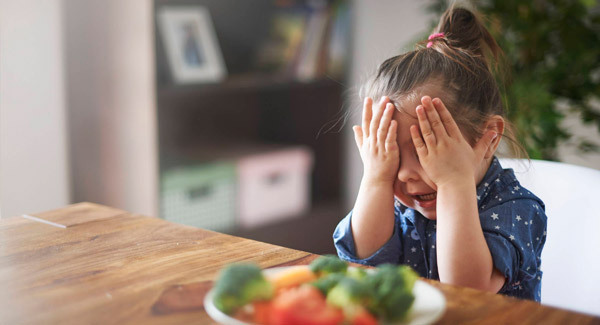
KEEPING children occupied, and getting them to eat fruit and vegetables, can be really tough for parents.
But there’s a simple way to successfully combine the two — by getting kids to plant seeds and grow and eat their own healthy produce.
“Teaching children ‘food empathy’ through sowing and growing means they’ll have a better understanding of food and where it comes from, and that familiarity makes them much more likely to want to eat the food they’ve grown,” says Michael Kelly, founder of the Grow It Yourself (GIY) movement.
“This will follow them right through their lives. By growing some of their own food, they develop a better understanding of how food works, which is a proven lever to a healthier, happier life.”
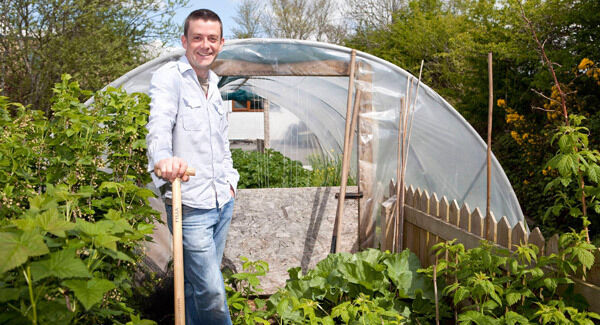
This year, the Sow & Grow campaign, run by GIY and Innocent drinks, will teach thousands of primary school children throughout Ireland how to grow their own food, by sending free growing kits, including seeds, compost, growing cups and more, to their schools.
But sowing and growing is important at home too, and Kelly is keen to share some advice on how parents can get children to grow, eat and enjoy fruit and veg. He suggests:
Grow it
All you need is some soil or potting compost, seeds and a paper cup to get started.
“Kids will get a great buzz from seeing a little seedling emerge from the soil and having a real plant to mind,” says Kelly.
“They’re more likely to try vegetables like spinach and peas when they’ve grown them themselves, and even the smallest food growing experiences have huge value in helping children to understand where their food comes from.”
Let them choose
Kids are far more curious about food than we give them credit for, so get them to create a shopping list.
Then, take your child to the supermarket and let them see, smell and feel the fruit and vegetables with you.
Variety is key
Immersing kids from a young age in trying lots of different foods will cultivate a diverse diet.
A child as young as two can help you to wash fruit and vegetables and in doing so, you can explore new colours and shapes together.
Challenge
Encourage children to develop new skills in the kitchen by asking them to make a simple salad.
They can tear up broccoli or lettuce for a salad, scrub potatoes and cut soft foods like strawberries and ripe tomatoes with a child-friendly knife.
Be creative
Work with your child to create food art — from watermelon flowers to animal-inspired snacks. Even the pickiest of eaters won’t be able to resist a plate full of colours.
Educate
Each week, teach your child about a new fruit or vegetable — maybe one they’ve picked themselves at the supermarket — and work on a new recipe together.
Texture v Taste
Have a raw and cooked vegetable option so your child can choose the one they like best. Some children like the crunch in raw vegetables, while others like vegetables to be soft.
Have fun
Let your child’s imagination run wild and get them trying different combinations of food together to make smoothies.
You’re more likely to gauge a child’s interest in fruit and veg by letting them experiment.
Involve friends
Involving their friends when getting ready for dinner is a fun, mucky, hands-on activity. For instance, you can create a mini-assembly line of food that needs mixing, rolling, washing, etc.
Don’t give up
If you’re finding it hard to get your child to eat fruit and veg, try and work it into other recipes.
For example, children will like cress; particularly if it’s in an egg salad, so let them be in charge of sprinkling it into the dish.
- For more on Grow It Yourself and Sow & Grow, visit www.giy.ie
IN the past, snacking was considered unnecessary and most people survived on ‘three square meals’ a day.
Today, when snacking is the norm, it is often singled out as a trend that may have contributed to the rising obesity problem. However, this is not the case.
Studies on children and their snacking habits have found that both overweight children and children with a normal body weight snack.
Most dietitians would agree that snacking is a healthy and necessary part of a child’s daily diet.
The problem generally lies with the type and number of snacks a child eats in a day.
A child’s diet should be based on three meals and two to three snacks a day. These snacks should be scheduled at a particular time.
A child who is allowed to ‘graze’ throughout the day may end up eating more food overall. In addition, the child will probably not have a proper appetite for meals.
An exception to the rule is teenage boys who may graze throughout the entire day and eat all their meals due to their very high energy needs during puberty.
Snacks should be nutritious and just filling enough to help your child to hold out for a few hours before dinner or lunch but without spoiling his or her appetite for the next meal.
— A fruit or wholemeal scone
— A small bowl of cereal with milk
— A yogurt and a banana (or another piece of fruit)
— Cheese and crackers
— A fruit smoothie made with yogurt
— A bowl of soup with a small bread roll
— A packet of raisins or other type of dried fruit
CONNECT WITH US TODAY



Be the first to know the latest news and updates














