Mater Private: Where there’s smoke there’s a problem
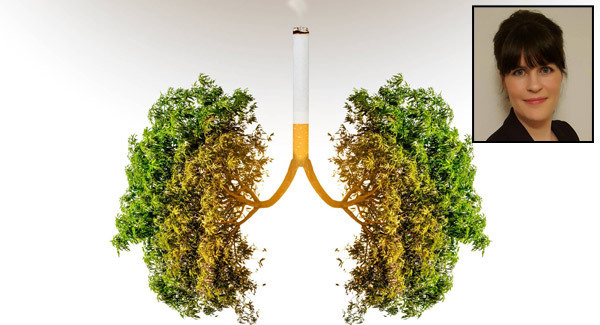
Dr Sarah Landers says smoking is the single biggest cause of disease and death in Ireland.

Mater Private: Where there’s smoke there’s a problem

WHEN Walter Raleigh introduced tobacco from the Americas to Europe in the late 16th century, little did he know the impact it would have on our nation’s health.

Although, even then, some were already suspicious that the effects were bad including James I, king of England, who said that it was “hateful to the nose, harmful to the brain, dangerous to the lungs.”

Every day, Dr Sarah Landers, consultant respiratory physician at Mater Private Hospital, Cork, reviews patients in her clinics who have developed chronic health problems or show early signs of lung conditions caused by smoking.

Smoking is the single biggest cause of disease and death in Ireland.

Worldwide, it is estimated that almost six million people die every year from tobacco-related diseases. Put simply, one in every two smokers will die as a result of their habit.

About six thousand people in Ireland will die of a tobacco-related illness this year and on average a smoker will live 10-15 years less than a non-smoker.

There are an estimated 1m people smoking in Ireland.

Smoking is highly addictive and it can be very difficult to stop. The evidence is that 80% of smokers want to quit, almost half try to quit each year, says Dr Landers.

Unfortunately, for some, their addiction to smoking can be very difficult to overcome. However, it is not impossible.

So what is it in tobacco that’s causes such harmful effects and makes it so hard to stop?

According to the American Lung Association, cigarettes contain about 600 different ingredients and when they burn, they produce as much as 7,000 chemicals.

Many of those chemicals are poisonous and at least 60 of them can cause cancer.

One of the key ingredients in tobacco is a mood-altering drug called nicotine.

When tobacco is inhaled nicotine reaches your brain in seconds. It’s a central nervous system stimulant, so it makes you feel more energised initially.

However, as that effect subsides, you feel tired and crave more. It is this cycle that makes it habit forming and addictive.

Your body has a stress hormone called corticosterone, which decreases the effects of nicotine so when you are under stress you’ll need even more nicotine to get the same effect.

In addition to nicotine, there are other principal substances found in tobacco.

Tar is a sticky brown substance that forms when tobacco cools and condenses. It collects in the lungs and we know it can cause cancer.

Carbon monoxide is an odourless, colourless gas. When it’s inhaled it enters the blood stream and has serious effects on the heart and blood vessels.

Up to 15% of a smoker’s red blood cells are carrying carbon monoxide instead of oxygen. Other toxic substances include arsenic, ammonia, acetone, pesticides and even radioactive elements such as polonium- 210.

Up to 80% of people want to quit and will make several attempts at stopping.

It is very difficult to succeed on your own, in fact, as little as 5% succeed when they go ‘cold turkey’. So the best thing to do is get help. Start by visiting your family doctor.

GPs are a huge support and are only too pleased to help those who are willing to stop.

Doctors call the process of quitting ‘smoking cessation’ and they have several treatments options that make the difficult process easier and more likely that you will succeed.

So, make the first and most important decision — decide to stop.

Consider the benefits to your own health, the effects of secondary smoke on others and the pain and sadness that serious illness and death can cause your loved ones.

Yes, it is very difficult but it is possible and you can do it with help.

Make that decision, talk to your family doctor and visit www.quit.ie or free text QUIT to 50100.

021 601 3200

www.materprivate.ie/cork 

More in this section

Cookie Policy Privacy Policy Brand Safety FAQ Help Contact Us Terms and Conditions

© Examiner Echo Group Limited













