Corkman who sold unused Ford crates across Munster
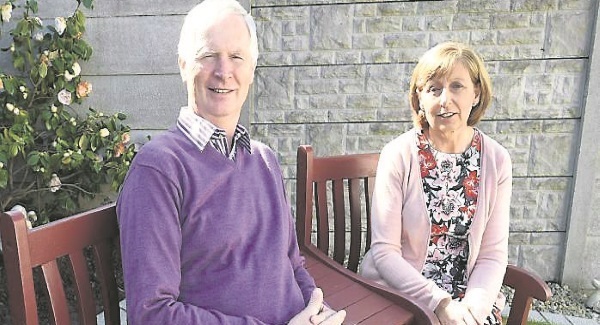
His son, Mick, remembers how his father sold the boxes for “small money” at creameries and farms throughout Munster — at one point even delivering a Ford box to the home of a girl called Christina who would go on to become Mick’s wife!
“My wife, who I married 30-odd years ago, remembers him coming up to her yard when she was a little girl, delivering a Ford box,” Mick says. “Small world! I ended up marrying her afterwards but not because of the box, mind you — but it possibly helped.”
His father, Dermot, had been a cook in the Irish army during World War II and later got part-time work at Ford.
“He used to work in the office, cleaning it in the evenings,” says Mick. “He was obviously working in the office and spotted an opportunity for a little bit of work.”
The crates were used to ship motor parts to Cork from Dagenham and Dermot realised they had a sell-on value, while Ford wanted to be rid of them.
“He bought a lorry and the lads used to load it up with boxes in the yard,” says Mick.
“The lads in the yard would have been very good to my dad and he used to help them out as well.
“He’d have a fine load going out of there then. He’d go off down the country in the mornings to the creameries, stand outside them, and farmers would come and buy the boxes and he’d deliver them.
“Hopefully he’d get his load emptied before he had the day over, if he didn’t he’d maybe do a deal with some farmer.
“He covered most of Munster as far as I know, at a time when roads were far worse then they are now.
“He used to come back in the evening then and drop the lorry back down to Ford, go back in to clean the office and the lads would reload it again and off he’d go, the process would continue again.
“Back then, everybody had a number of trades. If you didn’t have a job that was fully paying or you weren’t able to feed your family, you’d do whatever you could.”
Mick says it was a smooth business, apart from one infamous incident.
“My father was taking the corner there on the Grand Parade in Cork city one time, and the lorry tipped over. He’d a load of boxes in it that fell on top of the car. There was nobody injured, the car was damaged. The incident made the newspapers.”
Dermot might make a profit of £10 daily for the whole lorry.
“The load might be 40, 50 pounds, but for a box you might get a fiver,” says Mick.
“The farmers certainly got the benefit of some very good timber.
“A number of people had Ford boxes and possibly still have them, because they were so durable. I’d say they’re still all over Munster, if you went looking you’d find them.
“You’re talking about a sheet of plywood, you’d probably pay 50, 60 euro now for half of one.”
Dermot’s business eventually came to an end when Ford changed its practice regarding the crates.
“They wanted to get the yard cleared every day, the likes of my dad and others like him coming in with their lorries was fine but they wanted to get one guy to do the whole lot,” Mick says.
“So they put it out to tender and the guy that got it then got to clear the yard every day and he brought the timber out to somewhere like Bishopstown, as far as I know, and the likes of my dad would have to buy it from him.
“My dad decided to give it up. The next part of his life then he was delivering milk.”
Eventually, the Ford crates sideline came to an end entirely, when the motor parts were transported in steel containers instead of wooden ones.

CONNECT WITH US TODAY



Be the first to know the latest news and updates

















