Mater Private: Specialised treatment for chronic back pain
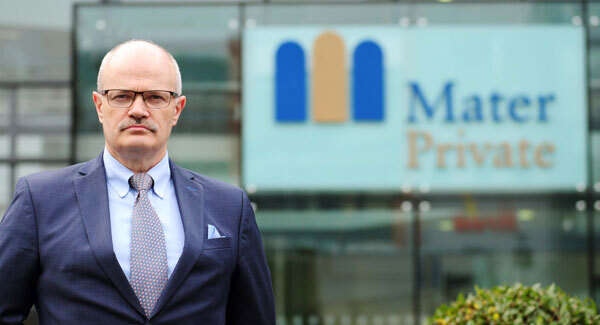
Pain management consultant Dr Brendan Conroy explains: âChronic back pain is pain that has been on-going for 12 weeks or more despite simple analgesia (pain killer medication) like ibuprofen and paracetamol and a course of exercise and physiotherapy.â
Chronic back pain, 95% of which originates from the lower lumbar spine, can be very debilitating, causing those affected to lose sleep, require long periods off work and, in some cases, develop depression.

Chronic lower back pain manifests with pain on one or both sides of your lower back, it extends into the buttocks and thighs but often not lower than the knee.
However it worsens if you twist or lift something heavy and improves when youâre lying down flat.
Dr Conroy, whose brother Liam is also a pain specialist at Mater Private, explains that most of us will have back pain in our lifetime and with a little rest, gentle exercise and simple over-the-counter remedies we will get better.
However chronic back pain is often the result of bulging and damage to the soft spongy discs between two or more of our 29 spinal vertebrae (the bones that make up our back) leading to pressure on the nerves and conditions such as sciatica.
Dr Conroy recommends if you have chronic back pain to visit your family doctor to ensure you are on the right medication.
The doctor may organise an MRI scan, a special type of x-ray that provides detailed imaging of the spine and the soft tissue, which in turn allows for a correct diagnosis of the cause.
Lifestyle changes such as stopping smoking and maintaining a healthy body weight, can help. Often people with back pain need to sit at a desk or drive for a living and if so they should:
Sit and drive as little as possible if back pain is new
Avoid sitting on soft or low seats
Ensure your work surface is at a comfortable height
Use a chair with good lumbar support or a rolled-up towel for support
Position your chair at the right height for your desk and rest your feet on a low stool
When driving, make sure youâve got good lower spine (lumbar) support
When getting out of the car, support your back, swing both legs and try not to twist
On long trips, stop and take frequent breaks.
One of the treatments available for the chronic pain patient is âradiofrequency neurotomyâ.
âHeat is generated by special radio waves used to target specific nerves and dampen their ability to transmit pain signals. The radio waves are directed to the targeted nerves via needles inserted through the skin about the spine,â says Dr Conroy.
Special moving image x-ray called âFluoroscopyâ is used to position the needles exactly where they are needed. This treatment is not suitable or effective for everyone, however for those who benefit, the outcomes are excellent.
The pain relieving effects from radiofrequency can last for several months or longer which allows for those affected by chronic back pain to follow a course of exercise and physiotherapy to improve the underlying cause.
Occasionally surgery is the most appropriate treatment for serious back pain, however, this decision is not taken lightly and your doctor will explain all the options.
âDonât suffer in silence or give up hope, there are new and excellent treatments available such as radiofrequency that are very minimally invasive only taking up a couple of hours from your day,â says Dr Conroy.
Speak to your family doctor and enquire if consulting with a specialist pain management anaesthetist is the correct option for you.
- Dr Brendan Conroy, 021 601 3401, www.materprivate.ie/corkÂ









