A stitch in time still stirs debate at UCC’s Glucksman Gallery
It will include a keynote address by design historian Joanne Turney as well as contributions from art critics and commentators.
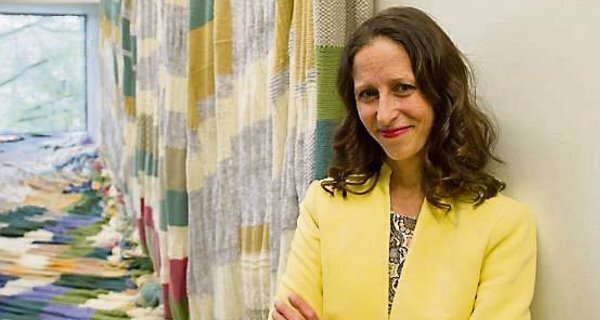
Currently being exhibited at the Glucksman Gallery, the knitting map, which is the size of a tennis court, attracted much criticism over its cost of âŹ259,000. Former artistic director of the project, Jools Gilson, says that while sheâs âhappy to talk about the money, to be honest, that is the only discussion weâve had about the work so far.â
The hefty price tag, paid for by the taxpayer, went towards the wages of four people, including Gilson and digital artist, Richard Povall, who started working on the map in the middle of 2003. There were other material costs involved. More than 2,000 people, mostly women from Cork, voluntarily helped to knit the map which combined knitting with motion-sensing technologies, representing the movement of people in the city and weather patterns throughout 2005.
Gilson, who is now the associate director of the MA in creative writing at UCC, says the knitting map is an important part of Corkâs cultural history. She says that while she received much flak over the cost of the project, part of the reason why it caused such a furore locally is because itâs such a powerful piece of work.
âItâs interesting because itâs something that you would think would be the most innocuous and uncontroversial thing in the world. Itâs basically women and old ladies knitting. I think some of the controversy is good old-fashioned misogyny. The project is about women and the work they do and how it is not valued culturally. Knitting represents the domestic, the private and the female. This work tried to explore further meanings with women coming together and knitting collaboratively, making something that documented the life of a city in an important year. It gave the women of the city map-making authority. Thatâs another reason why it was so troubling to people.â
Gilson adds that many of the women were working class and had never been involved in an art project before. She says that while everyone is entitled to their opinion about the knitting map, âthe controversy didnât really show any respect or grace of valuing of these womenâs work. I donât think itâs okay to contribute to a controversy that denigrates womenâs work.â
Some of the criticism of the knitting map has centred round its lack of a home, a permanent exhibition space. It has been displayed publicly just four times. As the âcustodianâ of the piece, Gilson has taken responsibility for storing it privately since last year, following its sojourn at UCC libraryâs special collections. She is âwilling to donate it to a public building or to talk to architects or people in Cork City Council about where it might go.â A plan to store it in the City Library fell through due to cutbacks.
Asked if the knitting map was worth the money, Gilson points out that during 2005, âother projects got âŹ250,000 including Daniel Libeskindâs âEighteen Turns,â an architectural caprice that was in Fota Gardens for six months. But nobody mentioned the money that went into that. The money associated with the knitting map is not all of the story. People should visit the Glucksman and have a look at it.â















