Roll up your sleeves ahead of the lazy summer days
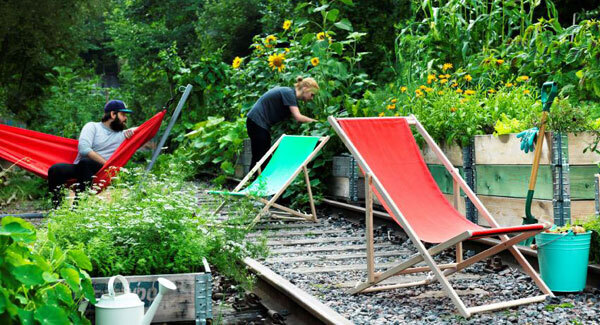
Kya deLongchamps says it’s the time of the year to retrieve the garden furniture from storage and give it a little tender loving care before picnic days arrive.

Roll up your sleeves ahead of the lazy summer days

IT’S TIME to open those deckchairs, send the spiders scrambling for safety and assess the creaks, stains, filth and light damage inevitable with stored summer furniture. Take a soft, bright spring day and put some love into this seasonal chore, keeping what you can and updating what’s clearly fit for the skip.
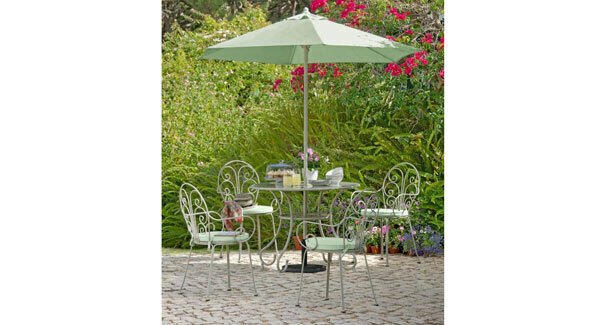
Metal furnishings

Wrought, cast or formed, metal furniture will rough up over a few years. Aluminium is the toughest contender, and will not rust, giving it a premium price. Despite what the makers may declare, steel will surrender to the elements, pitting and corroding in salt rich, coastal air.

During the winter or for prolonged periods, store your metals under cover, tipped over to drain if they don’t fold up. Take any plastic feet off the legs to allow air to circulate.

To clean metals, rub off as much dirt with a soft, soapy solution, lightly sanding and spot treating areas where paint has chipped, flaked or rust is starting.

If there are signs of crazing to the paintwork on any metal, the whole lot should be repainted, a laughingly easy job with spray enamels, replicating that new powder finish it had from the factory. Choose a good dry, windless day, as humidity will wreak havoc with drying times.

Prepare needy areas with a light application of fine sandpaper. Use two thin coats of paint in a spray or a brush application rather than daubing too thickly in a single shot.

A short spray of WD40 is ideal to loosen up nuts and hinges, and finish with some clear car wax if you like a deep shine to your metals. Cap leg ends in rubber for the summer to prevent sharp tubing scratching your patio slabs or deck boards.

Wood duties

Wooden furnishings, especially hardwoods like acacia, are dense and durable, but again rely on good storage where circulating air will whisk away most mould and moisture problems. If the pieces are damp and speckled in mildew when you take them out of their winter quarters, dry the pieces out in the fresh air and sunshine.

Check the joints, boards and any moving parts. Specialist wood soap intended for floors are ideal for a wash down, but towel and air dry as quickly as possible. Cuprinol offer a Garden Furniture Cleaner in orange oil, ideal for a light tidy and regular maintenance.

Don’t use bleach in any mix, as it will open the fibres of the wood, damaging the surface. If you must use a power washer, keep the nozzle at a reasonable distance and spray rather than pounding the wood with a focused shot.

Try a fine-grit sandpaper along the grain on dry wood for stubborn stains and finish with a clear wood preserver. Hardwoods can be left to silver and dressed up in textiles every season or take an oil such as teak oil, deep into their fibres, beautifying and colouring the wood as desired.

The more breathable the finish the better, so if you find old style solvent-based paints around the shed, take them to the civic amenity and choose a modern water-based product rich in protective waxes and resins instead. Ronseal’s hardwood stain is €19.99 for 750ml.

Traditional weaves

Wicker, Lloydloom and traditional rattan is made up of natural materials such as paper and split-reed twisted or woven together as fabric and bound over metal. Reasonably light, biodegrading pieces, the number one enemy of these classic garden furnishings is the sun.

When you are not using traditional choices for more than two weeks, place them inside or off the ground, underneath water-resistant, breathable covers.

In our humid conditions you are likely to find mildew on the organic fabrics of these pieces after a winter stored in the garage. Give chairs and tables a vacuum with the soft bristle attachment and a light wipe down with warm water stirred up with a dollop of mild washing up liquid. Rinse, dab dry with a soft towel and allow to air in a breezy, bright position.

Ultimately natural weaves mean work, and in our warm, dreary climate this family of furniture has largely been replaced by poly-synthetic rattan made from a heavy duty PVC wound onto metal threads. UV resistant, and really only damaged by harsh chemical cleaning or violent puncture to the panels, you can let the power washer rip every spring, then throw on the cushions and relax.

Covers and storage tips

Some of the outdoor dining and lounge sets on offer are the size of baby hippos. Yes, the modulars can be split and rearranged for every occasion, but they still have to go somewhere in the intensifying weathery wilds of September.

If you can’t cram them in the garage or coax them into a conservatory, they will sit around the side of house or in their summer situation under covers.

Expect to pay in the area of €35 per large armchair for a good, breathable, weather- resistant cover, and €50-€60 for a product to cover a two- to three-seater sofa. Plain plastic sheeting leads to condensation and will ‘cook’ your furniture.

Look for loops to secure the cover from blowing off a pile of furniture and a drawstring for ultimate fit. If the chairs drain through the seat or weave, set it at a tilt to allow condensing dribbles and drips to travel off the surface.

Cover glass in a length of corrugated cardboard secured with a low tack tape, to protect it from falling debris. Where space is tight, look for folding pieces you can stack against a wall, slip into each other or hang from hooks on the wall of the shed.

Keep in mind that lighter outdoor furniture without a permeating weave can become a damaging missile in high wind. Don’t take chances and retract and remove any parasols.

Textile tips

* Outdoor rated cushions have a chemical treatment to repel stains and moisture, including acrylics, polyesters and even cottons. Choose the right materials if you are refreshing the upholstery and store them in waterproof drawstring bags under cover when not in use.

* To check if your existing cotton fabrics are up to outdoor use (in reasonable dry weather) examine the colours of the cushions. If they are the same back and front, the fibres are generally solution dyed, and less likely to fade than printed fabrics.

* Choose removable covers that can be washed at 30-40C in pale colours for longevity, and cotton for the softest touch.

* The water repelling qualities of synthetic cushions will fail over time. Replace them or apply a proofing spray intended for tenting or equestrian rugs to encourage rain and dew to bead off the surface.

Scotchguard offer an Outdoor Silicone Water Shield (about €14 for a can to treat 3m from www.ebay.ie ). Don’t attempt to wash cushions that are not machine washable.

* Shake off loose debris, work dirt patiently out of seams with a soft toothbrush, and spray them off with cold water from the hose.

Sponge off stains and spills as they happen. For heavy soiling try Vanish Oxi-action as a spray, testing a hidden area for colour fastness first. Avoid washing any foam insert, as they will hold water and rot.

x

More in this section

Cookie Policy Privacy Policy Brand Safety FAQ Help Contact Us Terms and Conditions

© Examiner Echo Group Limited













