Rhythm of life links Ireland to reggae in Jamaica
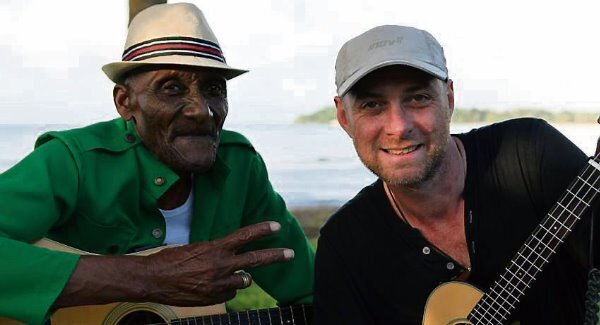
Mac Lochlainn grew up in the Twinbrook housing estate in west Belfast, about 300 metres from Bobby Sands’ family home. While the city was torn asunder by the Troubles, Bob Marley’s message of ‘One Love’ had particular resonance for the city’s divided communities. Curiously, Marley died within a week of Sands in 1981. Mac Lochlainn was 15 years old at the time.
“Nobody went into the centre of Belfast at night time — apart from young punks and people who were listening to reggae, and covering songs by The Clash, punk and reggae bands,” he says. “Through that I got into reggae, which had universal ideas. There were a lot of parallels with what was going on in Belfast and in Kingston.
“It was another divided city. It has a history of colonialism and monarchy, and the idea that it has lost its language as well. A lot of the tribes in Jamaica wouldn’t have been allowed to speak their languages. There are similar parallels to that language loss with Ireland.”
In the documentary, reggae legends Sly and Robbie speak about how the music comes from the patois. “The same thing happened in Ireland with Hiberno-English, which is a play on English. Some of the patois in Jamaica would remind you of the way people speak in parts of Donegal.”
Mac Lochlainn chats to an impressive range of musicians and intellectuals on the island, including Earl ‘Chinna’ Smith who played with The Wailers and Lee Scratch Perry and Mutabaruka, the ‘national bard’ of Jamaica. His journey takes him into the Trenchtown barrio where Marley grew up, and around the hills outside Kingston to some ancient tribal drum sessions at nightfall.
Mac Lochlainn reveals how the legacy of slavery still traumatises the islanders — more than 50 years since Jamaica gained independence in 1962. When the British took control of the island in the 17th century they outlawed drums, referrering to them to as “instruments of noise”.
After Marley’s death, slack reggae, with its clever lyrics and glorification of sex and guns, thrived amongst the island’s dance halls. However, the Rastafarian-infused, brotherly love appeal of roots reggae is enjoying a renaissance lately.
“Bob Marley was coming from a what was called a Third World country,” says Mac Lochlainn. “He was singing about oppression and keeping people in poverty. He witnessed this happening — the 99% and the one per cent. Jamaica had been like this for centuries. Bob Marley, for me, was always spiritual. He wanted to overthrow these economic and government systems, which kept the wealth for a minority, and the rest of the people as slaves.”
Mac Lochlainn says Marley’s music gave him more than just an understanding of what was happening in the North. “It gave me a context for the divide-and-conquer colonial system. Marley was giving me a perspective about what was happening there under British rule and what was happening all over Africa and different places under British rule. Marley gives you a super quick workshop on colonialism and the universality of all people. That was Marley’s concept of ‘One Love’ — that we’re all brothers and sisters.”
- Ceolchuairt, TG4, 9.30pm, Tuesday

CONNECT WITH US TODAY



Be the first to know the latest news and updates

















