Saying bye-bye to the dummy
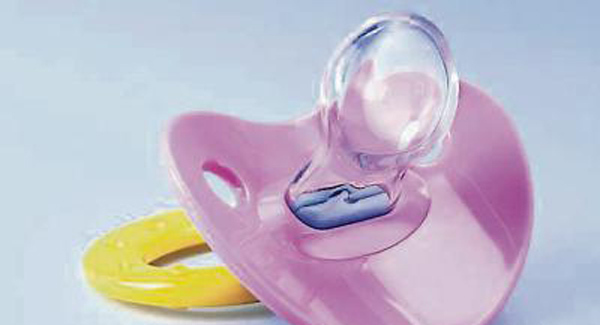
When it comes to getting your two to four-year-old child to part with his soother, the make-believe fairy is the easy part — once that bit is done you need to be strong and stay the course. If it has been their crutch for a long time, it’s harder for an older child than it is for babies to fall off to sleep without a soother, says paediatric sleep consultant Edel Gargan. “They have to re-learn how to settle and fall asleep.”
Gargan says it’s important to empathise with the child — tell him you understand it’s hard. “Give him time at night without creating other bad habits [don’t get into bed with him to soothe him to sleep]. If he’s finding it hard to settle, go in frequently to him. Play relaxing music or give a special teddy bear to help distract him.”
She recommends praising the child for going to sleep on the first soother-less nights — no matter how well it has gone. Give a reward, though this must appear promptly next day.
Gargan urges parents to wean their child off the soother during either of two windows — after his second birthday or when he’s aged between six and 10 months. “Taking a soother between the ages of one and two years can be very hard for a child — he won’t understand.”
Nor should you wean a baby off it before he’s six months old. “Up to then, babies have a sucking need. After that age, the sucking need subsides and children get attached to the soother for comfort — that’s when it can be an issue and it’s in their mouths all the time.”
At the early baby stage, there are advantages to the soother, says Gargan: research shows it can help reduce incidence of Sudden Infant Death Syndrome, help calm a child, as well as space out feeds.
When parents of six to 10-month-old children come to Gargan, declaring a problem with the soother, it’s usually because the parents are having trouble sleeping.
“The child is waking frequently during the night wanting the soother to be replaced. Parents respond to a baby’s natural night-time noises and movements by constantly popping the soother back into his mouth. The child loses his ability to transition between sleep cycles without the soother.”
As Christmas approaches, many parents are considering a seasonal alternative to the ‘dodi fairy’— telling children Santa will collect their soothers and leave presents. Gargan advises waiting until the festivities are over — you mightn’t want to spend Christmas reassuring a sleepless child.
* Refrain from replacing soother during night – if it falls out, leave it.
* Limit soother to bedtime, so it’s not a constant source of comfort through the day.
* Read age-appropriate books with child about saying goodbye to soother.
* Be prepared to empathise.
CONNECT WITH US TODAY



Be the first to know the latest news and updates









