Focus on concentration: the best gifts parents can give
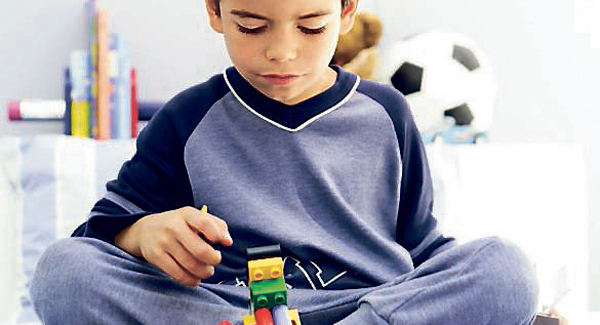
“A child who can concentrate will be able to listen at school, follow instructions, participate in class activity, play with other children and follow given activities on their own and with others. Being able to concentrate helps their socialisation,” says Barrett, who believes parents need to consciously help children develop concentration.
“It’s not something you can suddenly enforce,” she says. “Ideally a child will develop their strongest powers of concentration between age one and three. But if they haven’t had periods of quiet or time alone without distraction, they can just get used to always having company and constantly doing.”
The biggest mistake parents make is to interrupt a child who is totally absorbed in an activity. A baby is examining his hands and the parent comes along and tickles his tummy. A pre-schooler is reading or building a tower of blocks — the parent approaches, asking: ‘are you enjoying that?’ It’s better to stand back and remain quiet.
Barrett advises switching off sources of noise — TV, radio — and to model concentration for them. “Parents would do well to have quiet time in the company of their children. Read a book. Create a ‘quiet time’ in the house. Don’t say you’re going to do it — just let it happen.” It may sound like neglect, she says, but it isn’t — it’s a “careful watching of moments in time” and you’re teaching your child a life-enhancing habit.
She recommends spending time reading with children, letting them listen to stories, getting busy together baking so you can enjoy the concentration of working together. Go into a forest and quietly listen to the sound of the birds and the wind.
“Make jigsaws — these are wonderful means of concentration for pre-reading and premaths but make sure you give your child only fully complete jigsaws — it leaves them with a very incomplete feeling if there’s a piece missing.”
If a child is always looking to you to ‘do’ an activity with them, start developing their concentration by gently leaving them alone with it, even for just a few minutes at the start and gradually building on this.
With a four to six-year-old child, Barrett advises taking 15 minutes each evening to look over what was done in school that day — you will be creating a valuable homework habit for later years.
* Leave your child be when he’s happily concentrating on his own.
* Go for nature walks, where you look out for birds and leaves.
* Gradually increase number of jigsaw pieces to expand concentration time.
* Join a library and spend time with your child looking at books there.














