How does fasting during Ramadan affect the sick?
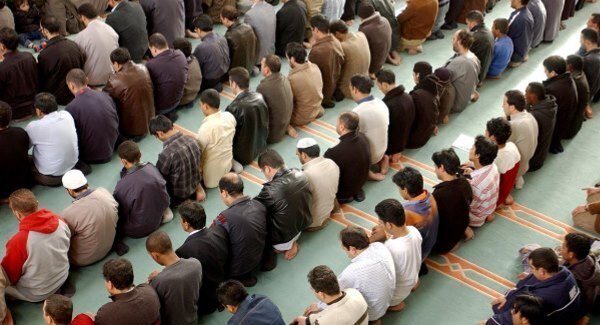
As the sacred month of Ramadan begins, Louise Roseingrave speaks to a Muslim doctor who is diabetic and also being treated for cancer about the challenges fasting poses for the sick

How does fasting during Ramadan affect the sick?

THE sacred month of Ramadan begins this weekend, posing a particular challenge for Irish Muslims in our long hours of daylight. From tomorrow to July 27, Ireland’s 49,000 Muslims are expected to abstain from food, fluids and sex from sunrise to sunset. They are encouraged to offer additional prayers and increase their charity offerings to the poor.

Ramadan is considered the most sacred month of the Islamic calendar and no Muslim is exempt, except the sick, those who are travelling and pregnant women whose babies may be put at risk as a result of the fast. However, they are expected to make up the fast days they miss during the year when they can.

Dr Shabir Ahmad, 58, a consultant physician from Pakistan living in Castlebar, Co Mayo, is one of more than 190,000 people in Ireland with diabetes. First diagnosed 13 years ago, he has fasted every Ramadan for the past 40 years. This year, for the first time in his adult life, he may not be able to fast. He was diagnosed with bowel cancer last January and began radiotherapy treatment at Galway University Hospital during the week. Ramadan, according to Dr Ahmed, is about more than fasting.

“This lifetime is a test. There will be a day of judgement where all our deeds, as recorded by the authority of the intelligent designer, whom we call Allah, will be judged,” he says.

The period of Ramadan lasts between 28 and 30 days based on the lunar month that begins with a new moon. Considered a time of spiritual reflection, self-restraint and increased devotion, the aim is to redirect one’s focus away from worldly activities towards self-discipline and sacrifice.

“From sunrise until sunset we are not to eat, not to drink fluids (alcohol is forbidden in Islam.) You have to control your tongue, not to talk rubbish. Control your eyes, not to look at evil things, and control your nerves and behaviour. It’s not just about controlling your food, it’s a package, to get a hold of your desires and emotions. There are no sexual advances from sunrise to sunset. You have to be a very decent person,” Dr Ahmad says. The aim is to apply the effort required during Ramadan in life during the rest of the year.

“It’s not a period of training and then you are free, you are required to apply that training in the rest of the days and months of your life,” Dr Ahmad says.

If the fast is broken in a moment of weakness, Muslims need to first repent and then replace the lost day.

“If you lose control of your desires for food or fluid or you lose your temper you have to repent. We are human beings, after all, so something might happen that you could not control. But that’s the aim, that you become the master of your desires,” Dr Ahmad said.

A married father of two children, Dr Ahmad works as a consultant physician at South Tipperary General Hospital in Clonmel. He uses tablets and insulin to control his diabetes.

“Being diabetic doesn’t stop me from fasting. I cut down the units of insulin during Ramadan, to keep my sugar a little on the high side and that keeps me going in the month of Ramadan and I have never had any trouble.”

This year is different however, as Dr Ahmad is waiting to see how he responds to radiotherapy before he decides whether or not to fast during Ramadan.

“I would be fasting for 16 to 17 hours, so in the evenings I try not to over-eat. I have been testing myself and I had better control of my blood sugar and cholesterol during the fast. If you’re not eating for 16 hours naturally your own body’s sugars and fats will be burning as fuel. As a doctor, with a heavy workload, you might expect it affects our ability to function. Being honest, you are probably not in top gear, I would admit that. But then you are not in the lowest gear either. You can still function.

“People who are sick are not to fast. They can replace it at some other time that suits them. Pregnant women or those breastfeeding are not to fast if they wish. It’s up to them, they know themselves, their body, their energy. It’s no problem if you don’t fast but it has to be replaced during some other month later on, because it is a compulsory part of Islam,” Dr Ahmad said.

There are tools available to guide diabetics safely through Ramadan. ‘The Facts About Fasting During Ramadan’, available for download from Diabetes Ireland (seewww.diabetes.ie), outlines healthy eating and diet tips and guidance on when to break the fast. It includes a blood sugar tracker. Some 6.1% of the Irish population have diabetes.

Dr Anna Clarke of Diabetes Ireland urged people with type 2 diabetes who are considering fasting to visit their doctor.

“It’s vital that a discussion take place before fasting starts — this year, due to Ramadan falling at a time of increased daylight hours, it’s particularly challenging and may pose serious health risks,” she says.

Precautionary medication to prevent hypoglycemia may be required for patients with type 2 diabetes during Ramadan.

Additional prayer and charity as part of Ramadan helps turn the focus towards those less fortunate, according to Dr Ahmad.

“You are encouraged to give more charity to the poor people. It’s part of the essence of this month, when you feel hungry, you think of the poor, the aim is to share your hunger with poor people and help them, if you can,” he said.

‘Zakat’ is another pillar of Islam, the practice of paying 2.5% of the value of one’s assets to the poor and to charity for the circulation of wealth in Islamic society. The payment is often made during Ramadan.

For Dr Ahmad, the sacred month may be different this year. Even so, it will serve as a reminder for millions of Muslims around the world, ‘that your conduct and behaviour is being judged’.

“We are ordered to pray, five times per day, to remind us that we are created by God and we are accountable to God,” he says. - Women and Ramadan Islamic scholars believe a woman should make up the period of fasting she chooses to skip due to pregnancy and breastfeeding.

Scholars base their guidelines on Quranic verses. Scholars believe that the Prophet Mohammad granted pregnant women and those breastfeeding a dispensation allowing them not to fast. Women whose babies or health may be put at risk due to fasting are specifically required not to fast. According to Islam, women become ‘mukallifah’ (accountable for their deeds) when they begin menstruating. Fasts during menstruation are not valid, so women are required to make up the fasting days they miss at another time.

- Women and Ramadan Islamic scholars believe a woman should make up the period of fasting she chooses to skip due to pregnancy and breastfeeding.

Scholars base their guidelines on Quranic verses. Scholars believe that the Prophet Mohammad granted pregnant women and those breastfeeding a dispensation allowing them not to fast. Women whose babies or health may be put at risk due to fasting are specifically required not to fast. According to Islam, women become ‘mukallifah’ (accountable for their deeds) when they begin menstruating. Fasts during menstruation are not valid, so women are required to make up the fasting days they miss at another time.

More in this section

Cookie Policy Privacy Policy Brand Safety FAQ Help Contact Us Terms and Conditions

© Examiner Echo Group Limited













