Set sail for a truly great outdoors
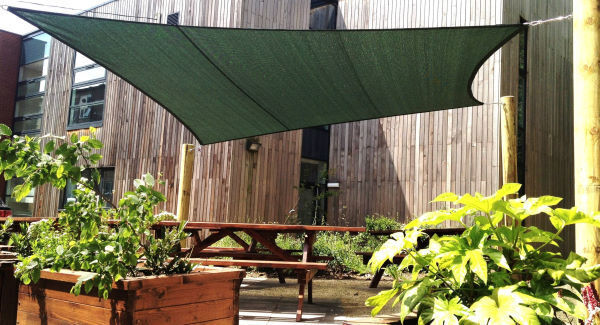
DO WE really want our garden to be simply another room? Does it only offer an up-sized set of indoor style chairs, an optimistic sun brolly and Wi-fi connectivity to pretend we’re all still sitting comfortably inside?
Watch your children engaging with the garden from May forward. They throw up tents from blankets and skipping ropes, swing lightly from the trees, eat lunch, belly down on the bare grass, and glory in that fraction of an acre of nature.
Throw off the umbrella for a fabulous sail-shade, upgrade the tottering Sputnik BBQ for a built-in fireplace, and bring a sense of the exotic to any Irish garden with some gentle eccentricity.
Shade sails took flight as up-cycled real sails in hot climates where they could not only diffuse the heat of the sun, but slough off the regular deluge of rain that accompanies tropical weather. Suspended from tension lines, steel cable or chain at each corner or set in a group, shade sails are not only highly architectural, but bouncing softly, channel the sheer joy of open ocean.
Set at varying corner heights as ‘hypers’, a sail can prove a real sculptural beauty. Purists prefer real sail material bought by the metre, or use sails re-finished to size, but there are commercial shade sails available in a range of colours and sizes.
Installing a sail, consider the indoor landscape, plantings and where any new set of shadows may fall over the course of the day (there are several apps for smart-phones to plot the sun by the hour). This is Ireland. We’re discussing a modest few metres of shelter — the HMS Victory is not required.
Fixing points can be anything from strong fencing to an obliging tree, but it may be necessary to sink dedicated poles into gravel or concrete footings to anchor the sail against wind. Plan out those positions first and think about one-third of the post being below ground and two-thirds above.
Remember that the rain will sheet off the sail depending on the decided height of each pole, so consider where you might want to pitch it and drop one draining corner before hoisting and tensioning with a ratchet. If you don’t have a friendly local chandlery, take a look at the Kookaburra sail shade as seen on Alan Titchmarsh’s ‘Love Your Garden (ITV). Price from €56 for a 3.6m triangular sail. www.primrose.co.uk.
An immovable fully-detailed outdoor kitchen, complete with refrigeration, Tikki bar and granite surfacing is the luxury of footballers’ wives, and inexplicable in our climate.
Building in a small bespoke BBQ can cost as little as €100 labour, plus some serious sweat equity. If you’re already putting the chiropractor’s kids through college, why not add a few design nudges and raise it to the level of a working outdoor kitchen?
A bit of walling with a heat resistant surface becomes counters and shelving on either side of the traditional solid fuel burning position, with grilling shelves set to suit. In brick or stone, many outdoor kitchen areas sit unobtrusively, storing a few plant pots until re-ignited to life in late spring.
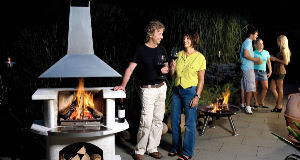
Poured concrete has soared in status for indoor and outdoor applications as its versatility and yes, beauty, has finally become appreciated. My vote goes to a gorgeous compromise which works out at a short spend above a trundled out standard buy — the BuschBeck barbeque/fireplace.
Assembled in blocks of white or white/brown quartz-composite, the BuschBeck also includes terracotta, wood and copper components that don’t look ridiculous in an Irish garden.
In a soft industrial grey, these BBQs rise comfortably from a support of similarly coloured paving materials. Weighty at 440k plus, they have a handsome permanence and the honest materials radiate heat 360° to wandering guests. The range includes gas inserts, pizza ovens and other accessories you can disassemble over the winter. Prices from €600. Stockists and range at www.bushbeck.ie.
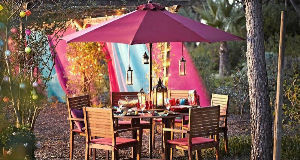
With the freedom of candlepower and LED solar lighting, it’s possible to stage a relaxed, sit-down Bohemian dinner party by night or day, anywhere in the garden. Again, avoid inflating Irish suburbia as a theme and go creatively abroad.
Frame in the dining area with a ‘wall’ or two of colourful cheap or re-cycled tab-top curtains suspended from ordinary washing line and pooled luxuriantly to the ground (thank you Argos for illustrating this simple idea using their ColourMatch curtain range).
Curtains drift romantically and block out clanging eyesores that might frighten the more rarefied visitors. If you’ve had enough sense to finally put a polycarbonate roof on that Roman temple of a pergola — take a nod from those exacting spring brides and dress it up, Franc-style. Wind the timber uprights in brightly coloured sheets, draping in swags at the top to meet its neighbour. Secure with zip ties and fluff and tuck to hide their position.
Twist some LED solar chains such as Solvinden from IKEA, crossing the rafters if possible (from €15).

Moroccan and Indonesian accessories are everywhere this season and can be tossed from inside to out.
Pierced North African lanterns scatter light to the stars and are well suited to tea-lights, as table centres or hanging from trees. Ikat style prints and weaves have an edgy exoticism and sit well with the new watercolour washes beloved of interior design houses including Amy Sia and Bluebellgray.
Pile up cushions for lounging on recliners, hammocks or set around the base of trees on the drier days. To evoke some Middle Eastern magic for a gathering, layer Oriental style rugs on dry ground (taut please — serious tripping hazard after a pint of Merlot) and throw a thin one over the table itself.
Vintage china, coloured glass, rustic flatware — un-box those treasures and make up harlequin places of mixed pieces for each guest. Candlelight will blur the rougher edges of this daring feasting and by dusk, your guests will simply be enchanted.
Tin can lanterns are a much loved and folksy way to light the garden and cost only the price of the tea lights. String them through trees, together in a rustic chandelier or use on a table at an adult gathering. Ensure young children never have access to a hot lantern of any kind. Older children can help craft these lanterns.
Empty food tins, well washed out and cleaned of their labels
A little sand
A hole punch or good sized nail with a flat top (or a variety if you want to get highly creative)
A small tack hammer
Spray paint (optional)
Lengths of String or ribbon to hang
1 Remove any labels from your chosen tins and ensure there are no sharp edges remaining. Half fill with sand and top with water. Stand upright and freeze overnight
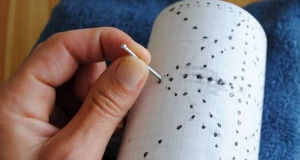
2 Set out a stencil of your design outlined in a pattern of small dots of soft marker (not so close together that they are likely to break together when punched). Use a paper pattern if you like.
3 Set the frozen tin on a rucked towel or even onto the grass to steady it. Using a nail or hole punch and a small tack hammer, punch out the design. Don’t attack the can, a light tap will do.
4 Punch two holes at the top of the can on either side to thread a hanging string or ribbon.
5 Drain can once finished and wash out. Spray to decorate if you like (outside not in, as paint can burn) and hang by itself, in groups, or along a line furnished with a tea light.
CONNECT WITH US TODAY



Be the first to know the latest news and updates









