Why being a princess is no fairytale
WHAT would you say to your young adult daughter if she told you she wanted to be a princess? That she wanted to marry a prince? Would you hit her over the head with a copy of Cinderella and tell her to get real, that it’s a fairytale, not something any sane woman would wish for in real life? Who on earth would want to inhabit such a role?
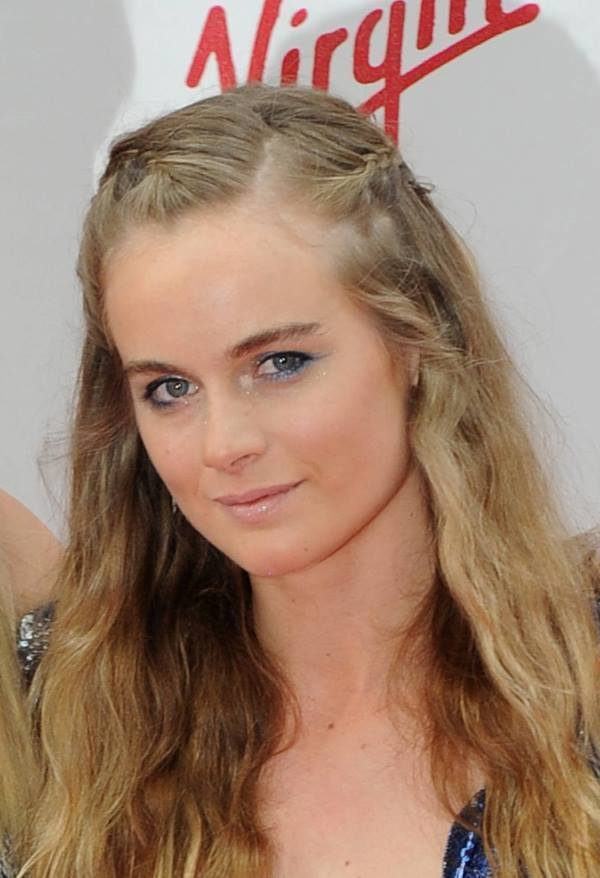
Not Cressida Bonas, the posh girl who just broke up with Prince Harry. Boo-hoo, cried the at the news that the two-year relationship ended over an airfare. Or something. Being a modern princess is a jolly good wheeze, it suggested. What on earth was wrong with Cressy to ditch such a royal catch? The Daily Mail, always on hand to help, suggested she might have been “too needy”. The rest of us might wonder if she hasn’t had a lucky escape, already fed up with the camera phones of peasants being shoved in her face every time she left the house, and not quite ready for a life of ultra-scrutiny and dull, dull duty. No amount of access to the royal yacht or helicopter or butlers could compensate for such loss of freedom — could it?
Meanwhile in the US, Fox television is set to air a reality show on May 27 called , where 12 young women will
compete to marry the prince. Except obviously, the real Harry doesn’t want to marry a single mom from the American midwest or a beauty pageant queen or a pole dancer or whatever, so the show has improvised with a Harry lookalike, and its publicity has been bumped up by talk of the 12 potential princess brides being “duped” by the fake prince.
Back in the world of British royalty (I was going to say back in the real world, but royalty is about as real as reality television, just posher), Harry is newly single and nearing 30. Who will he choose to co-manufacture the next generation of princes and princesses? The difference between a married-in princess and a born princess seems to be fairly straightforward — looks. Married-in princesses are always lean, glossy, expensive looking. They are chosen by royal families in the same way that they select their thoroughbreds — it’s all about the hair, teeth, legs and breeding potential. Looks and charm over brains and personality.
Diana remains the eternal warning signal for all potential princess material, a sort of cultural don’t-go-there stop sign. A perfectly nice posh girl driven mad by The Firm, but who had the grit to fight back a bit. Perhaps she is key to the next generation of princesses being more independent. Diana-worshipping newspapers were desperate to make Kate Middleton the next people’s princess, but she’s just too normal. Unlike Diana, she comes from a functional, upper middle class home, with a family who all seem to get on marvellously, and go on holiday together.
Much has been made of Kate Middleton’s embracing her new role, particularly on the couple’s recent tour Down Under. Unlike the awful pretend marriage of Charles and Diana , William and Kate seem to be genuinely loved up. Nor has she ever really worked or had a career to speak of — she was a student, then she was a girlfriend, now she is the next queen. All she has to do is stay thin, dress inoffensively, and take her hairdresser on official engagements with her — this is her job. She seems remarkably good at it — posh, popular, affable, visually non-jarring. This is the role of a modern British princess.
But what about the others? Poor old Beatrice and Eugenie, who were born princesses, never get a look in, other than when people are being mean about their hats at weddings. Other than that, they are mostly left alone. When their mother transgressed against the royal family by daring to have a personality, she was ostracised. This is royal protocol — when Princess Margaret fell in love with a non-royal called Peter Townsend whom she had first met when she was 14, her sister Princess Elizabeth, before she was Queen, put an end to it, citing royal duty before love. Princess Margaret never quite got over it.
The same thing happened when Diana’s grandmother Lady Fermoy and the Queen Mother conspired to get Diana married to Charles, even though he was in love with Camilla. And we all know how that ended. Heaping misery on princesses is a long standing British tradition — Queen Victoria famously loathed all babies and had little time for her nine children, but held special disdain for her daughters, particularly Princess Louise, whom she forced into marriage with a duke who could not love her because he was gay.
So is it any better away from the British house of royalty? Are European royals more laid back, less stiff upper lip? When the movie star Grace Kelly married Prince Rainier of Monaco, she ceased to be Hollywood royalty and immersed herself in actual royalty, at her husband’s insistence. Her own daughters, the princesses Caroline and Stephanie, grew up steeped in the stuffy protocol of Monaco’s old-fashioned royal family — while Caroline took on her role dutifully, Stephanie wanted to be a pop star and had a baby with her bodyguard (her daughter Pauline Ducruet, now 16, is 8th in line to the throne). Princess Grace’s other granddaughter is 23-year-old Charlotte, daughter of Caroline. Such is her apparent perfection that she conforms to the Hollywood ideals of a princess — she is beautiful, talented (she rides horses, dabbles in journalism, and fences like the cat from Shrek), and has an art dealer boyfriend who is heir to billions. The British press would most like to see Harry get together with Kate Middleton’s sister Pippa. Nothing would excite them more. Pippa, on the other hand, has shown no willingness whatsoever to be shoe horned into such a fairytale. She is far too busy being young, rich and free.















