Dr Eva Orsmond: weight-loss programme and specialised food can reverse diabetes
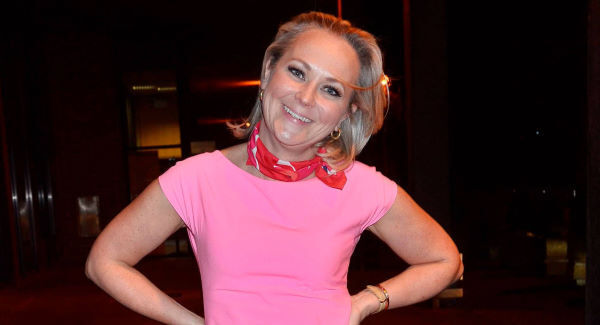
Dr Eva Orsmond has never been afraid to speak her mind — and now she’s turned her attention to type 2 diabetes, writes Áilín Quinlan.

Dr Eva Orsmond: weight-loss programme and specialised food can reverse diabetes

THE obesity ‘epidemic’ is increasing instances of type 2 diabetes, which, along with cardiovascular disease, is one of the major causes of death in Ireland.

Dr Eva Orsmond, formerly of TV show Operation Transformation, a GP and weight-loss specialist, says she has the answer.

Type 2 diabetes, Dr Orsmond says, can be reversed through a low-calorie diet and weight loss.

“We’ve always known that the most effective treatment for type two diabetes is weight loss,” says Orsmond.

“This is not new. Any endocrinologist who deals with diabetes knows that.”

But it’s now believed that a low-calorie diet, based on food supplements and non-starchy vegetables, expels from the body the fat that is clogging the pancreas.

This ‘wakes up’ insulin-producing cells.

It was previously believed that only newly-diagnosed cases of type 2 diabetes — typically people whose diagnosis was less than five years old — could be reversed. But Orsmond says there is research and evidence-based medicine to show that longer-standing conditions are reversible.

“I’ve had cases of type 2 diabetes, who have been on insulin for 19 years.

“They responded very well, reversing their type 2 diabetes with a very low carbohydrate diet and weight loss,” she says.

So what’s the key?

Diabetes ‘lives’ in excess fat — in the visceral fat, which is fat in the abdominal cavity.

“You basically have to reduce your weight to the same level that it was before you were diagnosed,” says Dr Orsmond.

The low-calorie diet she has created, she says, promotes weight loss and is so low in carbohydrate that it doesn’t contain sufficient sugar to abnormally increase blood sugar.

Patients are often put on increased medication because of their high sugar levels, or, as it is often called, poor glucose control.

But Dr Orsmond says “if the diet is sufficiently controlled and correct, this doesn’t happen, and this is the basis of my diet. Basically, the whole idea is about reducing the fat in the body — research indicates that if a person loses weight quickly, the insulin resistance reduces faster also. There is almost a regeneration going on.”

Chronic diabetes medication is expensive and is paid for by the taxpayer, she says.

“If 10% of type 2 diabetes patients on insulin reversed their condition, we could save at least €140m a year.

“I believe that because this condition is self-inflicted in most cases, people should be given a chance to reverse it themselves.

“If they don’t do that, they should have to pay for their medication themselves, which can cost several thousands of euro a year.”

Anyone can do this diet, she says.

“I’ve treated children and adults successfully. I had a case with a young boy, of about 12, whose insulin levels were off the charts.

“They were 10 or 11 times what they should have been.

“He had a very poor diet, with a lot of sugar and a lot of takeaways, and was morbidly obese.

“In three weeks, with a very low calorie diet, the insulin levels came to an almost normal level.”

The child lost five stone while under her care.

Because Dr Orsmond’s patients require a diet very low in carbohydrate, but high in fibre, she bases it around vegetables, such as broccoli, cabbage, cauliflower, turnips and leeks, and specific, low-carbohydrate food products, which she provides, including special porridge, bread and pancakes.

“In the first 40 days,” Dr Orsmond says, “people typically lose about 10% of their weight — that can be a stone-and-a-half to three stone, depending on how heavy they are.

“I have one girl who lost 14 stone in 12 months and another who lost 12 stone in 12 months.”

After that period, the weight loss slows, but continues to drop steadily.

“After three months, people will typically lose about 18% of their weight, though it can take some people up to six months, or even longer,” she says.

Be warned — the regime doesn’t come cheap.

The programme costs between €490 and €850, depending on the number of consultations required, while Dr Orsmond’s food products, which are used during the weight-loss period, cost between €80 and €100 a week.

However, Dr Orsmond says, it’s worth it.

“This is not really expensive when it means you are getting your life back,” she says.

The system involves 12 appointments in three months, though it can be extended, where necessary. And here’s the key — it has a success rate of about 80%, she says.

This is partly, she says, because it is a very individualised programme, and partly because the patients are highly motivated.

“They have to prepare the food and they start learning to use vegetables, or start learning to use them in different ways,” Dr Orsmond says.

www.orsmondclinics.com

I lost eight stone and sweetener is I’m diabetes-free

It was the summer of 2011 and retired FÁS supervisor, John Dalton, from Timahoe, Co Laois, was 26 stone when he saw an advertisement for the Orsmond weight-loss clinic.

Dalton, 69, a non-drinker, had type 2 diabetes for 10 years. His weight had increased since he had stopped playing hurling and gaelic football 25 years previously. He went to the Orsmond clinic in Loughlinstown, Dublin. “I had been diagnosed with type 2 diabetes in 2001. I was on insulin about four times a day, as well as tablets. I was eating too much. I was very fond of my food, altogether. I was eating takeaways and sweet cakes.”

Dr Eva was blunt: “She told me I was a dead man walking. She said that diabetes takes 15 years off your life and that, since the average lifespan for a male was about 77, I should have been dead a few years already. She’s very motivational.”

By September, he’d lost three stone: “After this phase, Dr Eva took me off all the tablets and reduced my insulin injections. At the time, I was on 20 units of insulin four times a day, and on tablets also.”

By Christmas, he had lost five stone. “I was taken off the insulin injections completely and also off all the tablets for diabetes, blood pressure and cholesterol. The injections had become very intrusive, because everywhere I went and had a meal, I would have to give myself a shot of insulin.”

Overall, John lost eight stone. Now, two and a half years after his first appointment, his diabetes is but a memory.

x

More in this section

Cookie Policy Privacy Policy Brand Safety FAQ Help Contact Us Terms and Conditions

© Examiner Echo Group Limited













