Vintage View: Garden urns and statues
LAST year the Chelsea Flower Show lifted its former ban on the inclusion of garden gnomes attending its feted showgrounds. The protesters who had in past years hung around the gates in full gnome garb were finally dispersed and 150 more well behaved ornamental gnomes were placed on parade for Queen Elizabeth II. For most of us, there’s a deep-seated impulse to break up all that planting with a deliberately man-made inclusion, be it a gnome, a pronking full-size deer or something more refined.
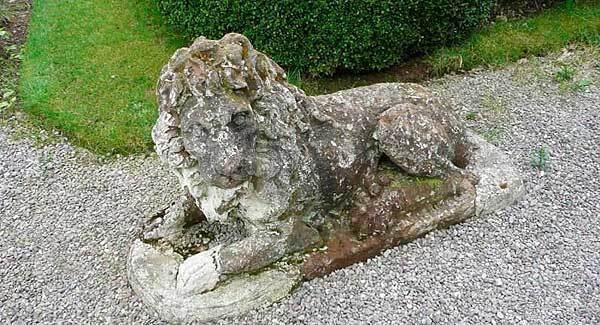
Urns, planters, statues and sun-dials- just like the Romans, we love a wry touch of antiquity and theatre in our gardens. Since the 18th century even a modest Western plot contained a civilising piece of classical ornament defining an area and flagging that the owner’s tastes were as well cultivated as their borders.

If you couldn’t afford solid stone sculptures, moulded alternatives were available first in a fired product called Coade Stone, and later in the 1800s in a poured mix with a subtle touch of cement that simply air-dried. The vast majority of the stony vintage you’ll find for sale or at auction in Ireland will be made in what is termed ‘reconstituted stone’. Now you could read concrete for this, but don’t be sniffy as many are a 19th century recipe of granite, pounded marble, Portland cement and colouring pigments. The finer pieces are indistinguishable from solid stone unless broken and seen in profile. Using a fine aggregate, this material was ideal for use in moulds and could carry considerable detail in affordable multiples.
These days, in real stone we have embraced agricultural rocky inclusions. Stone animal troughs, mill stones (bed-stones and runners) and solid saddle stones (used to raise timber feed stores away from clambering rats) are now big business and perfect additions to alpine gardens and key ornaments in hard and soft landscaping. Like glass, dating stone and constituted stone is difficult as moulds were re-used over decades. Buy from a reputable source and request a written receipt. There may be provenance for pieces attached to a particular garden, but this must be recorded in picture or written form. It’s not unusual to find old and brand new pieces in carved or cast pieces mixed up at an architectural salvage yard, so ensure you know what you’re looking at. New pieces can be aged deliberately with a dose of live yogurt and time. Prices for elderly pieces start in the low hundreds for a simple urn to several thousand for a large figure from say an old set of gate-posts.
Placing attractive antiques outside can be a worry. Stone and reconstituted materials light enough for a couple of people to lift can be cemented into place (take specialist advice) and valuable metalwork bolted into a concrete footing to deter their removal. Ensure you include expensive pieces as a separate item on your household insurance. Take photographs of any statuary or garden furnishings from various sides, including any maker’s marks and signature detail that will help in its retrieval if the worst should happen. Deep noisy gravel paths and automatic lights that are tripped by movement will cut short night time perusals of your garden collectables, which could include the thieving of your plants too. Don’t move a piece without help, as lifting a statue by an arm or just rolling a vessel can break off elements, decimating the pieces value.
Anything left open to the elements will over time suffer surface wear and weathering. Ice is the number one enemy of stone and reconstituted stone pieces. If water is left in a crack or divot, once frozen it will expand, potentially damaging the piece. Ensure anything that can catch water is shrouded in a breathable, water-resistant material, and if possible bring valuable items undercover in bad weather. Raising a statue or urn off the ground will keep its ‘feet’ out of the wet and ice. Marble without a protective shield doesn’t do well in our weather as it is continually battered by acidic rain, and alabaster and terracotta were never intended for a wet climate. Use these pieces in a conservatory setting instead. A light scrub with a wash-up brush and soapy water is all that most garden statuary needs as a clean and many people prefer some mossy, lichen attire, so think twice before sanitising all the character out of an old garden servant.
For a detailed history of over 500 years of titivating our gardens with ornamental inclusions have a look at Garden Ornament: Five Hundred Years of History and Practice by Hugh Palmer. Thames & Hudson.













