I feel too old for TV’s golden age
The Sopranos. Tick. The Wire. Tick. Mad Men. Tick. The West Wing. Duh, of course. I could hold my own in the watercooler chatter about the latest unmissable shows on the gogglebox. Then, the gears changed, with children and the attendant increase in domestic responsibilities. I started to fall behind in my TV-watching.
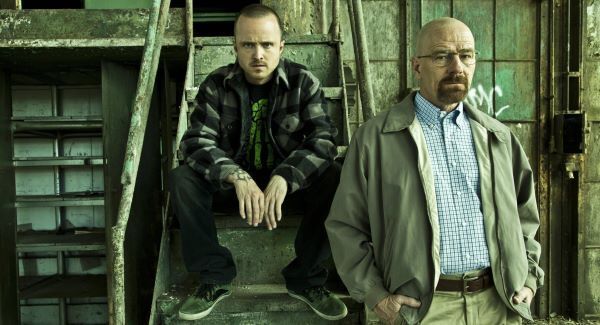
Breaking Bad? 62 episodes, are you having a laugh? Game of Thrones? I managed just the first half of the first season — a year after it premiered. House of Cards? Waiting for me on Netflix, when I get a spare few days (or weeks). But, wait, I did see the BBC original. True Detective? I don’t have Sky. Borgen? Just catching up, thanks to the wonderful TG4. Girls? Give me a break.
And that’s just the message. What about the medium? Box-set? Streaming? DVR? If you don’t fancy remunerating the people who made the shows for your pleasure, there’s illegal downloading — which doesn’t cause anybody any shame anymore. Or, you could — whisper it — actually watch it on the small screen, as scheduled.
I have finally admitted defeat. My years of surfing the cultural zeitgeist are over. Television’s ‘golden age’ has left me with a serious case of box-set burnout. Television has become the new movies, with people forgoing the €10 cost of a ticket — to see the latest lacklustre instalment of an endless franchise — to instead stay at home and watch something they know they’ll love. And you won’t be seething over the price of the popcorn. There has been a revolution in the way we view programmes and the numbers of platforms on which we do it. We take event television for granted: its production values equalling, and often exceeding, those of Hollywood movies.
But television viewing seems to have become a competitive activity. Where, once, watching television was a pastime verging on the anti-social, to be indulged in moderation, now it is acceptable to boast of box-set binges that go on for weekends or even longer.
Television is where it’s all at, to the extent that an actor can win an Academy award while also starring on a cable network show (Matthew McConaughey). It is probably a hard concept for the younger generation to grasp, but not that long ago, when television and movies occupied their own arenas, actors rarely worked in both mediums and cinema was the more exalted. Now, top actors — and directors — are clamouring to collaborate with networks, such as HBO, and streaming kingpin Netflix.
Television used to be the model of delayed gratification — waiting from one week to the next to see what was happening on your favourite show. Spoilers were something you fitted to your car, and a nation waited months to find out who shot JR, on Dallas. I look forward to telling that to my children, for whom “on demand” is an inalienable right.
Whereas, before, ‘downtime’ was flicking through a magazine, listening to the radio, reading a book or going for a walk, now box-set bingeing is a legitimate form of relaxation. With its proliferation of quality dramas and smart comedies, TV is no longer vulgar or low-brow. Analysing the intricacies of plot in Breaking Bad, or the metaphysics of True Detective, has become a high-minded pursuit. A US college even offers a course entitled ‘Mad Men: Media, Gender, Historiography’.
I don’t begrudge anyone enjoyment of their college credits, but isn’t everyone missing a basic point? The pleasure of the plot? So many episodes, so little time. There’s a strong case, surely, for holding back on the multi-series gluttony in favour of a couple of dishes at a time and sparing the palate. I have now whittled my consumption down to a positively old-fashioned double bill of The Good Wife and Nashville, which I look forward to with relish on Thursday evenings. And the occasional episode of Friday Night Lights. Beyond that, my new resolution is to reacquaint myself with my bookshelves. Or at least my Kindle. Just let me finish my season-two box-set of Borgen first.















