Less sugar, less protein - how to interpret new nutrition guidelines

The WHO has decreed that added sugars should contribute no more than 5% of our overall daily energy intake, halving their previous 10% recommendation in this area.
This guidance comes on foot of strong evidence from population studies and controlled feeding experiments which have clearly demonstrated that high sugar intake, especially in liquid form, significantly increases our risk of obesity and metabolic disorders like diabetes.
The problem, however, is that very few people know how to translate this sound nutritional advice into appropriate dietary changes to help them meet this target.
You first have to be able to calculate (or at least estimate), your total energy intake — this differs markedly between different individuals and is influenced by body size, body composition (ie muscle versus fat), gender, age and activity levels.
Even when a person is able to work this out, further challenges arise. If for example, my total daily intake comes in at around 2700 calories, implying I should stay below 135 calories per day (or 5% of the total), from sugar, what does this mean in terms of food?
There are four calories in each gram of sugar, which means that the 135 calorie limit actually translates to a threshold of around 34 grams of sugar per day. But people aren’t sufficiently interested to scrutinise the label of every food that they consume, calculate the amount of sugar contained in what they ate or drank, and to add all of these figures together at the end of the day.
Also, in the improbable event that they did, the inclusion on the food label of all sugars — not just the restricted ones like sucrose, glucose and fructose — would further complicate comparison.
The final difficulty is a pragmatic consideration — how do you get the Irish population, whose sugar intake averages around 90-100 grams per day (16-17% of energy), to cut their sugar intake by two thirds?
It’s helpful to remember that simple, food-based dietary guidelines are really the most effective tools we have to improve our nutritional intake. The traditional advice to minimise sweet foods like biscuits, cakes, confectionery and, particularly, to exclude or minimise the amount of sugar taken in liquid form from fizzy drinks, juices and sweetened teas and coffees, still holds true, and is unlikely to change.
The second headline which caught my eye was one about protein, where researchers from the University of Southern California suggested that high protein intakes in middle age quadrupled the risk of death from cancer, (an increase in risk similar to that incurred by smoking 20 cigarettes per day), and increased the likelihood of death from all causes by 74%.
However, Dr Valter Longo, one of the study authors, also conceded that there didn’t appear to be any increased risk associated with high protein intakes from fish or vegetables. The more appropriate advice here may be to recommend that adults reduce their intake of red meats in favour of increased oily fish intake. Again, this isn’t really a new departure from what’s already recommended for best health outcomes.
So, if you’re after effective and practical advice to improve your diet, following the standard advice enshrined in the food pyramid — incorporating plenty of wholegrains, fruit and vegetables, small amounts of lean protein, minimal fats and oils, and as little sugar and salt as possible — is still the best way to go.

Finely chop two cloves of garlic, a bunch of scallions, a handful of coriander, a few sprigs of flat-leaf parsley, a large raw carrot and a red chilli pepper.
Mix together in a large bowl and stir in two tins of drained, rinsed cannellini beans and one tin of drained, rinsed broad beans.
Separately, mix 50mls of extra virgin olive oil with 20mls of white wine vinegar, pour this over the contents in the bowl and mix thoroughly to create this delicious, healthy treat.
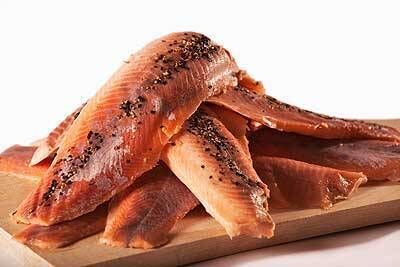
Oily fish — mackerel, herring, trout, salmon, tuna, sardines and pilchards — are rich in Omega-3, a special oil associated with improved heart health and brain function. These oils are also thought to reduce inflammation, an important factor in many serious diseases including heart disease, stroke and some cancers.
Aside from their Omega-3 content, oily fish are also rich in vitamins A and D, important nutrients for immune function and bone health which many Irish people lack in their diets.
The other main benefit of oily fish is that they displace red meats and processed meats from the diet, helping us to cut down our intake of cholesterol-raising fats.
This is a powerful antioxidant nutrient found in rich quantities in red onions, broccoli, berry fruits and in very high amounts in capers. It has been associated with several potential health benefits including anti-viral activity, improved blood glucose control, anti-inflammatory activity and reduced risk of certain cancers, as well as improved brain function in older adults.
CONNECT WITH US TODAY



Be the first to know the latest news and updates









