Exploring the realities of Happy Wives Club dos and don'ts
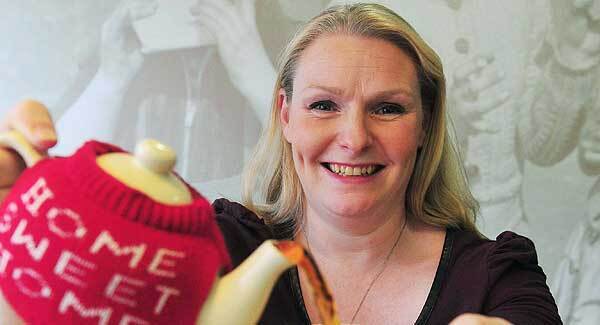
“My love for you,” I hazard, in my first attempt at buttering him up under this Happy Wives’ Club regime.
He bursts out laughing and walks away, muttering about how hilarious I am.
Second attempt. I gaze into his eyes and say, “I value you, I’m grateful for you, I can only strive to live up to you. Things you do with ease, I struggle with” (Something the creator of this club says on a daily basis to her husband). He laughs so hard it triggers an asthma attack.
After 10 years of marriage and heading into our 17th year of dating, we must be doing something right, but, according to Fawn Weaver’s Happy Wives’ Club, I am just not doing enough.
Women have to be grateful 24/7 for their husbands — but not a mention of him appreciating you. Every morning, for a month, I’m supposed to write down all the things I’m grateful for about my husband, different things each day (is that even possible?) but if I run out of genuine examples, am I allowed to resort to things like ‘he’s not fat,/bald/senile/doesn’t beat me’?
My main task, though, as part of this experiment, is to stop nagging and praise him instead. This is going to be tough.
I note, with interest, that Fawn Weaver and her husband have no children and both have high-powered jobs, probably with an army of cleaners behind them, and so are effectively just dating. Not for them the struggles with bills or trying to remain civil to each other after four sleepless nights with a sick child. No such luxuries in our house. With three children who have to be ferried to and from school, fed, watered, exercised, brought to activities, not to mention running a house with five people in it, juggle jobs, friends, and a marriage, it’s hard not to nag when something is forgotten and the fragile system keeping our household together threatens to come apart.
For example, having put on the Sunday roast and prepared the veg, I ask himself to put on the potatoes while I visit a friend. I arrive home at 5.30pm to find everything cooked — except the potatoes. Now he had done roast potatoes, but two of the children will only eat boiled.
“How, in the name of God, did you forget to put on the potatoes,” I snap, as I bustle upstairs to put the children in the bath before dinner to speed up the bedtime routine.
I take a breath and ask myself, ‘What would Fawn do’?
During dinner, I say ‘thank you’ for our meal, prompting a flurry of thanks, for the delicious food, from the children. Happy husband, happy wife.
But isn’t saying ‘thank you’ just basic manners? It’s also something I do all the time.
While Fawn is right about the nagging, I am not sure she is right about everything she recommends.
I’m supposed to also make a list of my husband’s 10 most annoying habits, and then forget them. How is that even possible?
Is she offering lobotomies on the side? Making a list of someone’s good points is fair enough, but surely it’s never advisable to make a list of your partner’s bad points — what if they found it?
We have all seen that episode of Friends (well, people of my generation anyway) where Ross is encouraged to make a list of Rachel’s bad points, which, for him, includes fat ankles, her one big insecurity.
Weaver also advises asking your husband to grade you as a wife, on a scale of one to 10, and to list the points where you could improve your performance. This sounds pretty close to that ad warning about abusive relationships, where the man is controlling and modifying your behaviour.
She also helpfully points out that all men have an ego and when you “build them up, and let them know how much we love and appreciate them, this frees them to love us fully”.
But constantly propping up someone’s ego, at the expense of your own, is not advisable for your own mental health. We all have to let things go — that sharp comment, unkind words about in-laws, the bin that wasn’t put out — but not to the point where you would need to be medicated to get through the day.
Some of Weaver’s advice is good, however. For example, she points out that men don’t sit around bitching about their wives, so maybe you shouldn’t either.
It’s not a bad idea to seek out people who are happy in their marriages and distance yourself from those in toxic relationships who relish in others’ bad patches.
On the whole, though, I think Fawn is missing the point. My understanding of marriage is that two people are supposed to be working together, not just one person. Marriage is a fragile thing: too much attention and it can be smothered; too little and you are soon just housemates drifting apart.
It is not up to just one person to constantly fire fight, to be the one ensuring the other is constantly happy at the expense of their own feelings. How many times can you hold your tongue about what you really think before it chokes you?
My husband loved being praised all the time, but, then, so would I. It’s just not possible or practical all the time, but we could all take a little more time to be kinder to each other, or to be more thoughtful.














