A story for all time
Kenyan-born Ngugi wa Thiong’o is an acclaimed novelist and playwright, and a perennial favourite for the Nobel Prize. His writing has unflinchingly explored the effects of colonisation, Empire, capitalism, racism and the suffocation of culture.
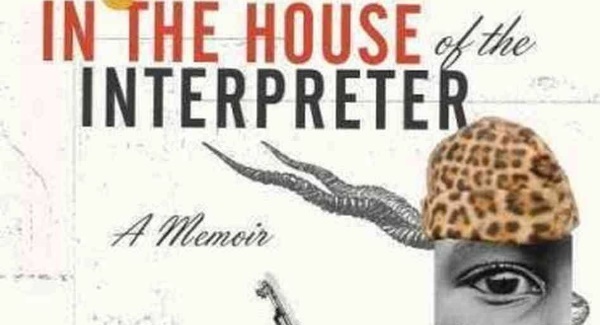
In the House of the Interpreter is a volume of memoir, his second, following on from 2010’s Dreams in a Time of War. A familiarity with this previous book is beneficial but not strictly necessary, because it stands as an independent and thoroughly absorbing read, one possessed of a clear focus: to chart the author’s intellectual journey against the war-torn backdrop of country, village and family. It is a quest for enlightenment and freedom; an attempt to balance striking dichotomies that even, with the perspective of time, seem untenable; and, throughout, a struggle for simple survival.
The year is 1955. Due to his academic excellence, the young Ngugi has been accepted into Africa’s premier school, an elite British-run academy known as Alliance High, under the charismatic tutelage of Edward Carey Francis. The future of a nation lies within these walls, and the education is electrifying to a young mind, in particular the revelatory exposure to literature.
Treasure Island sparks the imagination. Shakespeare’s sonnets, for their apparently magical qualities with regard to wooing girls, are absorbed by heart, and a production of As You Like It instils an abiding love of theatre. The Biggles adventures and King Solomon’s Mines thrill even as they awaken a certain disquiet. And finally, there is Tolstoy, awakening the passion to write, and to record his own childhood.
But this is only one side of the story. Beyond the walls of school, a war is raging, the fight of a nation for independence from the Crown. And Ngugi is, ethnically, Kikuyu, and bound by blood to the Mau Mau Rebellion.
His brother, Good Wallace, is a rebel fighter being hunted by the British on Mount Kenya; Good Wallace’s wife has been arrested on suspicion of collusion; and even his mother is, for a time, detained and questioned. The book opens with a harrowing scene of the young author returning after his first semester to find his homestead razed and his family and village forcibly resettled.
The structure of the book is beautifully crafted, swaying back and forth between the idyll of school and the horror of the world at large. It offers vivid glimpses of a Kenya in its last years before independence, and of an Empire beginning to come apart, and for these reasons has great historical value. More than that, though, it is a story for all time.
* Purchase this book at exa.mn/bookstore















