Do recurrent bouts of cystitis spell the end for my sex life?
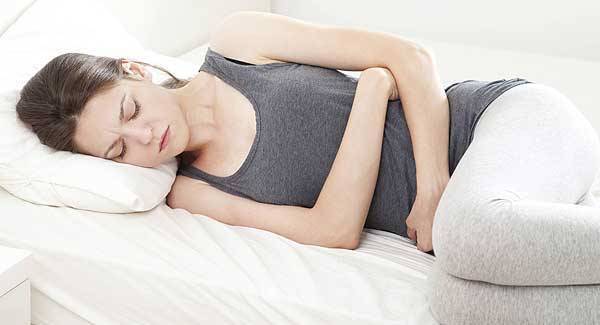
My doctor gave me antibiotics, which I take every time it flares up (once a month) and my boyfriend is understanding, but it makes me less keen to have sex because I know that the more sex I have, the more it aggravates it. Is my sex life ruined forever?
If you haven’t already done so you should get your GP to refer you to a urologist and you should also get yourself checked out at a sexual health clinic.
You need to find out what type of cystitis you have because there are different kinds.
Cranberry juice and cranberry tablets, for example, which are a staple for the regular cystitis sufferer, can make urine more acidic and cause further discomfort for interstitial cystitis sufferers. And although Kegel exercises (kegel-exercises.com) are encouraged for people who suffer from cystitis, the American Urological Association recommends that people with interstitial cystitis avoid exercises that strengthen the pelvic-floor muscles.
Bacterial cystitis is the most common kind and it generally responds to antibiotics. Interstitial cystitis doesn’t because it is an incurable inflammation of the bladder wall, which may be caused by a defective bladder lining, or be a form of autoimmune disorder.
Since you have already been prescribed antibiotics, I am presuming that your GP has done a urine test and found a bacterial infection. Even so, the fact that you are getting it so frequently suggests that short-course antibiotics are not working.
You need to ask your GP to consider putting you on a long-term course (six to nine months) of low-dose antibiotics to knock the underlying infection on the head. Alternatively, try taking a single dose of antibiotic within two hours of having sex.
Before you have sex, ensure that you are both squeaky clean by incorporating a shower into foreplay, but steer clear of perfumed bubble baths, shower gels, soaps and vaginal deodorants. Use plenty of natural lubricant and avoid spermicides that can kill the “good” bacteria in your vagina.
If your boyfriend uses condoms, ask him to switch to a non-latex brand. Similarly, diaphragms can prevent the bladder emptying fully.
Some sexual positions can feel worse than others, but establishing which ones work is a matter of trial and error. It is, of course, important that you spend plenty of time on foreplay so that you are fully aroused before sex, but don’t get too hung up on penetration. When your cystitis flares up, there are other ways to have fun.
After sex, empty your bladder as soon as possible to get rid of unwanted bacteria and try freezing some non-latex condoms filled with water and inserting one, with lubrication, into the vagina after sex.
There are also a number of other things that you could try to minimise irritation and reduce the risk of triggering an attack. Drinking 1½ litres of water a day, wearing cotton underwear, maintaining good personal hygiene and always wiping from front to back when you go to the loo will all help.
Keeping a food diary may also be important. Certain foods such as spicy foods, aged cheeses, tomatoes, fruit juice, chocolate, red wine and bananas, caffeine and alcohol are thought to aggravate symptoms. Try an interstitial cystitis elimination diet (ichelp.org). You can get more information about cystitis through the Cystitis and Overactive Bladder Foundation (cobfoundation.org) or in Angela Kilmartin’s The Patient’s Encyclopaedia of Cystitis, Sexual Cystitis, Interstitial Cystitis.
¦ Email your questions to: suzigodson@mac.com















