Pixie McKenna on Super Size Ireland: Eat less and exercise more
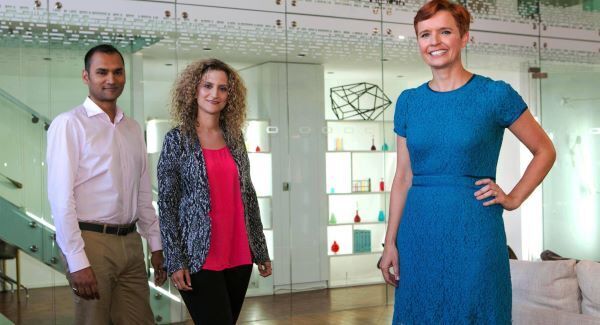
Straight-talking Dr Pixie McKenna is unflappable on Channel 4 TV show, Embarrassing Fat Bodies, but off-screen the Cork native is fearful of the health implications of the expanding Irish waistline.

Pixie McKenna on Super Size Ireland: Eat less and exercise more

The number of overweight children here has tripled in the past 30 years, and Dr McKenna’s diagnosis is candid. “People eat too much. They eat too much of the wrong thing and they don’t exercise,” she says.

Until recently, she commuted weekly from the UK to her clinic in Glasheen, where her father, a GP, served the community for 43 years.

“We had to man the phones from a very young age, so if patients weren’t ringing the doorbell, they were telling us their medical woes on the telephone. I also filled in as the surgery receptionist on school holidays. From as long as I can remember, I wanted to be a doctor,” she says.

Embarrassing Fat Bodies presents health problems in graphic detail. One woman had a stomach hernia so large she looked pregnant. She weighed 23 stone. “It was mammoth, very heavy and very uncomfortable. It looked like a full-term pregnancy and was really getting her down. She needed to lose weight to have the hernia surgery, but couldn’t exercise, because of the size and discomfort of the hernia. Her joints were also shot, because of the excessive weight. This was getting her down and, in turn, this meant she ate more, so it was a vicious circle,” Dr McKenna says.

Weight loss can be problematic. Two Embarrassing Fat Bodies success stories were left with great folds of excess skin. “One did so by means of surgery, and the other got on his bike and spent two years cycling to achieve his weight-loss. Both were successful, but both were left with masses of excess skin. They literally looked like they were encased in a fat person’s skin, as it was just draped around their skeleton,” she says.

“When they got undressed, what they saw in the mirror made them shudder.”

One in four primary-school children in Ireland is overweight or obese, according to Temple Street Children’s Hospital childhood-obesity treatment programme. The negative impact of obesity in childhood includes respiratory, cardiovascular and metabolic effects, poor self-image and poor quality of life.

Sixty percent of children referred to the programme experienced psychological difficulties, including poor self-esteem and depression, and 11% reported being bullied. Our children are suffering because we are passing on poor eating habits. “While people don’t like to be told, the truth of the matter is that we are seeing obesity spiral because people eat too much, they eat too much of the wrong thing, and they don’t exercise. Inertia and convenience food are to blame for the majority of the problem. We need to get back to basics and get kids out exercising and away from computer games and social-networking sites. Parents need to lead by example,” she says.

The hit TV series probed personal issues with food, but also societal influences. “We all have a relationship with food and, believe it or not, most of us spend more time eating, thinking, and talking about food than we do with our families on a busy working day. We have comfort food, celebratory food, food for special occasions, seasons, special treats. Think about how we celebrate our birthday, with cake. We go out to lunch after a funeral, weddings focus very much around the meal. If we want to socialise with our friends, we go out to dinner. Our food behaviour is as important as how we eat,” she says.

Busy lifestyles contribute, but Dr McKenna doesn’t accept weak-willed excuses. “My patients always defend themselves by saying they have no time to exercise. I then cite the example of Barack Obama. He goes jogging with his CIA agents. If you are busier than Barack, fair enough, I except you can’t exercise. Otherwise, on yer bike,” she says.

Her aim is to change people’s behaviour. “Many of us eat alone, which means we are far more likely to fall into bad habits, or we grab a snack in the car, or for the bus journey. Most snacks are full of fat, sugar, salt and calories. Who is going to buy a carrot when there’s a caramel square on offer? The pace of life has meant families often don’t sit down and dine together, or those of us who are at work are desk diners. All of this leads to bad habits, quick fixes, over-eating and takeaways.

“We have become chained to our TVs and tablet devices and are more likely to sit in and watch a film, or update our social network profile, than go for a walk or a run. On average, many of us watch the goggle box for four hours a day. That’s four hours that could be better spent exercising. If we are taking in the calories, we have to burn them off. Yet how many of us jump in the car to go the shortest distances, when we could be fitter and more environmentally friendly by walking?” she asks.

The Embarrassing Bodies format might be difficult to implement in Ireland. “Irish people are definitely more bashful and less likely to have an on-the-spot consultation with a GP and a camera crew if their particular problem makes them blush,” she says.

There’s nothing bashful about Dr McKenna’s no-nonsense TV approach. But poisoning our children with shabby food habits is not funny. “We used to laugh at the super-size culture in the States, but now we can only laugh at ourselves, as we have caught up with them,” she says.

* Pixie McKenna’s new show, Health Freaks, puts homespun health remedies to the test. Mondays, Channel 4, at 8.30pm.

More in this section

Cookie Policy Privacy Policy Brand Safety FAQ Help Contact Us Terms and Conditions

© Examiner Echo Group Limited













