Advice if your child is favouring one parent over another
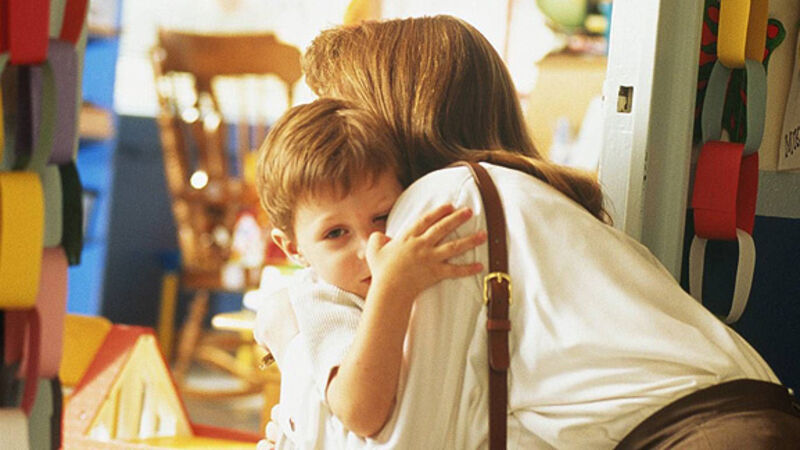
One to six-year-olds may well gravitate more towards their mother, says parent coach Sharon Byron-Smith.
“If mum’s more omnipotent in a child’s life, he can develop his primary attachment to her. She has the key role, fulfilling his physiological and emotional needs. She’s a conduit for his communication and information, so he talks to her, she responds to him. She’s the one relaying information to the other parent.”
It can be challenging and upsetting if your child is going through a phase of appearing to prefer their other parent. If your one-year-old saves all her hugs for Daddy or the three-year-old insists on Mummy putting him to sleep every night, it’s important the other parent doesn’t withdraw in a huff. It’s best to meet the situation with acceptance and maturity, says Byron-Smith.
“It takes nurturing and patience but it’s relatively easy to re-connect and re-form a relationship. Remember what worked between you and your child in the past. Talk to the other parent and let them move back a little — ‘I’m going to do the jigsaw with you tonight – Mummy has to go upstairs’.”
Byron-Smith advises always having in the back of your mind the question, ‘Is what my child’s exposed to in my care of him promoting good social, emotional and physical development?’. “Tweak any aspects that aren’t,” she counsels.
Focus on the quality of parent-child relationship. “People can parent in a very functional way without igniting anything in the child — they can be physically in the room, reading the newspaper but ignoring the child,” she says, adding that studies show children withdrawing somewhat if parents don’t smile at their children. “Look at the child’s interests. Plan activities that are new or fun,” she urges.
The favoured parent needs to nurture the child’s relationship with the other parent. If the child is highly attached to one parent, never wanting to leave their side, and is a bit shy with the other, parents need to negotiate building up more time spent with the excluded parent. Byron-Smith cautions that over-dependency isn’t good for children.


CONNECT WITH US TODAY



Be the first to know the latest news and updates