Pinprick changed our lives
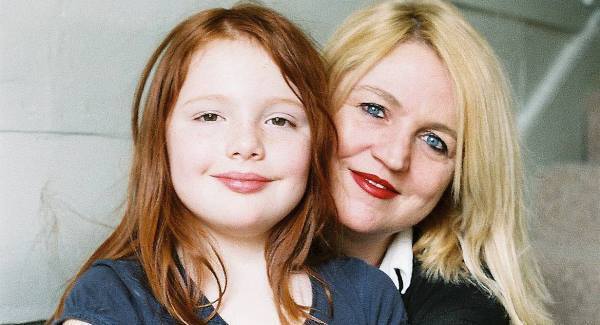
Her stomach hurt. Her terrified eyes were wide-open, but she looked to be in a trance.
We drove to our nearest A&E, where a nurse did a finger-prick blood test.
Five minutes later, the nurse asked a question that would change our lives: “How long has Velvet been diabetic?”
My husband and I stared blankly at the nurse, but we were both thinking the same thing.
In the previous week, we had noticed that Velvet had started going to the toilet in the middle of the night, and, just that day, I had remarked that her urine had smelt like pineapple.
Three days later, the diagnosis was confirmed. Velvet had type 1 diabetes, an auto-immune disorder that destroys the beta cells in the pancreas and stops the body producing insulin. Without insulin, Velvet could not regulate her blood-sugar levels or convert sugar into energy.
As a consequence, her body had begun to use her fat stores as an energy source, which had built up toxic ketones in her body.
Left untreated, ketones can cause diabetic ketoacidosis, which can result in coma or even death.
Ninety years ago, sweet-smelling urine meant that a child had less than a year to live, but the life expectancy for a type 1 diabetic is still 15 years shorter than average.
The onset of the disease, which affects 3,000 Irish children, can take months, but some children, like Velvet, develop the condition in days and very few parents are aware of the initial symptoms.
According to Diabetes Ireland, between 50 and 60 children are diagnosed with type 1 diabetes annually. Unfortunately many of these have life-threatening diabetes ketoacidosis at diagnosis, which is a preventable condition.
The most obvious signs are extreme thirst, frequent urination, tiredness and sudden weight loss, although children may also experience increased appetite, blurred vision, abdominal pain, a fruity odour on the breathe or urine, laboured breathing, and even unconsciousness.
Although there is a genetic component, most people who have the anomaly don’t develop the disorder.
There is, instead, mounting evidence that vulnerable children develop the illness after being exposed to common viruses, such as cold or flu.
Children with type 1 are almost ten times more likely to show signs of these infections, which is why hospitals often see batches of diabetes diagnoses at the same time, and why more children seem to be diagnosed in winter.
Once the consultant confirmed the diagnosis, everything happened very quickly.
A diabetes nurse showed us how to test Velvet’s blood-sugar, by pricking her finger, catching a sample of blood on a test strip and taking a reading.
Then, she showed us how to administer the meal-time and night-time insulin that Velvet would require every day — for the rest of her life.
We were sent home from the hospital with an emergency telephone number and a big bag of equipment. It was terrifying. We didn’t have a clue what we were doing and we had to pin our screaming child to the sofa every time we injected her.
The following months were a steep learning curve.
Normally, blood-sugar levels range between 4mml (millimoles per litre) and 7mml, but Velvet’s will often go below 2mml (hypoglycaemia) or above 25mml (hyperglycaemic). She can appear drunk when she has high blood-sugar, and when she has low blood-sugar she goes deathly white and lies on the floor, unable to move until I can get some glucose into her.
Hypoglycaemia is more scary, because it can happen so quickly, and if her blood sugar dips while she is asleep she could drift into a coma and die, so if she is running low we set alarms and test her through the night.
Velvet is only seven, but the tips of her fingers are pockmarked from blood tests and her body is constantly covered in little bruises, from the injections. We’re now on a waiting list for an insulin pump. It is by no means a perfect system, but it will, at least, cut out the injections.
An artificial pancreas is in development, but a cure remains elusive.
When she was first diagnosed, Velvet would ask us when she would get better and we’d dodge the question, but now she understands that her diabetes is for life.
She rarely complains about it and her ability to adapt never ceases to amaze me. Very few children of seven understand what a carbohydrate is, but Velvet’s nutritional comprehension is unbelievable, as is her self-confidence.
I asked her recently whether it bothered her that she had diabetes and she held out her two hands. Raising her right hand, she said “on the one hand, I wish I didn’t have to have all the injections,” and then raised her left hand and said, “but on the other hand, it makes me feel special”.
CONNECT WITH US TODAY



Be the first to know the latest news and updates

















