Not leaving their education to chance
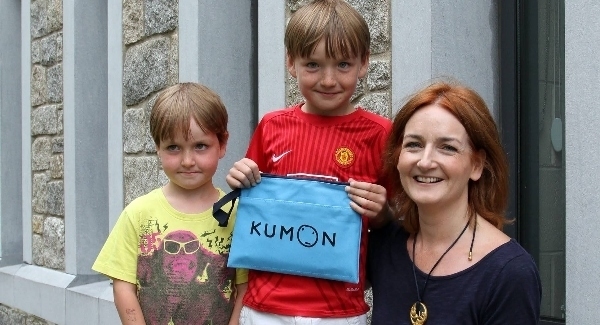
SHANKILL-BASED Karthik Somasundaram and his wife, Balapriya, enrolled their five-year-old son Pranav, in a Kumon maths programme when he was three.

Not leaving their education to chance

“At the age of three, he was fond of numbers, the alphabet and phonics. He could count to 10. We thought he had some potential,” says Karthik, a computer programmer. “After doing some initial exercises with a tutor, Pranav said he wanted to do this. Maths is the foundation for everything — we just thought ‘is there any way to harness his potential’?

“Some of our friends really discouraged us. They said when he went to a bigger class and he knows most of the stuff, he won’t be listening. He’s doing the maths programme over a year now and it’s really helping him. He’s happy, focused, and dedicated to what he’s doing. He likes to challenge himself and has really matured.

“He has just completed junior infants. He goes to swimming classes and he wants to go to soccer in September. He plays with friends in the estate where we live and, at home, he likes doing jigsaw puzzles and playing little ball games with me.”

* Niamh Herron’s children — Sarah Jane, ten, David, seven, Conor, five and Tara, three — love playing in the garden or on the trampoline. Sarah Jane has a passion for tennis, David and Conor love football, and Tara likes playing. All four study on the Kumon programme. “My neighbour’s son is the same age as David. They’d both just completed junior infants and the other boy could do things my son couldn’t,” says North Dublin-based Niamh, who stopped working as a solicitor after her third child was born.

“I wouldn’t have known what David was like academically, but how was another child, the same age as him, having completed the same level of school, able to do things he couldn’t? He’d been exposed to maths that my son hadn’t. I thought ‘why am I limiting what he’s doing? If he’s exposed to this, perhaps he’ll be able to do it, too’.

“That’s when I enrolled my first three children in Kumon, in July 2011. I was impressed. David moved very quickly through the maths programme, yet at his own pace. He was exposed to things he wouldn’t have come across in school. In maths, they use the carry method in school, because all children, regardless of ability, can follow it. But not all children need to use this, not if they have strong mental-calculation abilities.

“Kumon has given them an advantage. It’s about a child being able to sit down quietly, focus for 10 minutes, listen, and follow instructions. It helps concentration skills. All of this helps at school — they have greater attention span and focus.

“You wouldn’t do this [extra tuition] if your child didn’t want to. I limit their Kumon work to 10 minutes a day. They have great confidence. When they’re doing something they enjoy, it makes the school experience nicer. If a child falls behind in school, they lose confidence and disengage. As parents, we all want our children to be happy — being happy at school comes, to some extent, from feeling you’re achieving and you’re able to do what’s asked”.

Niamh, who has become a Kumon instructor, says Ireland is down in international rankings in terms of maths and reading capabilities. “At the end of the day, it’s in an international community that my children are going to be looking for jobs in. I’m not prepared to leave their education to chance and hope the schools will do a good job. I’m going to be involved proactively.”

More in this section

Cookie Policy Privacy Policy Brand Safety FAQ Help Contact Us Terms and Conditions

© Examiner Echo Group Limited













