Tarantino lets loose
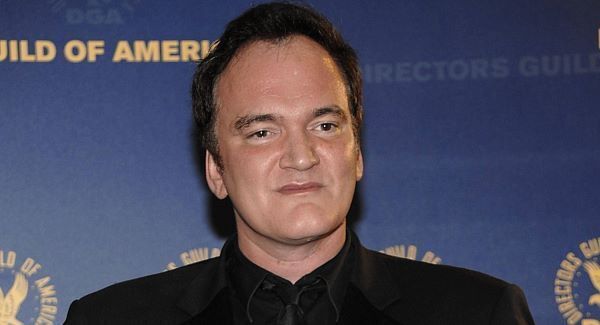
The lack of a respectable film detailing the impact of slavery on the US fascinated both die-hard film buffs. Eventually both men â who met on the set of Jackie Brown in 1997 â became obsessed with the idea of crafting a no-nonsense, somewhat entertaining film detailing the lesser known aspects of slavery. After one conversation with Hudlin stuck in his mind, Tarantino went to work on an all-or-nothing script. Six months later, Django Unchained was born.
Set in the South just two years before the Civil War, Django Unchained somehow masterfully manages to present the haunting brutality of slavery while also infusing an outlandish humour only Tarantino could bring to the big screen. Moviegoers will be treated to the often controversial directorâs deep love for the spaghetti western genre along with a blazing narrative of one manâs desire for vengeance and love. After being freed by a German bounty hunter, Django (Jamie Foxx) helps him track down a few bad guys for profit and then goes on a mission to find and free his enslaved wife (Kerry Washington).
âI was always amazed so many Western films could get away with not dealing with slavery at all,â says Tarantino.
âHollywood didnât want to deal with it because it was too ugly and too messy. But how can you ignore such a huge part of American history when telling a story in that time period? It made no sense.â
It didnât make much sense to Hudlin either. The director of the popular â90s films House Party and Boomerang says he was baffled by the sugarcoated and abbreviated tales. âI hated all those films about slavery over the years. Any time Hollywood did deem it OK to talk about slavery, they were not worth watching,â says Hudlin, who is Django Unchainedâs executive producer. âMy idea of a great slave movie was Spartacus. Until African-American slavery was treated in that same manner, I had no interest in hearing what Hollywood had to say about the issue.â
With only two years of age separating Tarantino and Hudlin, they watched the same slavery-themed films as young kids â and then grew to hate them as adults. Titles such as Mandingo and Uncle Tomâs Cabin roll off their tongues with joint eye rolls and audible sighs. The notable period film Glory, starring Denzel Washington and Morgan Freeman as freed slaves serving in the US Army, gets an honorable mention nod from Hudlin.
âI liked the black characters in Glory,â says Hudlin, whose great-grandfather was a conductor on the Underground Railroad. âDidnât see the point of the white ones. The true story was the slaves in the film. They should have been the main focal point of the entire plot. But somehow no one figured that out.â
The faults of Glory aside, not much compares to the anger both men harbour toward the landmark television miniseries Roots. Written by Alex Haley and hailed in 1977 for telling the âcompleteâ story of slavery, Roots remains the third most-watched miniseries of all time. It is also still considered the definitive mainstream portrait of slavery in the US.
âWhen you look at Roots, nothing about it rings true in the storytelling, and none of the performances ring true for me either,â says Tarantino.
âI didnât see it when it first came on, but when I did I couldnât get over how oversimplified they made everything about that time. It didnât move me because it claimed to be something it wasnât.â
While many white directors might shy away from criticising such an iconic symbol of African-American culture, Tarantino doesnât hold back. Heâs confident in his knowledge of a time and subject most people know little about and would rather forget. He was also savvy enough to bring Hudlin on board.
âThere were times when Iâd be filming a scene and really getting into it and Reg would just say, âHey is this the story you wanted to tell?â Heâd bring the focus back if I got too carried away.â
One thing both men agreed on was a scene in Roots that served as an example of what not to do in Django Unchained. The last act of the final episode features the character Chicken George being given the opportunity to beat his slave master and owner in much the same way heâd been punished and tormented.
In the end the character chooses not to so he can be âthe bigger man.â
âBullshit,â exclaim both Tarantino and Hudlin in unison as they discuss the absurdity of the scene. âNo way he becomes the bigger man at that moment,â says Tarantino. âThe powers that be during the â70s didnât want to send the message of revenge to African-Americans. They didnât want to give black people any ideas. But anyone knows that would never happen in that situation. And in Django Unchained we make that clear.â
Tarantino recalls a memorable scene where Jamie Foxxâs character is also given the opportunity to beat his former owner after he becomes a free man.
âIt was an emotional day on set and everyone was talking about how brutal it was because he beats the white off of his captor,â says Tarantino unapologetically.âThere was no way that wasnât going to be a part of the movie.â
Foxx shines as a man driven to punish those who tortured him, while also yearning for his wife, who was sold to another plantation years before.
âItâs really important that this story is also a love story about a black man and a black woman,â says Hudlin. âIn the midst of all the horrible things going on during that time, this man was in love and wanted his wife back. You donât see black men in love too much on the big screen in slavery days, or modern times either.â
In a film already full of twists (not to mention costars Samuel L. Jackson and Christoph Waltz), Leonardo DiCaprio throws the ultimate punch portraying the young, handsome, rich plantation owner Calvin Candie. He owns Candyland plantation, where Djangoâs wife is being held, and thrives on the suffering he causes. The role is a marked departure for DiCaprio, who has spoken about how difficult the subject matter was to read, act, and convey on the big screen.
âHe really embodied that entitled young male character perfectly,â says Tarantino. âHis grandfather owned and made the plantation successful and his father kept it going in the movie. But DiCaprioâs character is just this kid whoâs done nothing for the life heâs living. Heâs living it up all the way with his decadence and greed, with no concern for how he got it.â
But neither an A-list cast nor Tarantinoâs past box office hits will be enough to save Django Unchained if moviegoers decide not to support a film that focuses so intensely on one of Americaâs darkest hours.
Slavery is a subject both black and white audiences tend to avoid in cinemas. Yet Tarantino and Hudlin say the timing for Django Unchained couldnât be better.
âThe dynamics of the country are changing and people are talking about that,â says Tarantino.
âThis time in history is a part of that conversation, and I love that weâre out there talking about it in the middle of the other films about Lincoln and whoever.
âI may take flak but I always do on some level with my work. Wouldnât be a Tarantino film without some flak and criticism. I bet anyone who sees the film wonât be able to forget it â and thatâs the point.â
* 2012 Newsweek/Daily Beast Company LLC. All rights reserved.
* Django Unchained is released on Jan 18














