No shame in the ageing process
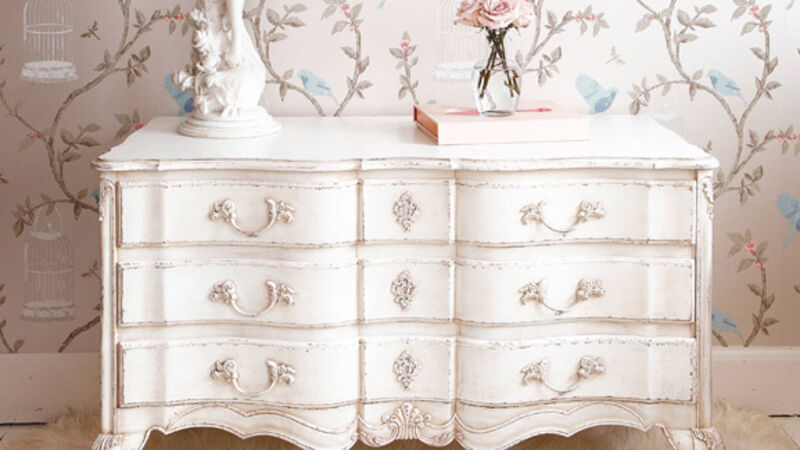
It takes a certain kind of courage to proudly show the passing of time, but under the skin, lie the bones and as they say, ‘quality will out’.
In the same way, it takes confidence to celebrate furniture and entire interiors with an honest history written plainly on their surface.
Even in the most polished modern interior, a beautifully aged thing can sit with pride and presence.
Wood buffed to a melting toffee of wax, dust and touch. Metal chipped of its first enamelling from the belts of vacuums and the clatter of a thousand tea cups.
Mirrors clouded or ‘foxed’, the silver backing of a glass scattered like tiny leaves and lodged invisibly in the frame. Before ‘restoring’ something to band box perfection, take another look.
Serious collectors of antique painted furniture are purists, and most prefer their pine not dipped and stripped, but what is termed ‘in the paint.’
This is the original condition of a modest piece which has been rudely repainted in the farmhouse as needed, with whatever colour was lying around, and without much preparation.
Everyday use and the slight sheen of the paint beneath will eventually slough off the top coat showing the original plumage and the variety of colour makes for a really charming look.
If you’re lucky enough to find a rustic piece of furniture in this condition and otherwise sound, stabilise the worst of any flaking with a soft rub of a dry nylon pot cleaner, clean the surface gently with a solution of sugar soap, wax it up and leave it alone.
In the case of a valuable antique or something you’re not sure of, get professional advice before advancing for more than a swat with a soft non-piling cloth.
I recently found two old hotel lockers — practical, cheaply veneered 1970s pieces but heavy and serviceable — €10 a piece.
Painted hunter green, they had over time faded to a mid grey on the sides and the top surface of varnish has crackled over a golden veneer.
Waxed over with a dab of Malones Lavender Polish (€4.99 a tin) to catch in the open crevasses, they squeak under the line of mid-century modern. I love them.
Look out for tables, chairs and sideboards that have been faded and changed by time and light.
To recreate a layered look, find a structurally sound piece of drab wood furniture with a good shape, or even a brand new piece in softwood (any large hardware shop will have budget pine this and that).
Bare wood is a perfect start, but otherwise, use a medium grade sandpaper to give yourself a good ‘key’ and prime before continuing.
Now you simply need to come up with a base coat and top coat you like — you’ll see more of the top coat, so ensure that sings with wherever it’s going. Darker colours under putty paler shades are classic, but don’t be afraid to go for traditional country brights in yellows, blues and scarlet. A dove grey over white has a dreamy purity.
Apply your multiple coats drying patiently between each, and then sand back through the top coat (180 grit paper) in one direction to reveal parts of the vest and knickers underneath where the wear would drive off the surface. Red is a great favourite for putting under a metallic top coast as it recalls the freshly tones of gesso, a natural material used to support the gilding on picture frames and fine furniture.
The truly devoted will want some fly spore/droppings on paler furniture.
The best way to do this (do you really want to do this?) is to dip a dry stiff and small paint brush in a little dilute wood stain and flick the bristles backwards to spatter the piece in tiny dark dots. When dry, seal under a clear varnish to hold the pattern.
It would be very brave to attempt to age a vast expanse of floor. Instead, sell your less favourite organs to purchase Kahrs flooring where the complex job of faking a century is done with a brilliant random set of blows and variations in finish.
You cannot recreate the timber shredding skid of legions of Jack Russell Terriers pursuing each other with failing traction control over a cheap pine floor over a decade (at least that’s what I tell myself looking at my entire house). Liming wood is relatively complex, but a modest timber floor or set of old boards can be painted white very effectively with water-based paint (rather than sealing it under tough conventional floor paint).
Again, you can scrub back the floor in areas and along the relief between boards to show the grain or an undercoat colour, indicated wear before sealing it with a wax or water based varnish.
Do this work by hand rather than going bananas with a belt sander and simply annihilating all the brushwork you did genuflecting over the floor.
For the full distress job delivered by antique forgers knocking up refectory tables out of floor boards get a good hank of chain, and a nice bashing stone with flinty edges suited to fit comfortably in your primary hand. Don’t go near anything that cost more than €30 new, and even then experiment with the full process on some off-cuts. Softwoods will ding most readily, so before waxing or painting a bare timber piece give it a few well considered wallops.
Wait until the children are safely in school and be careful not to shake the joints loose including your own, as you flail around the garage. Gouges and scratches will then catch any wax or stain you apply, pooling it and intensifying the colour in the aging marks.
Think about where damage would naturally occur as you work. Rat and mice nibbles on the edges of tables? Morbidly interesting for a gothic dash of fantasy.
To finish stain, paint flat, or as described above, in a layer of colourful petticoats.
Make a Vintage-Style Frame
Dull, cheap, ordinary things left listing in the garage or pound shop buys can be rendered unrecognisable with some leftover paint, sandpaper and a white candle.
* A reasonably sized wood frame, lightly sanded if painted glossy.
* A small non shedding paint brush 1-2” is fine.
* Two shades of paint, one deeper or at least more characterful than the other. Red, dark green and even brown make suitable undercoats.
* A candle. White and broken is fine.
* Fine grade sandpaper.
1. Having ensured you have a decent ‘key’ to hold the paint, apply your first coat of paint evenly over the frame. Look out for drips and don’t pool the paint in recesses and decoration. Allow to dry.
2. Take your candle and rub it around the raised and relief decoration, including bevels and corners of the frame.
3. Apply the top coat colour. The wax will hold off some of the paint. Allow to dry.
4. Deftly using a fold of fine sandpaper rub back here and there through the layers to reveal more of the undercoat, and even bare wood here and there.
5. Dust off with a non-piling soft cloth.
Go further: Try spray paint for these projects too. Work outdoors or in very well ventilated space. A cardboard box with one side cut out provides a good spraying blind. Just pop the piece inside it.
Masking is a key area of many painting jobs, but good technique is important for a clean finish.
What’s the difference between masking tape and painter’s tape?
Masking tape is a paper product with a low tack quality that makes it easy to lift away when you’re finished a job, but it should be taken off within 24 hours. Painter’s tape is a plastic tape designed to lift even more easily without tearing. Both should be removed before the paint completely dries to avoid a raised edge.
I use painter’s tape, but I still find I have nasty dribble lines after pulling it up. What am I doing wrong?
When you’re applying don’t stretch the tape, which can weaken its adhesion leading to bleeds and work down gently at the edges with a putty knife to make a seal. Applying a little basecoat over the edges will also give a cleaner line. Remove before the paint is dry.
What’s the best way to remove masking tape when I’m finished doing the wall where it meets the skirting?
Pull the tape back against itself (moving along the line where it still is) at a 45° angle. Increase the angle if it refuses to lift. Do a metre or so at one pull. If the paint starts to lift with the tape, use a craft knife to score it free. Painter’s tape is generally more surface friendly and easier to remove.
Is there any masking or paint tape that guarantees against paint bleed?
The best product on the market would have to be Shure FrogTape, which includes a super absorbent polymer than reacts to emulsion paint to create a gelled edged, avoiding bleed. A 41 metre roll is around €18, but you can often find it on sale for much less.
CONNECT WITH US TODAY



Be the first to know the latest news and updates