Sex appeal

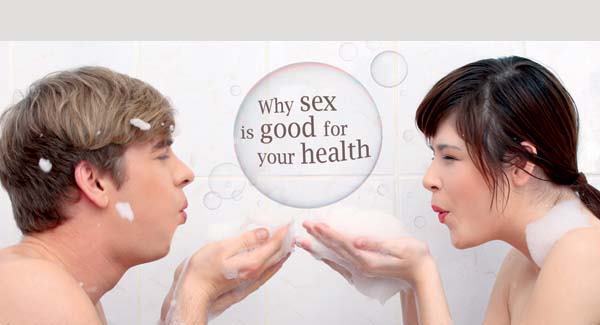
MAKING love could be one of the few pleasures in life that is genuinely good for you, say researchers.

Sex appeal

Not only does a healthy sex life boost mood, but there is growing evidence to show it boosts your physical wellbeing, too — from increasing longevity to reducing the risk of erectile dysfunction and even heart attack.

What is also clear is that men and women need to have sex regularly if they don’t want to lose the drive.

“There is a definite effect when there is a gap or break in the sexual relationship with couples,” says Dublin-based psychosexual therapist Eithne Bacuzzi.

“There have been some striking findings in research done by Dr Barry McCarthy, a psychosexual therapist, who has found that one in five married couples have sex less than 10 times a year, while one in three non-married couples in a two-year relationship have non-sexual relationships. He considers this to be a major mental health problem.

“Couples can become trapped in a cycle of anticipatory anxiety, failed performances, which leads to sexual avoidance, this feeds on itself and becomes a self-fulfilling trap,” she says.

As women get older their oestrogen levels drop, says Dr Peter Bowen-Simpkins, a consultant gynaecologist.

This hormone is key to a woman’s sexual enjoyment — lower levels can make sex uncomfortable, he explains.

But American research found that menopausal women who had sex every week had oestrogen levels twice as high as their abstaining counterparts.

“Regular sex increases the production of oestrogen,” says Dr Bowen-Simkins. As long as other symptoms, such as dryness, are not a problem or have been treated, having more sex can decrease the risk of vaginal atrophy which can occur with age, he says.

So what else can a regular love life do for your health?

MOOD

The evidence suggests that the ‘feelgood’ effect of making love could be more about chemicals than sexual ability.

“During lovemaking and orgasm, a cocktail of endorphins (the body’s natural mood-lifting opiates), neurotransmitters and hormones are released,” says Mr Nadir Farid, a consultant endocrinologist.

“Oxytocin, in particular, is a hormone released during and after sex that has been shown to make people more generous towards their partners and can also help induce calm and sleep,” he adds.

Oxytocin is called the ‘cuddling’ hormone because it’s released after just 20 minutes of hugging. Women produce four times as much as men, for whom production is inhibited by the prevalence of the hormone testosterone, which drives libido.

Another key neurotransmitter is serotonin, says Mr Farid. “Serotonin is the body’s key antidepressant chemical and one of the major reasons people smile and feel happy and relaxed after sex.”

Sexually active women in long-term relationships were less likely to be depressed than women who went without sex, according to a study of nearly 300 women by American psychologist Gordon Gallup and published in the Archives Of Sexual Behaviour.

Gallup speculated that semen contains several hormones which may have a mood-boosting effect when they are absorbed through the vaginal wall into the bloodstream.

According to psychosexual therapist Eithne Bacuzzi., couples who have regular sexual encounters and good sexual communication, tend to be happier more connected and contented.

“Society’s relentless emphasis on sex and the myth promoted by the media, movies and internet that sexual relationships are seamless and without difficulty raises unrealistic expectations that can have a serious psychological and physical effect on vulnerable people,” she says.

IMMUNITY

Having more sex might increase immunity from colds and flu. Having sex once or twice a week has been linked with higher levels of immunoglobulin A, or IgA, a substance found in saliva and the nasal lining thought to help our immune systems fight colds and flu. In one study, scientists asked 11 volunteers how often they had had sex over the previous month, then measured levels of IgA in their saliva.

Those who had sex once a week or less had a slight increase, compared with those who abstained; but those who made love more often had 30% higher levels.

Professor Ron Eccles, director of the Common Cold Centre and Healthcare Clinical Trials at Cardiff School of Biosciences, is not convinced that sex itself is the key.

It’s known that stress and anxiety can also make IgA levels go down, so according to Professor Eccles any connection between sex and colds may be related to other factors.

LONGEVITY

One of the largest studies on longevity and sex — conducted on Welsh men — found that those who had sex less than once a month had double the risk of dying prematurely than those who had sex twice a week.

“Sexual activity seems to have a protective effect on men’s health,” says GP Dr Sarah Brewer. “This may be linked with the effects of the master sex hormone, DHEA or dehydroepiandroterone, which is made in the adrenal glands and functions as a building block of other hormones such as oestrogen, testosterone and progesterone. “DHEA levels rise just before orgasm and ejaculation to three times higher than normal, and some claim this is how regular sex can prolong your life.”

FERTILITY

For people trying to conceive, one of the biggest myths associated with fertility is that refraining from ejaculation boosts sperm motility — the rate at which individual sperm can move forwards to penetrate an egg for fertilisation, says gynaecologist Dr Gillian Lockwood.

“When sperm is hanging around in the epididymis, the long coiled tube in the back of the testes where sperm is stored, it dies off rapidly,” she says.

“Unless a man has a low sperm count, the more often he has sex then the better the quality of his sperm.”

Preliminary results of a small study two years ago, by Australian researchers, found that in men whose sperm showed significant DNA damage, daily ejaculation reduced this damage by 12%.

“When it comes to sex for fertility, having sex little and often — at least every other night — is far better than lots of it on infrequent occasions.”

And the bad news? Unbridled romping — particularly with a new partner and without protection — comes with bigger risks, especially for the ‘Viagra generation’. Rates of sexually transmitted infections (STIs) in the over 45s have risen dramatically in the ten years since Viagra was launched, and are now rising faster in older people than they are in the young.

HEART

Sex is part of a healthy lifestyle and provides a form of physical exercise, says the Irish Heart Foundation. Cardio vascular disease is the most common cause of death in Ireland, resulting in the deaths of 10,000 people every year.

The idea that men are more at risk of a heart attack during love-making is mostly misconception, say experts.

Dr Peter Weisberg, a heart specialist, says there is no evidence that men who have sex regularly in their 40s, 50s and beyond are at an increased risk of heart attack.

“As far as the heart is concerned, sex is just another form of exercise,” says Dr Graham Jackson, a consultant cardiologist. “In fitness terms, its equivalent is going for a mile-long walk or climbing up and down two flights of stairs.

“If you’re physically fit enough for that, there should be no increased risk during sex.”

A study at Queens University in Belfast found that having sex three times a week could actually halve the risk of heart attack or stroke.

However, if you are over 50, overweight and unfit, there is a risk to your heart.

More in this section

Cookie Policy Privacy Policy Brand Safety FAQ Help Contact Us Terms and Conditions

© Examiner Echo Group Limited













