Caroline Casey: Fear of getting it wrong won't ensure we get it right
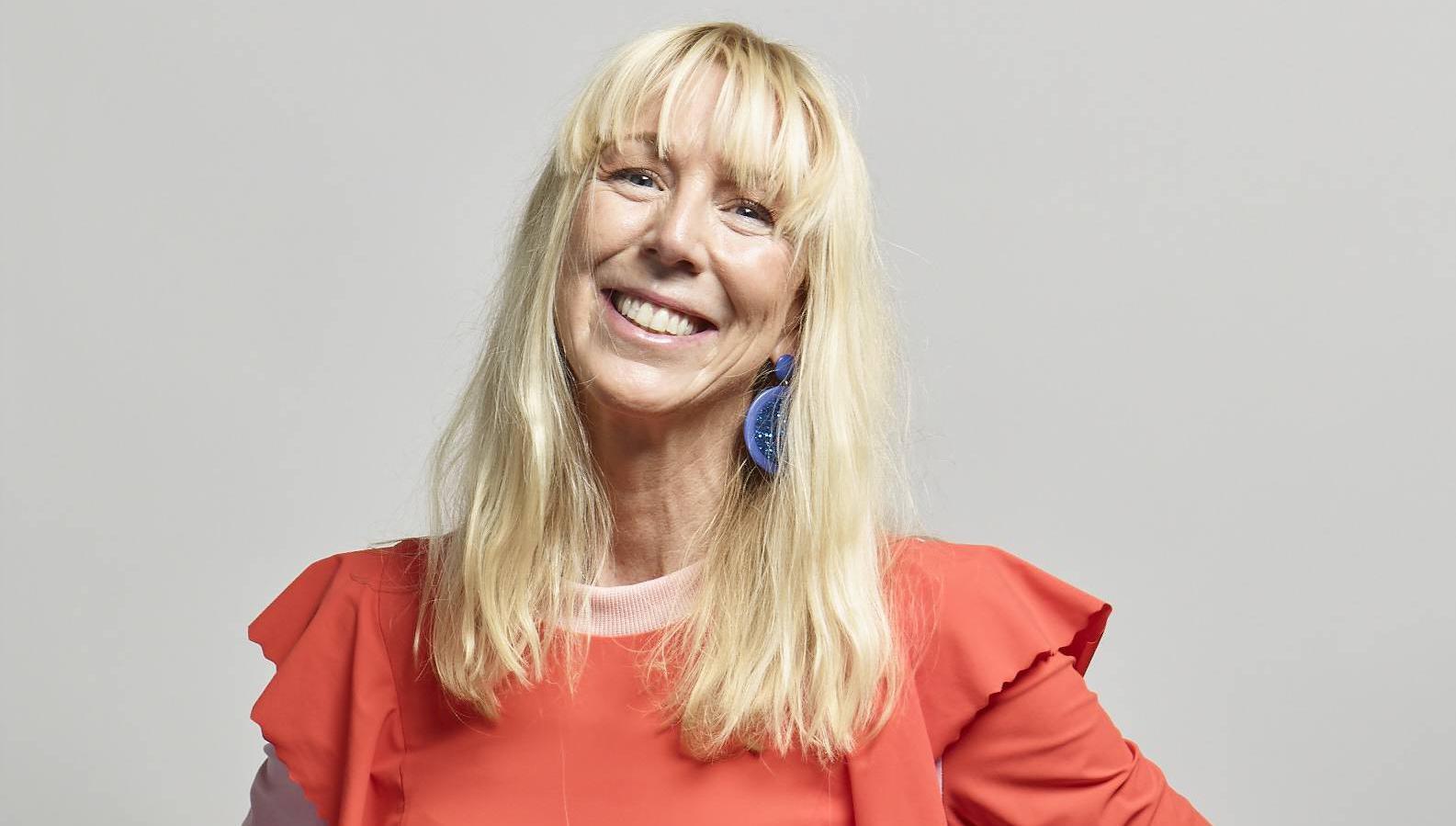
Caroline Casey
Whilst the last two decades have seen great strides forward on female inclusion, we still have a long way to go and we don’t have a simple path ahead of us.
I am in awe of the work of those female leaders like Jenny Lay-Flurrie at Microsoft; KR Liu, head of brand accessibility at Google and Shani Dhanda who is one of the UK’s most influential disabled people - among many others. And I am most excited by the next generation of women leaders in business as change is happening.
But whilst Break the Bias is an important theme for International Women’s Day, we also need to think about its broader relevance to the entire inclusion spectrum when it comes to bias. Tackling inclusion is not the same as a maths problem – there is no equation which will give us the answer as inclusion is undeniably complex. The greatest bias that we need to overcome is that there is no ‘one size that fits all’ and there is no end to this journey. By the nature of human beings we are all complex and intersectionality is key.
When I first entered the world of work, I hid my own disability from everyone. Back then there was a clear bias – or at least I felt there was. When I finally ‘came out of the closet’ and disclosed my disability, the company I worked for was brilliant and did everything they could to ensure I was supported in my role. However, this got me thinking – if I felt there was a bias against me, then surely others were likely to feel the same. I knew I had to do something about it, and so I set off on a journey which would eventually lead to the creation of the Valuable 500.
I set up the Valuable 500 with a simple mission – to ask leaders in business to make tangible commitments to disability inclusion. Three years on and we have 500 CEOs committed to doing so across the world. Whilst this signals the start of something much bigger, the one thing that struck me during my journey is this idea of ‘bias’ and how it means something different to everyone.
As I worked on building up the 500 members of the Valuable 500, the same pushback came up time and time again. It became shockingly clear how many people were willing to push aside disability inclusion in order to focus their efforts on a different inclusion issue that year.
And this is why I like the theme of this year’s International Women’s Day so much – because we must break the bias for all if we want to achieve equality and no one has more of a right to be included than anyone else. We cannot have a hierarchy of inclusion or a siloed approach. Inclusion has to be for all or not at all. Inclusion cannot be pick ‘n’ mix.
Only focusing on inclusion for one group doesn’t make sense. The simple act of putting aside one part of inclusion to focus on another is by definition not inclusive. If we are going to truly break the bias, then we have to do it for everyone.
The other important fact that we can’t overlook is that if we are going to be successful then we need to bring everyone on the journey with us. Many people are scared of getting it wrong and it’s important to ensure inclusion conversations are never accusatory but educational. Those who don’t understand inclusion need to learn and not feel that they need to get defensive if they’ve got it wrong. There is no way forward in the battle for inclusion if we allow cancel culture to thrive and ignore people whose intentions are good but who might slip up every now and then.
One thing I can be sure of is fear of getting it wrong is not going to ensure we get it right. The big question, which I don’t have an answer for is how we can continue to innovate in the fight for inclusion and ensure that there is space to make mistakes, yet still be respectful and evolve. One thing I do know is that everyone needs to be on this journey together.
This year, on International Women’s Day, I want to speak directly to business leaders.
The problem we are facing is too big for governments and charities alone to resolve. It needs to be tackled by the most powerful force on our planet which in my mind is businesses. For those that are in positions of privilege, such as business leaders, it is incumbent on them to use that position to architect a new societal inclusion blueprint for handling inclusion in business.
If we are going to be successful in tackling inclusion, then we need to completely reset our system and we need to ensure businesses are inclusive for everyone. We can’t afford any more excuses.
- Caroline Casey is the keynote speaker at the Irish Examiner International Women's Day event on Tuesday March 8. You can watch online at www.irishexaminer.com
CONNECT WITH US TODAY



Be the first to know the latest news and updates