Maureen Gaffney: How parents and teens can survive adolescence
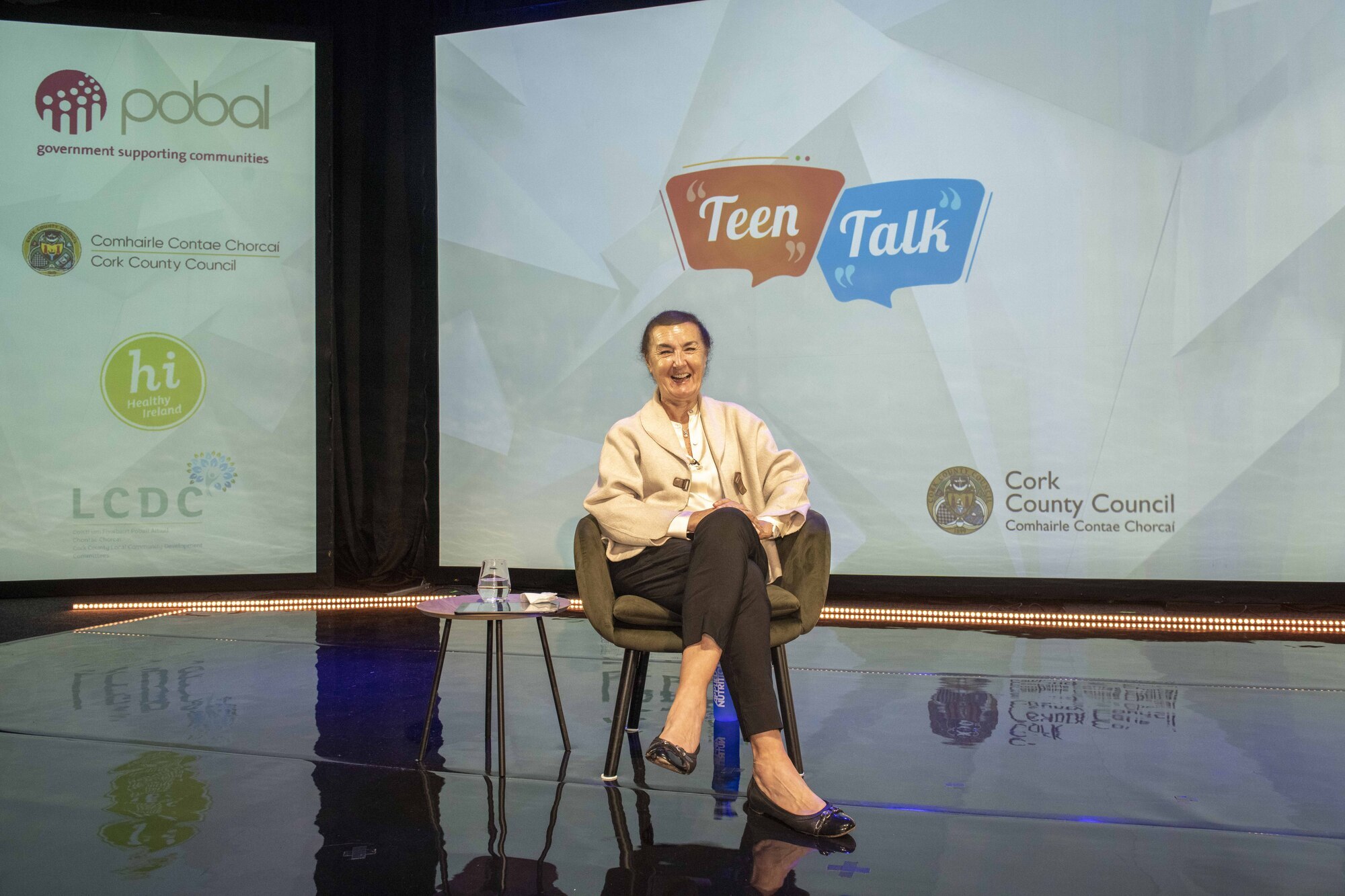
Dr Maureen Gaffney. Picture: Brian Lougheed
Being a teenager is tough at the best of times but the pandemic brought the typical adolescent struggle to a whole new level.
With this in mind, the Teen Talk series of events looks at the importance of positive mental health. The successful series – organised and coordinated by Cork County Council and funded by Healthy Ireland – takes place online and includes separate events for transition year students and their parents.
Among the speakers at the events is psychologist Maureen Gaffney, who says the pandemic hit young people hard. “You don’t get your adolescence back and adolescents have been deprived of an awful lot.”
Gaffney says teenagers have missed their friends, “hanging around the pavements, that teen slouching about, the bit of flirting that goes on”, all the extra-school socialisation that’s so important.
“And they were deprived of going to school, that feeling of doing their own thing while their parents were working. To be deprived of that ordinary structure and purpose in life was very difficult. They were often quite lost,” she says, adding that many teens retreated to their screens, became screen-dependent and will now have difficulty breaking the habit.
She says parents often dread their eldest child entering adolescence. “They think it’s going to be all stress and storm. But the evidence is that’s not the case for the vast majority.”
However, adolescence is a phase of great adjustment, says Gaffney, author of just-published . “Your adolescent child is coming out of a world of relative certainty – where they took parents’ word for things – into a no-man’s land. The transition to secondary school can be quite stressful, for example.”
The job of the adolescent is to become independent, says Gaffney. “And parents want them to be independent and responsible for some aspects of their lives. Teenagers want that too and they want to have more control and set their own course.”
Pointing out that teens and parents are all looking for the same destination, she says teens emphasise freedom and independence – and parents emphasise responsibility. “It’s a process of negotiating. For parents, it’s about honing their negotiation skills and looking at this as a task to be done rather than as a big emotional hurdle.”
Gaffney believes most parents fall down because they’re poor listeners. “We have to learn to listen so our teenagers can make their case,” she says, adding that adolescents are cognitively able to reason quite sophisticatedly and are also very idealistic.