Colman Noctor: Returning to school in a time of anxiety
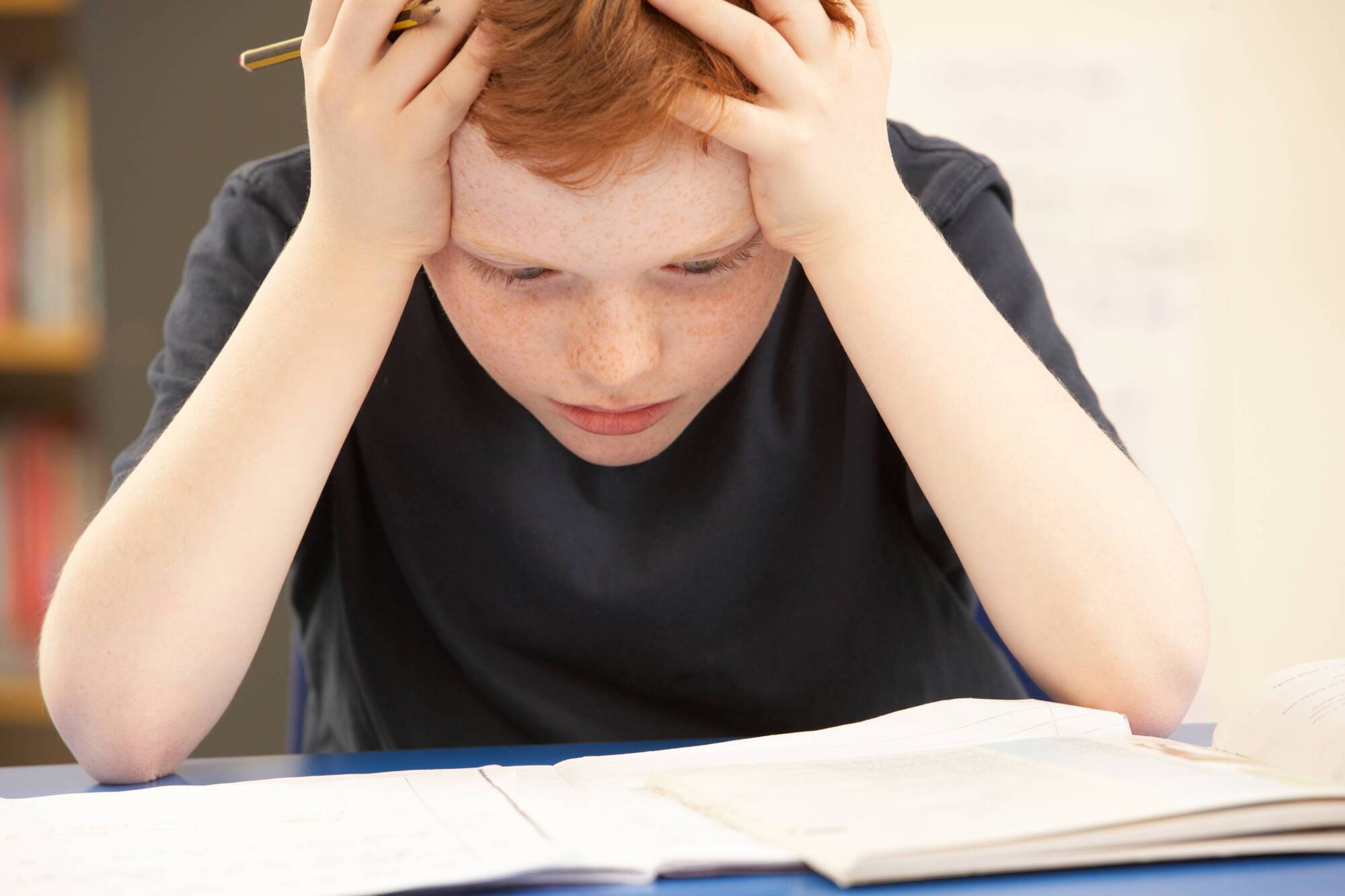
Going back to school can mean different things to different parents and young people. Picture: iStock
Going back to school can mean different things to different parents and young people. You may be the parent who laments the end of the summer break, and the thought of making lunches, early starts, drop-offs and collections fills you with dread.
Or you could be the parent who believes the school holidays are ‘far too long’ and getting the uniforms out and preparing the lunches floods you with relief.
A similar disparity is often seen in children. There are those who are excited about getting back into the routine of school, and although the prospect of study and homework is not ideal, seeing their friends and being back in the social environment outweighs the drawbacks.
But there will also be children who detest or fear the school environment perhaps due to a learning difficulty, or the effort it takes to withstand waves of bullying or intimidation or just the upset of not being at home.
So what is different about the return to school in September 2021?
On top of all the annual stressors, including financial for some families, the level of anxiety for parents, children and some school staff is notably greater this year. There are significant concerns about the transmissibility of the Delta variant of Covid-19 among younger age groups.
According to a recent Unicef report, this strain is believed to be almost twice as contagious as previous variants across all age groups, although it does not target children.
They are also concerns that children will need to stay at home for long periods due to being deemed ‘close contacts’ or will need to miss a number of school days because of a runny nose. It seems the potential for disruption this school term is high.
Our children, more than anything, need and deserve predictability, consistency and safety. The impact of rolling lockdowns, school closures, numerous cancellations and social deprivation over the past 18 months have taken a toll on the social and emotional development of all children.
Many have missed out on key milestones, leaving them underprepared for the developmental challenges that lie ahead.
The reason we are not noticing the impact of lockdown on children’s development is that there are no outliers. They have all missed out which makes it less noticeable, but not less concerning.
Specific cohorts - for example, those with additional learning needs or from socially disadvantaged backgrounds - will have been more affected than others.
Other vulnerable groups include children who are transitioning to new environments, such as starting playschool, junior infants, secondary school and third-level education.
None of these groups has ever had a pre-Covid experience of their new environments, and without this baseline there is a greater amount of uncertainty.
What can we do to help these children, and in particular the transition groups, to integrate into their new surroundings?
We need to make sure that the family and educational institutions have the flexibility to adapt to these needs. This goes beyond curriculum, and instead focuses on the holistic needs of these young people.
There will undoubtedly need to be a period of ‘scaffolding’ as they make the transition. Furthermore, we need to begin this process by accepting there has been ‘lost learning’ and missed opportunities for social and emotional development.
Remote learning during lockdown has left significant gaps in children’s opportunities for social and emotional learning and, although the return of sport over the summer has undoubtedly helped, more intervention and support is needed.
As a child psychotherapist, I would like to see an emphasis in the curriculum on mental wellbeing and emotional intelligence and not a drive to catch up on academic ground lost.
Children who are lagging behind respond better to encouragement than pressure, and this is where I believe our focus needs to be during the first term.
If you have a 16 year old who is not naturally academically minded, what do you think would work better to keep him engaged and to get him to finish his education? More homework or more support? I think the answer is obvious.
In these times we need to work extra hard to ensure children have a positive experience of school, especially in the formative years of primary school. Here the emphasis must be on play, learning, interacting and familiarity with the staff, their peers and their environment, not STEN tests and Drumcondra scores.
Having been part of the Virgin Media One Documentary filmed during the 2019/2020 school term, I got the opportunity to be ‘a fly on the wall’, and a unique insight into the lives of junior infant children and the complex dynamics of their fascinating world.
One of the most heart-wrenching things about that series was watching the children as they returned to school post the first lockdown. The new rules and regulations around not touching each other, not sharing pencils, not putting their lunch on the table and the new zones in their yard which was cordoned off with cones.
Although these measures were necessary to keep them physically safe, it was the antithesis of an environment that you would consider to be welcoming and emotionally safe. However, the efforts of teachers and staff to overcome these challenges over time meant that it soon became the norm.
While starting junior infants or secondary school during a pandemic is not the way anyone would want to begin, we need to trust in the expertise and compassion of our teachers in the education system to place children’s feelings of safety, care, and wellbeing at the forefront of their priorities.
To make the most of this difficult situation, all we can do is to provide children with as much compassion, nurturance, consistency, reassurance, and predictability - in school and at home - as we possibly can.

CONNECT WITH US TODAY



Be the first to know the latest news and updates