Secret Teacher: Children shouldn’t feel bad about every tiny choice they make
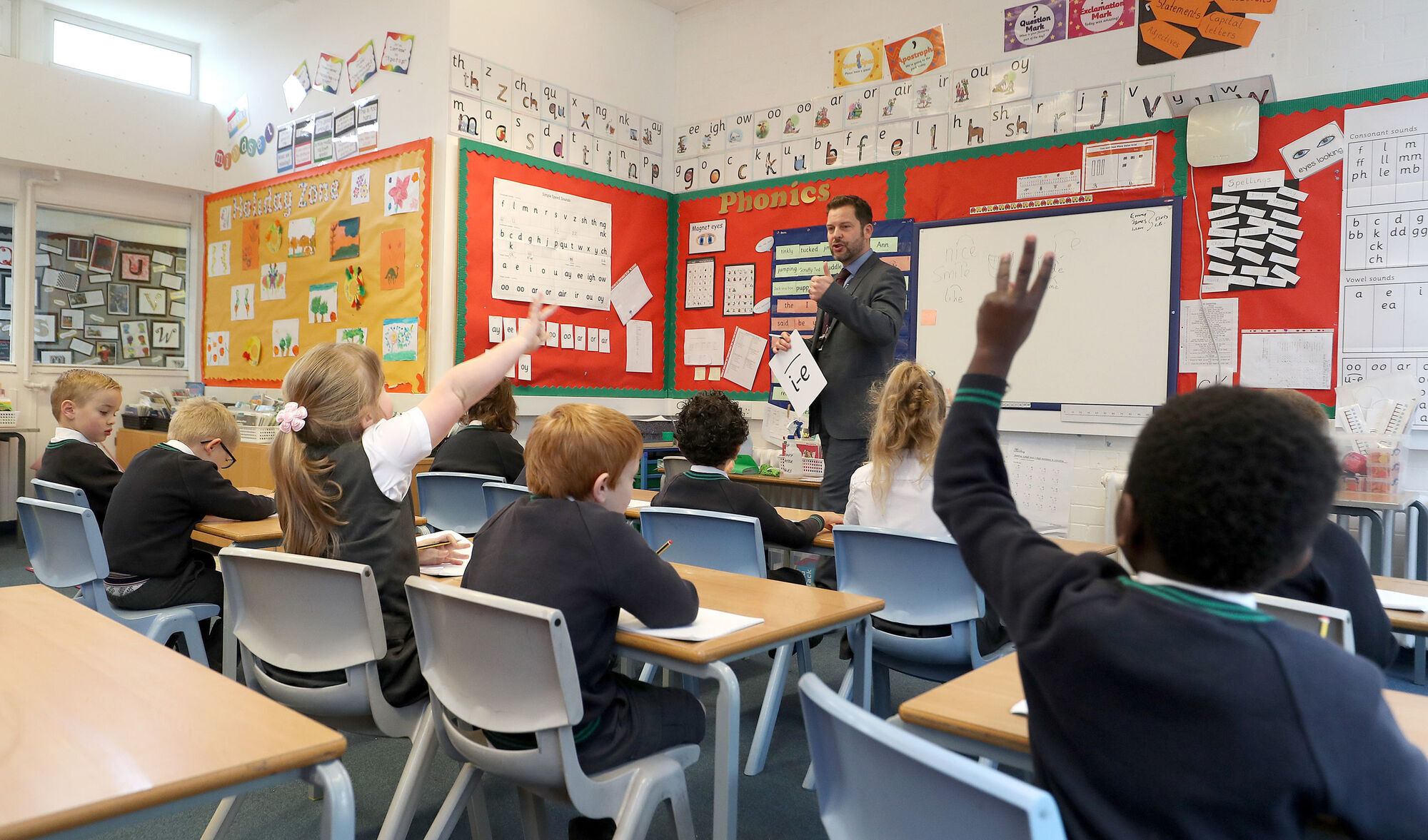
"Anxiety in young people is at an alarmingly high level. A psychologist friend made the suggestion recently that some of it might stem from the recession."
One of my favourite teaching methods is the flipped classroom. My students research something and teach it back to the class. I usually do it with fifth years on Fridays. There’s a whole lot of learning happening in the room, I’ve just flipped its delivery. It motivates students, gives them agency.
There’s a lot more we could do with flipping in education. Our approach to climate change being one – the way we talk about it, the tone of our delivery.
Climate change is an emergency; it’s serious. But I’m putting that part, the harsh reality of it, in the briefest terms possible. Because that’s how we ought to teach it. Briefly. This is the part that causes fear and anxiety in students and they encounter it across multiple subjects.
Of far greater educational value is motivating students towards the challenge of climate change. Sparks certainly won’t fly in a classroom filled with hopelessness.
I’m not knocking Greta Thunberg here, or the important role she plays. They need to know the truth. Our teenagers need to do exactly what they’re doing - travelling to our seat of government, running marches, attending meetings. But they must be guided towards innovation also, positive change, and possibility. Amazing things are happening in the field of sustainability – involving maths, science, technology, design, and business. Students in classrooms in Ireland can be a very real part of that innovation if we invite them in.
We need to broaden our understanding of what climate action looks like. We need to blow students’ minds open to a world of possibility. We need every type of learner primed to respond to this global challenge. We need diversity.
To give one example, estimates suggest we’ll need 60 percent higher global food requirements by 2050. Our current agricultural practices can’t possibly provide it. Factory farms are pumping animals with powerful antibiotics to produce bigger quantities of cheap meat, jeopardising human health and the health of our planet.
But veganism is not our only answer. Cellular agriculture promises quality meat through the utilization of cell cultures of a variety of host organisms rather than using traditional and harmful farming methods. Impossible foods provide another happy alternative – meat-tasting products made from plants, requiring less land and less water whilst lowering greenhouse emissions. Joy is preserved. Guilt, managed.
Children don’t have to be miserable to engage with climate change. One of the things that possibly stymies an innovative response to the challenge is a kind of eco-dogmatism.
The idea that positive change can only happen one way. Wearing vegan shoes and growing your own lettuce in empty yoghurt containers isn’t our only option. And if you’re not doing these things, it doesn’t make you a bad person. Children especially shouldn’t be made to feel bad about every tiny choice they make during their day. Sometimes getting through their day in one piece is enough for them.
People are different. They want different things, and they want the freedom to do things differently. We must celebrate and welcome different answers to the climate challenge, different voices, and different ways of doing things, especially in our classrooms.
Too often in schools and in general, we’re made to feel bad about everything we do now, rather than being encouraged to contribute to change. A teacher pal of mine was told to cancel their Christmas jumper charity drive because it might support fast fashion. It’s all bad news. Nowadays, you might as well juggle a grenade as dare to walk into a meeting with a plastic bottle or soft plastic wrapping.
Responses to climate change should be diverse. Guilt should play the smallest part. I know this on a personal level. I adore shopping; I’ve loved clothes, jewellery, and shoes since I was big enough to dress myself. I haven’t stopped. I just use sites like Thriftify and buy pre-loved clothes now. It’s a win-win alternative.
Another truth I’ve swallowed is that I’ll never manage to keep one reusable coffee cup. It’s not happening. I’ve bought many with great intentions and lost them within a week. Now, I just get my coffee wherever they use compostable cups.
Anxiety in young people is at an alarmingly high level. A psychologist friend made the suggestion recently that some of it might stem from the recession. Our current teenagers were toddlers when the worst of the crash happened. They were little people in nappies, navigating sharp corners and their parents’ worried faces back in 2010. Covid has been a huge challenge; we still don’t know its consequences. But another major source of anxiety is climate anxiety, eco-worrying warriors focusing solely on the demise of our planet.
We need to flip the narrative, flick the switch, and turn their little light bulbs on. Not only will it protect our young people, it’s also far more likely to save our planet too.


CONNECT WITH US TODAY



Be the first to know the latest news and updates