How to be a happier, healthier and more joyful parent in 2021
Picture: iStock
2020 was a year that most parents would prefer to forget. Even in the best of circumstances, it was tough. Thankfully, the prospect of a Covid vaccine offers hope. So rather than feeling guilty for not being the parent that we’d like to have been in 2020, let’s think about how we can be happy, healthier, and more joyful parents in 2021.
For Sheila O’Malley, who runs in-house wellness programmes for family, personal, and workplace wellbeing, it is crucial to recognise that we cannot be the perfect parent, the perfect partner, the perfect employee, the perfect friend. “That is beyond all of us. We put ourselves under too much pressure,” she says.
“For most people, guilt goes hand in hand with parenting,” says child psychologist Catherine Hallissey. “We all wish that we were doing a better job.”
But maybe it’s time to give ourselves a break. Kate Bluett, a family support project worker with Barnardo’s, says that if you believe that you’re not doing your best as a parent, think of all the basic things you do for your children, such as providing good meals, bringing them to school, and so on. “If you doubt yourself as a parent, it shows you’re not a complacent one.”
Hallissey points out guilt isn’t a very useful emotion. “It takes you out of the present, and what our kids really need is us present, and with them, and looking for the good in them, and looking for the good in ourselves.”
She says that she, as a professional, can do certain things with children, but if a parent plays a game with their child, gives them a lovely meal or watches them in the park, that has a much stronger impact than someone who is not the parent doing the same thing.
Bluett suggests focusing on the small moments of delight in your child, such as watching them enjoy their favourite dinner or getting a sum right when doing their homework and letting them see you be proud of them. “The thing is for them to see you watching over them or delighting in them is really good for strengthening the relationship.”
Joy comes from connection, says Bluett, and sometimes connection is about acknowledging that you or your child is in a bad mood. She says that if they’re young, it’s really important to put language on your child’s feelings. “If they’re three, four, five, six, they’re still learning about their feelings, so say ‘oh, it sounds like you’re grumpy and that’s okay’. It’s not that you excuse bad behaviour but you are showing that it’s okay to experience a vast range of feelings.”
For older children and teenagers, it’s about validating their feelings, says Bluett. That kind of understanding creates connection, and it’s from connection that you can get those unexpected moments of joy.
Nowadays we’re all so busy and it can be hard to find the time in our hectic schedule, but O’Malley has some good news. “On a daily basis, the magic number is eight minutes of one-on-one time to make a child feel loved, valued and secure,” she says. “Do it first thing in the morning, get into your child’s bed and give them a cuddle. Children who have their needs met are more cooperative.”
Hallissey suggests seeing the new year as a reset. “You can start afresh, reboot yourself with the basics," she says pointing to sleep, food, hobbies, and self-care.
If you want your children to grow up to be adults, who are well-rounded, who take care of themselves, who meet their friends, who have hobbies, then you need to be that model, she says. “You need to show them how to be a human in the world. Even if you don’t want to do self-care for yourself, do it because your children will eventually turn into you.”
Parents should ask themselves what is the one small thing that I can do to take care of myself, says Hallissey. “It isn’t about getting a massage once a month, but things that you can do every single day to take care of yourself.”
You could pair a mindful moment with a task, says Bluett. When you wash your hands, look out the window and try to notice five things. “It grounds the parent in the present moment which makes them more available to their child emotionally.”
She suggests taking a pause and breathing in for four seconds, hold, breathe out for four seconds and then inhaling for four seconds. “That’s something all of us can do. We all have 16 seconds.”
Take a moment when you’re having a coffee to enjoy the peaceful time to yourself, says Hallissey.
She says a 10-minute activity could be some time alone reading, a 15-minute activity could be a call to your mother or best friend. Go for a walk if you have a little longer. “It’s developing a menu of self-care so even if you only have five seconds, you can do something to mind yourself.”
Hallissey says that we have a base level of happiness because about 50% of our happiness and contentment is genetic, about 10% is down to our life circumstances — our job or our financial situation — so there is about 40% is left to play for. “While you can’t change your temperament totally, you can either move yourself up to the top of your happiness and contentment range or right down to the bottom, and that actually comes from your daily habits.”
She has thought about the things she really wants to have this year — fun, joy and connection — and considered the daily habits she needs to put in place to make that dream a reality.
For O'Malley, it was about putting time in her diary. She asked her daughter about a cherished memory from childhood and she said that it was those times when the two of them went to the bakery to have a bun together, when her mother always made time for her alone. “I didn’t do it until I first put myself in the diary and gave myself time.
“Everyone in the family benefits if you give yourself the attention you need,” says O’Malley.
She thinks that the Instagram generation are putting themselves under huge pressure to try to be perfect and suggests asking for help if you feel overwhelmed.
What our children really want from us is very little. “Love, time, and positive attention. They want you not to be stressed and to be present with them,” says O’Malley.
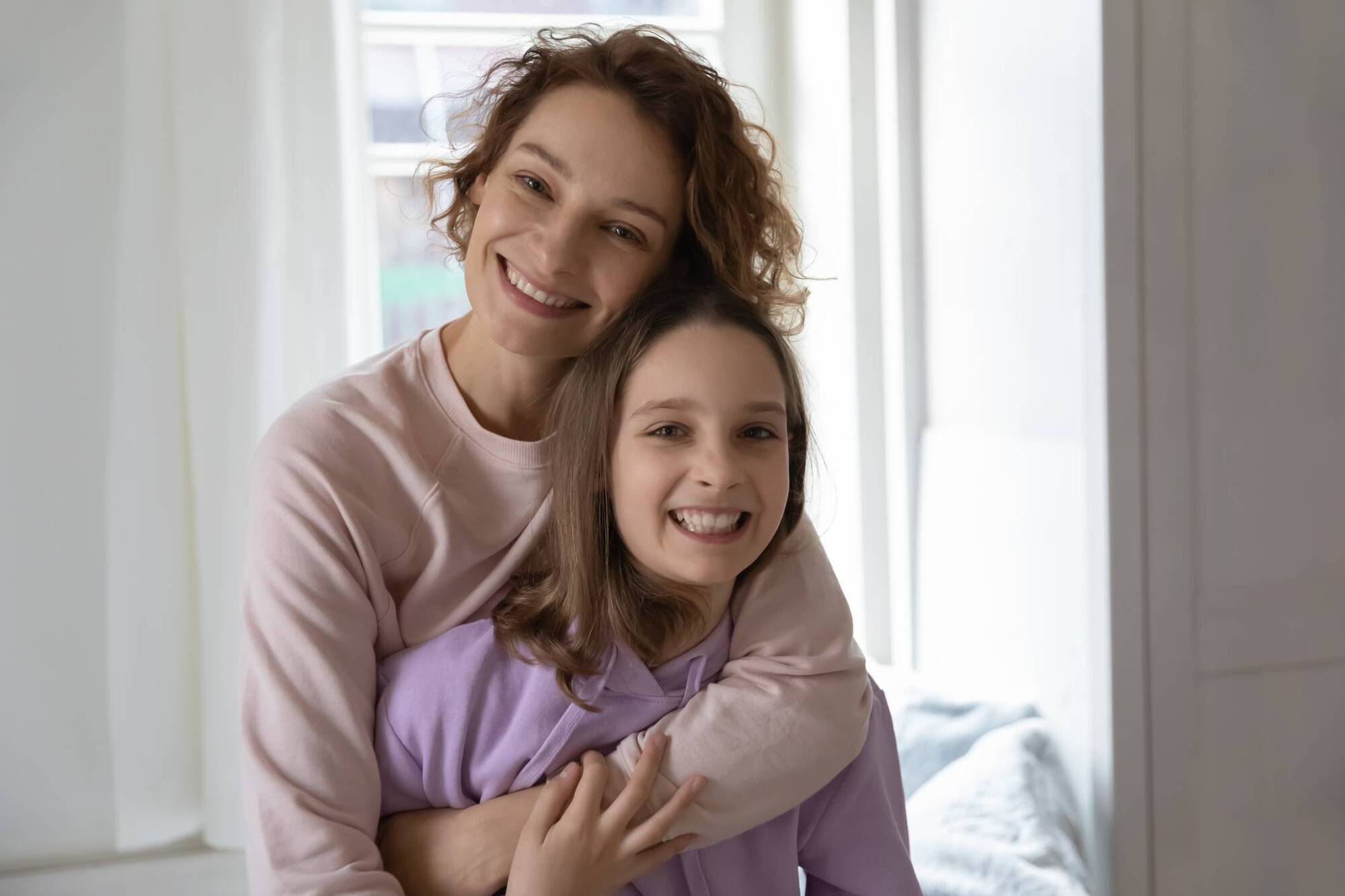
For Bluett, a hug can have a huge impact on happiness. She suggests lingering a few seconds longer in a hug, don’t pull away quickly from your child to do the dishes or get the dinner started. Instead, wait for your child to pull away first. “If you hold a hug for a certain number of seconds just a little longer than some of us might naturally tend to, you boost the serotonin and happy neurotransmitters.”

CONNECT WITH US TODAY



Be the first to know the latest news and updates