Alison Curtis: The importance of teaching my daughter the art of listening
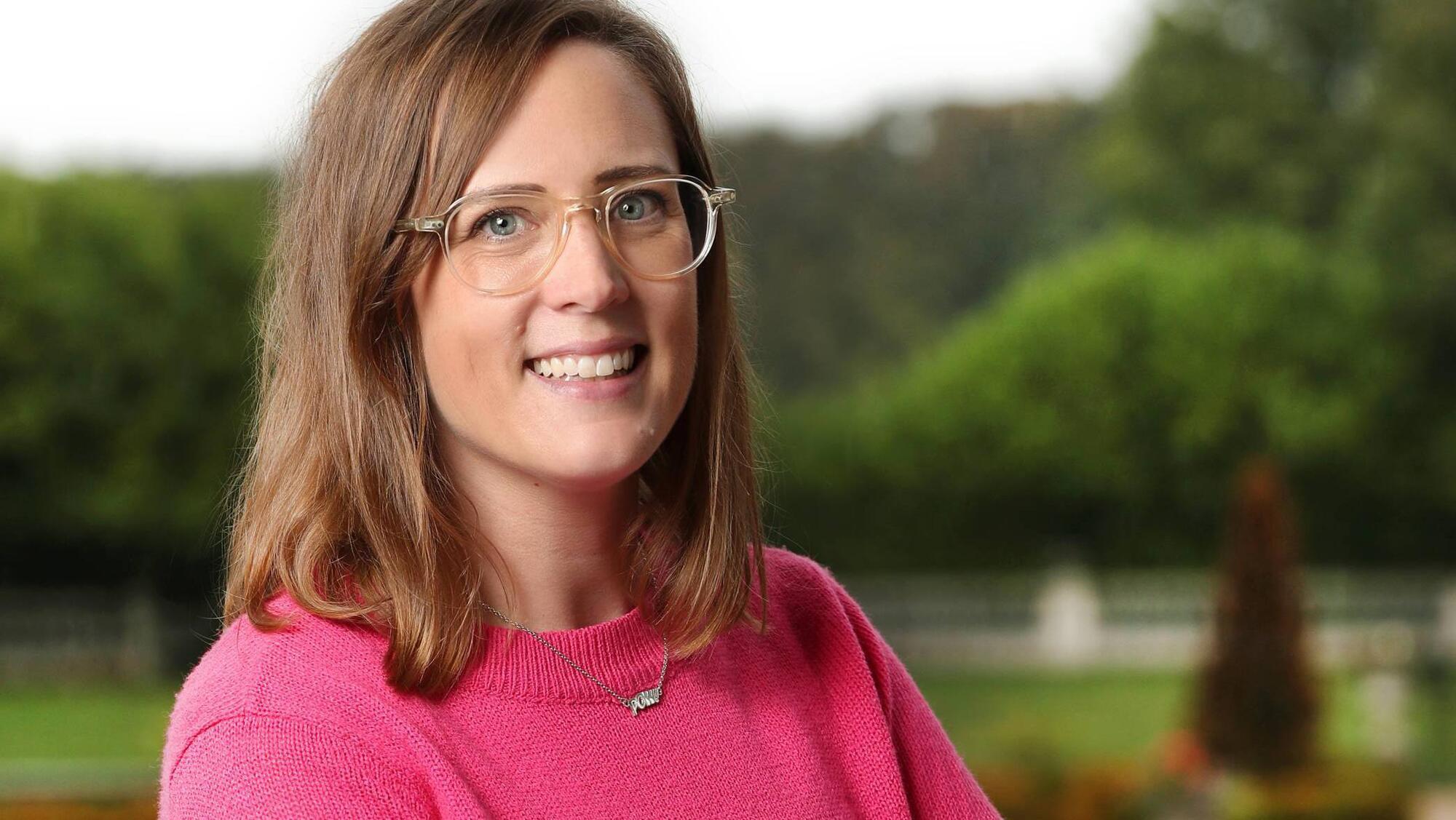

My daughter, Joan, is a chatterbox. She chats with us at a home, on play dates, and in restaurants.
She is always talking. There are times that it drives me and my husband nuts.
So many times, we have had to ask her to stop, to either let us finish a sentence or to allow us to finish something we are doing.
It is tricky to ask a child to stop expressing themselves, and how you do it is so important. This is especially so for little girls, who, later in life, may find it difficult to be heard.
I was a chatty child, and I have memories of being told to stop, and it always hurt my feelings.
It was in my nature — it still is — to talk a lot, but, as an adult, I have learned when to stop, to listen, and to encourage others to talk and speak up.
But I can’t expect my nine-year-old to understand and to know the art of conversation.
Often, when my husband, daughter, and I are on country walks, it feels like only three seconds go by and she is on to the next topic.
It is a running commentary of what is around us, and I am not even sure Joan realises she is doing it.
We ask her to stop, and to listen to the sounds of nature, or, as I call it, to 'share the air', to allow my husband and I to join the conversation.
Sometimes this works, but, most of the time, not for long. I then move on to the challenge of who can stay silent the longest.
This was a trick my dad played with my sister and me, and because there were two of us, it was a competition, but since it is just Joan, the competition isn’t there, so often this tactic fails.
As a last resort, I have simply asked her to stop for a while, and she has got upset — I have had to explain that we don’t have to talk all the time, and sometimes, it's nice to just walk and take in the scenery.
I want to avoid her ever feeling that she can’t talk, that she can’t express her feelings. On the other hand, she needs to learn that others need space to speak, and she has to start actively listening.
Only recently, a friend of hers hinted that she feels one person in the group talks too much, and I immediately knew who she was referring to.
If it drives us, her parents, bananas at times, I can only imagine it can get annoying for pals.
I don’t want this to affect her friendships, or make people not want to hang around with her.
I was talking about this with a close pal over the past few weeks, and she said how amazing it is that Joan has always been so confident, and that not only is she happy talking to anyone, she has fun doing it.
She is able to make jokes, be engaging, and, as my pal said, Joan “is great craic to be around”.
This friend added that because it is part of Joan’s personality, and something to be grateful for when she is older, we should not tell her to stop.
She advised that we don’t make a big deal out of it, or draw too much attention to it.
The advice and observations of my friend did bring me great comfort.
However, I still want to encourage Joan to create space for others to talk, to learn not to interrupt — even though she always does this enthusiastically and never maliciously — and I want her to start engaging with her pals by listening more often.
This is going to be an ongoing process, so I will report back in a few weeks!

CONNECT WITH US TODAY



Be the first to know the latest news and updates