Edel Coffey: Often when we speak in anger, while it may feel good initially, it rarely serves us
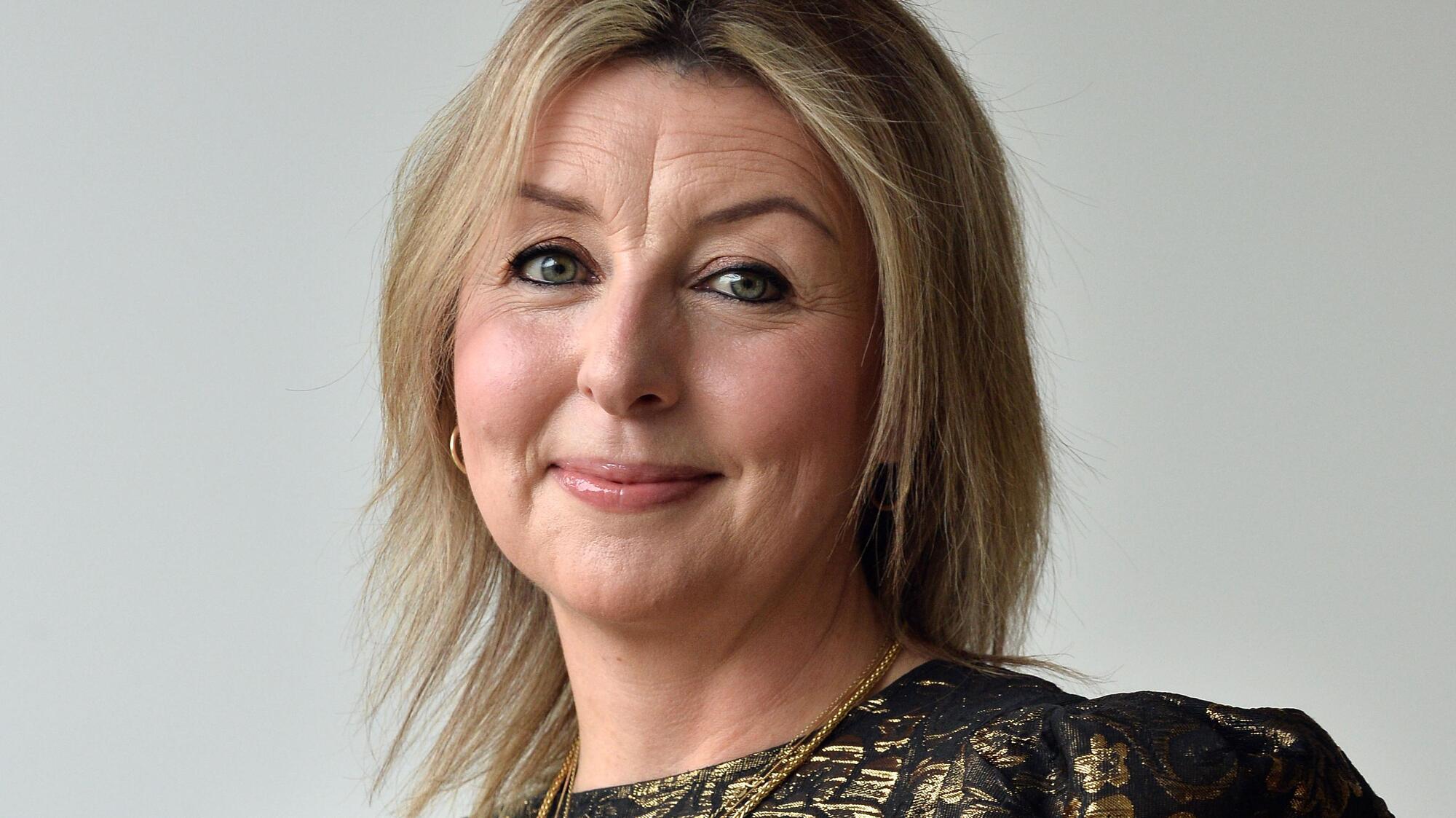
Edel Coffey: 'Words have consequences. It’s a lesson most of us learn the hard way.' Picture: Ray Ryan
“Many’s the man lost much just because he missed a perfect opportunity to say nothing.”
So writes Claire Keegan in her novel, . It’s just one line of dialogue but it’s hard not to feel the profound truth of that sentence.
Who of us hasn’t spoken in anger, in haste, said something ill-judged that we’ve later grown to regret? I know I have, and more than once. But it can be hard to speak calmly and clearly when you’re hurt or angry.
I was thinking of this as the Prince Harry memoir show cranked up last week, with a television interview and many of the book’s details leaked, from a frostbitten penis to an alleged physical row between him and his brother William.
I wondered as the media feasted on these petty titbits, might Harry be regretting he had said so much? Might he be wishing he had said nothing at all?
In the wake of the leak, former US president Ronald Reagan’s daughter, Patti Davis, wrote an opinion piece for about her own tell-all biography which she wrote many years ago. She spoke in the article about the value of silence and how she now wished she hadn’t written her memoir in which she revealed many personal family details.
She apologised to her father for writing the book when he was in the early stages of his Alzheimer’s disease and when someone asked her many years later what she would say to her younger self, she responded immediately: “That’s easy. I’d have said, ‘be quiet’. Not forever. But until I could stand back and look at things through a wider lens. Until I understood that words have consequences, and they last a really long time.”
Around the time of the #MeToo movement, the actress Uma Thurman was asked at a red carpet event about the allegations of sexual misconduct that had emerged. Her response went viral.
Trembling with anger and emotion she said very slowly and deliberately: ‘I don’t have a tidy soundbite for you, because I’ve learned — I’m not a child, and I’ve learned that when I’ve spoken in anger I usually regret the way I express myself. So I’ve been waiting to feel less angry. And when I’m ready, I’ll say what I have to say.”
She did later say what she had to say about being raped as a teenager, sexually assaulted and mistreated by Harvey Weinstein and made to feel unsafe by director Quentin Tarantino on the Kill Bill set.
The thing is, often when we speak in anger, while it may feel good initially, it rarely serves us. Even when we have been hurt, betrayed, upset, even when our anger is totally and completely justified, we can still sometimes wish that we had said nothing at all. Because after speaking in anger, even when righteous, it’s often we ourselves who are left feeling hurt or let down afterwards, not the people who have done us wrong. Often we don’t feel the way we thought we might — vindicated or relieved. Often we just feel embarrassed.
Now in my forties, I’m a fan of the face-to-face meeting or at the very least a phone call when I have to have a difficult conversation. Yes, it’s more respectful to do it this way, but if I’m really honest I prefer not to commit emotional words to posterity in an email or a text because I know it’s difficult to walk back from the written word. Words have consequences. It’s a lesson most of us learn the hard way. And if Harry really does want to reconcile with his family as he says he does he has probably made that walk back a lot longer by committing tens of thousands of words to paper in permanent ink, words that will never be erased.
But it seems like Harry has had plenty of time to consider the effects and the consequences of his words, from that first Oprah Winfrey interview to the publication of his memoir this week. And he’s obviously willing to suffer the consequences for the opportunity to speak his truth and stand up for his wife and children.
Harry’s motivations to get his side of the story down via a controlled medium, a book he has written himself, rather than an interview that has been moulded by a journalist or one that has been edited by a producer, are understandable. He has lived his life seeing his family’s words distorted by the media so who could blame him for wanting to control the message in this way.
And while there are truths that always need to be told, particularly when standing up to racism or abuse, as Patti Davis said, not every truth has to be told. Some things can be spoken and dealt with just as easily and effectively in a private conversation or even in a silent meditation inside the walls of your own head as in a public forum.
When in doubt, count to 10 or 100 or for as long as it takes for the red mist to clear.