Edel Coffey: The fate of our parents doesn’t necessarily have to be our fate
I made lists and lists of awful illnesses, terrible diseases, dreadful diagnoses and, to my mind, every single one of them was preferable to the one my mother had just received
Edel Coffey: The fate of our parents doesn’t necessarily have to be our fate

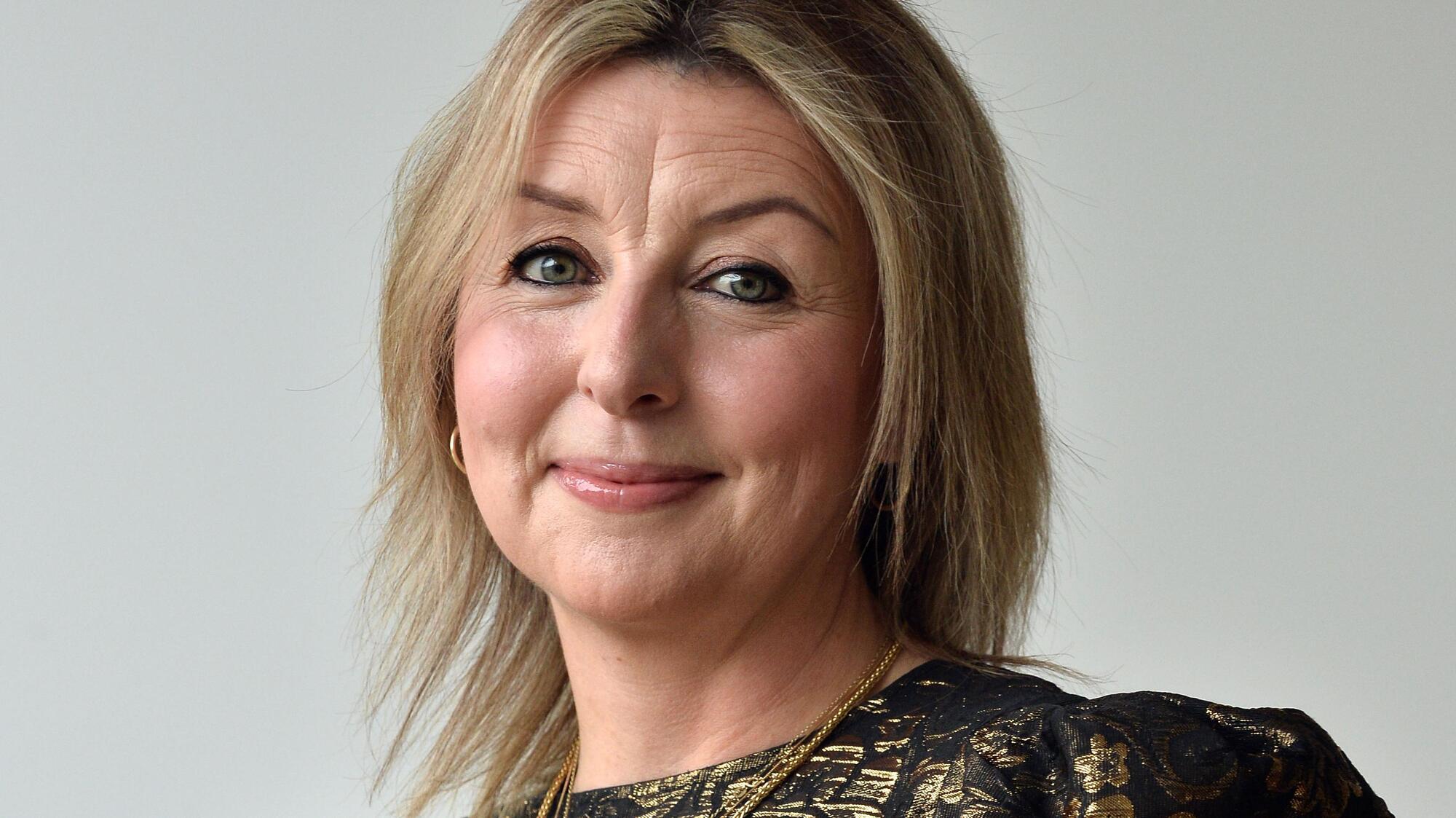
Edel Coffey: 'I was a little surprised at the extent of the relief I felt last week at the announcement of the most promising breakthrough in Alzheimer’s treatment to date.' Picture: Ray Ryan

I never thought I lived in fear. I thought I was a hopeful and optimistic person. But last week I realised I have been living in fear. It was the kind of news story that might have passed you by on the endless rushing wave of 24-hour news updates, just another one of those stories that whizzes past your eyeline like detritus on floodwater… unless you had a particular interest in news of Alzheimer’s research. But I did have a particular interest in the announcement last week that there had been a breakthrough.

There have been other news reports of breakthroughs over the past decade or so, since Alzheimer’s first became an area of interest for me. News of research in slugs that might lead to possible areas for investigation or news that mice had responded positively to certain drug experiments. They were theoretically exciting but none of them made any difference to the real people suffering with the illness in real time.


Until last week that is, when finally — finally — there was cautious cause for celebration amongst the scientific community. For the first time it seemed that research had led to measurable positive results in a large clinical trial of people with Alzheimer’s. People compared it to the early breakthroughs in Aids research. For the first time there was palpable hope that treatment might be possible.

My mother died from the disease in 2020. But still, I was a little surprised at the extent of the relief I felt last week at the announcement of the most promising breakthrough in Alzheimer’s treatment to date. The breakthrough is too late to help my mother and I am an able and healthy woman with no ailments (and incredibly grateful for the privilege), so why was my body suffused with gratitude and relief at the news?

I think it’s because ever since my mother was first diagnosed with Alzheimer’s, I have lived with the fear that the disease will come for me too. I presume people whose parents have died of other illnesses also feel this way.

Every momentary hole in my memory, every forgotten face or name, every misplaced detail, every unfinished crossword presents itself to me as possible evidence — could this be the beginning? More likely just symptoms of a busy life, stress, exhaustion, the perimenopause, an ordinary, ageing brain.

I do my best to do what I can to prevent it. I jump around in front of Joe Wicks’ Youtube exercise clips. I try to eat healthily. I barely drink alcohol (always making an exception for champagne, because, re: last week’s column, it’s important to let the joy in) and I listen to podcasts in French to exercise the part of my brain that deals with foreign languages. I haven’t smoked a cigarette, the habit I couldn’t kick for years, since the day my mother got her diagnosis. I remember that weekend very clearly. I stayed in my flat, shuttered the windows, kept the lights down low and sat with the shock of the news. I made lists and lists of awful illnesses, terrible diseases, dreadful diagnoses and, to my mind, every single one of them was preferable to the one my mother had just received. I’m aware that this was an extremely self-pitying reaction. Each and every terminal illness diagnosis will always be the worst news any person and their family can receive. But I think having volunteered in a local Alzheimer’s home when I was a student in college, I knew all too well what my mother’s fate might ultimately end up looking like.

Losing someone to Alzheimer’s is like experiencing several kinds of hauntings. First, the person disappears but their body is still there. Then, when they physically die, what people refer to as the ‘second death’, the disease continues to haunt you as you wonder will it one day affect you too?

But the fate of our parents doesn’t necessarily have to be our fate.

When my mother got her diagnosis, her consultant made a point of taking me aside to emphasise that just because she had Alzheimer’s, it didn’t automatically mean that I would get it too.

This new breakthrough, however, brings real hope that the disease that stole my mother in her prime might not be able to take me or people of my generation quite so easily. If it does come for us, for the first time in history there might be sufficient weaponry to fight it.

Imagine what a world without Alzheimer’s would look like. Nothing gives me as much hope as this. The idea that we may be about to cross a Rubicon from no known cure into the beginnings of effective treatment is the best news I’ve heard in years. Even though it’s too late for many people who’ve already suffered the ravages of this disease, I really hope it offers the possibility of better prospects for those who will develop Alzheimer’s.

And for those of us who currently live in fear, perhaps we can take a step closer to living in hope.

x

More in this section

Lifestyle

Newsletter

The best food, health, entertainment and lifestyle content from the Irish Examiner, direct to your inbox.

Cookie Policy Privacy Policy Brand Safety FAQ Help Contact Us Terms and Conditions

© Examiner Echo Group Limited