Séamas O'Reilly: We're not at the World Cup, but neutrality is not an option
Lately, being a football fan has meant having to swallow a lot of bitter pills, some so revolting you start to wonder if each compromise is even worth it
Séamas O'Reilly: We're not at the World Cup, but neutrality is not an option

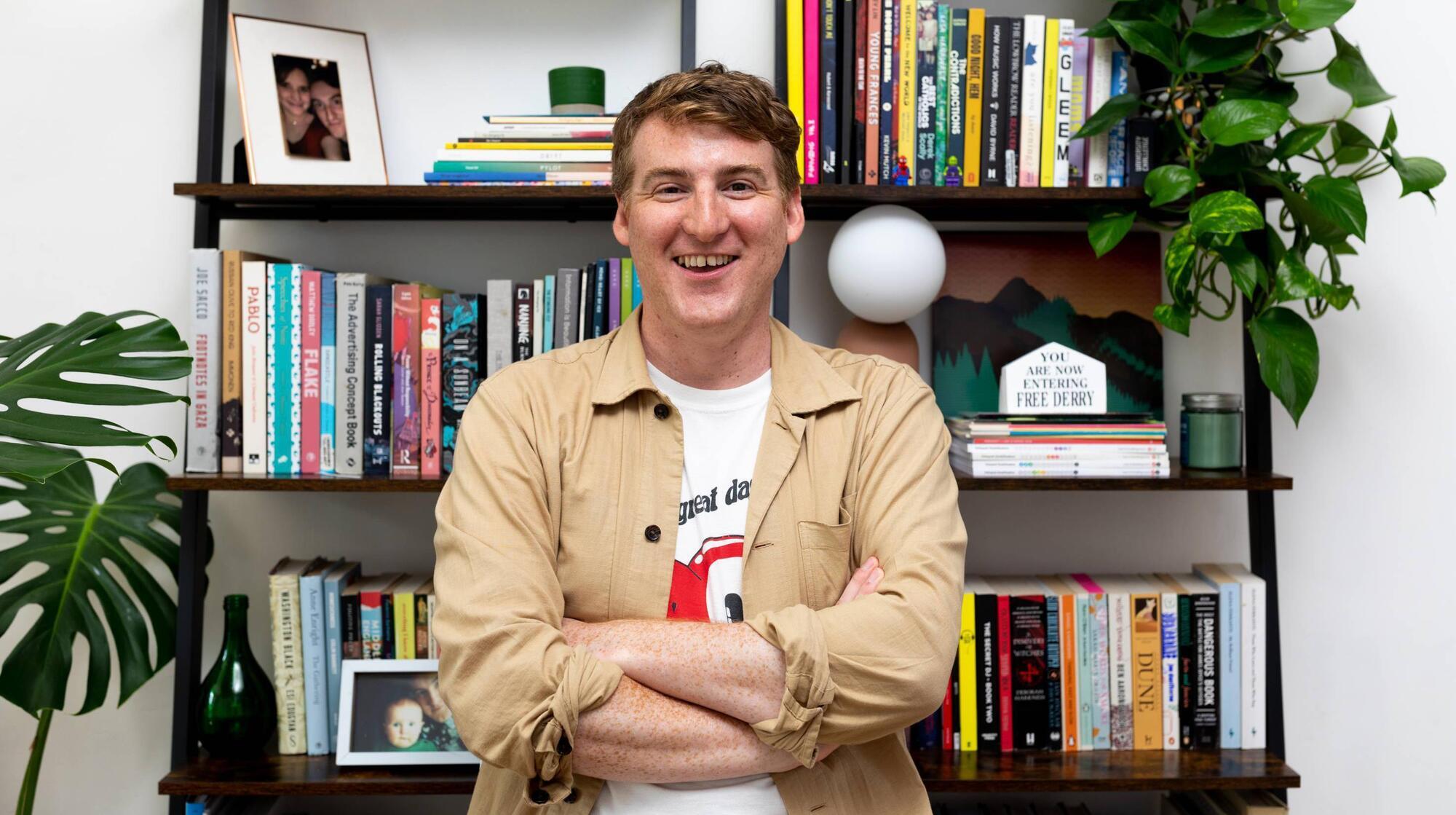
Séamas O'Reilly. Picture: Orfhlaith Whelan

What is the correct course of action for the neutral? I speak, firstly, as a football fan, gazing upon the sight of yet another international tournament to which we have not been invited. Or rather, one for which our invitation was cruelly rescinded simply because we didn’t win enough football matches. I guess Irish people should be used to neutrality, I just sometimes wish it was of our own choosing.


When I worked in an office, the answer to this query was simple; take part in a World Cup raffle and cleave to my chosen team like the soil within their hills was the blood that filled my veins. So it was that I became so catatonically invested in Uruguay’s progress in 2014, that I found myself defending Luis Suarez’ latest acts of cannibalism to a break room filled with English fans. Since I now work for myself, contriving this arrangement on my own would be a sadder pursuit than even I can contemplate.

And then there is the other sense of the word ‘neutral’, which has become more prominent in my mind over the last few months, as the wider issues and quandaries of this World Cup hove into greater view. I don’t think anyone has escaped the harrowing coverage of the subjugation and inequities of Qatar’s race to build the stadia — and cities — which will host this tournament. There are many better resources for anyone looking to research these issues, but I will attempt a brief primer, since the relevant facts can’t be restated enough. Like many Gulf states, Qatar uses the Kafala system, whereby migrant workers are hired from other, poorer nations, effectively handing full control over their lives and bodies to private companies that are rife with abuse and exploitation.

In Qatar, these manual labourers typically work agonisingly long days in poor, and often stiflingly hot, conditions, and have their passports seized to prevent their exit. This is without listing any of the litany of off-book abuses which are endemic, ranging from physical attacks to gendered violence and sexual assault. It is in this context that the most staggering feat of sportswashing ever mounted has been undertaken in the 12 years since Qatar won the bid to host this tournament; a period which has seen at least 6,500 recorded deaths of workers, mostly from India, Nepal, Pakistan, and Sri Lanka. It should be remembered that this is likely to be a highly conservative estimate as official figures are contested by advocacy groups and human rights organisations, are at least a year old and, in any case, even Qatari authorities concede that this only counts on-the-job fatalities, and not deaths due to injury, the effects of heat exhaustion, or suicide.

And this, of course, is not where the problems with Qatar end. At a time when Fifa bleats on about diversity and inclusion, they have enabled and emboldened a host nation in which homosexuality is punishable by imprisonment and even death, and women and girls are subject to male guardianship laws which discriminate against them at every strata of society. In such circumstances it seems almost redundant to list the other, more quotidian, absurdities of holding a world cup in a country that lacks the necessary infrastructure to do so, in the middle of a bustling regular season, at a time when the world’s children are in school, and their parents are working overtime to make money for the Christmas rush.

In some ways, the Irish have been spared the risk of participating, becoming the happy beneficiaries of the neutrality forced upon us. Certainly, if there are World Cups for Ireland to miss, this would be a good one. But I won’t judge football fans around the world, hoping to gain some respite from one of the greatest spectacles of world sport ever conceived. Placing a Welsh fan who switches on their TV on the same moral spectrum as the suits and apparatchiks who have lined their pockets to make this happen seems to me a fatuous, and privileged, position. Moreover, empty judgement of befuddled and conflicted spectators is a waste of energy that must be put to better use in attacking Fifa and Qatar for their role.

At least having spent a reported $220bn on this tournament — almost 14 times the previous record of $16bn set by those other human rights champions, Russia, in 2018 — it seems like not all has gone to plan. The stadia and facilities appear to be barely finished, and reports from Fan Zones depict Fyre Festival levels of disaster-waiting-to-happen.

Perhaps, most worrying for the vampiric ghouls in Fifa’s board rooms, interest in the commercial end appears to be waning. Sponsors have pulled out, celebrities from Dua Lipa to Joe Lycett have rebuked Qatar, or those who take their money, and word from gambling companies is that the betting markets for this year are abysmal, with more UK wagers going on in the I’m A Celebrity markets than for the world’s biggest and most prestigious sporting event. Images of paid spectators, bussed in to play German and English fans raise a chuckle, until you wash them down with contemporaneous footage of reporters being threatened and obstructed from filming events to which the whole world was supposedly invited.

Lately, being a football fan has meant having to swallow a lot of bitter pills, some so revolting you start to wonder if each compromise is even worth it. This might be the one which stops the sour taste from leaving my mouth for good, so I don’t how much of this World Cup I’ll watch, if truth be told. I just wish my compatriots in Uruguay well.

More in this section

Lifestyle

Newsletter

The best food, health, entertainment and lifestyle content from the Irish Examiner, direct to your inbox.

Cookie Policy Privacy Policy Brand Safety FAQ Help Contact Us Terms and Conditions

© Examiner Echo Group Limited