Louise O'Neill: All we wanted from Love Island was sun, sex and silliness — that's not what we got
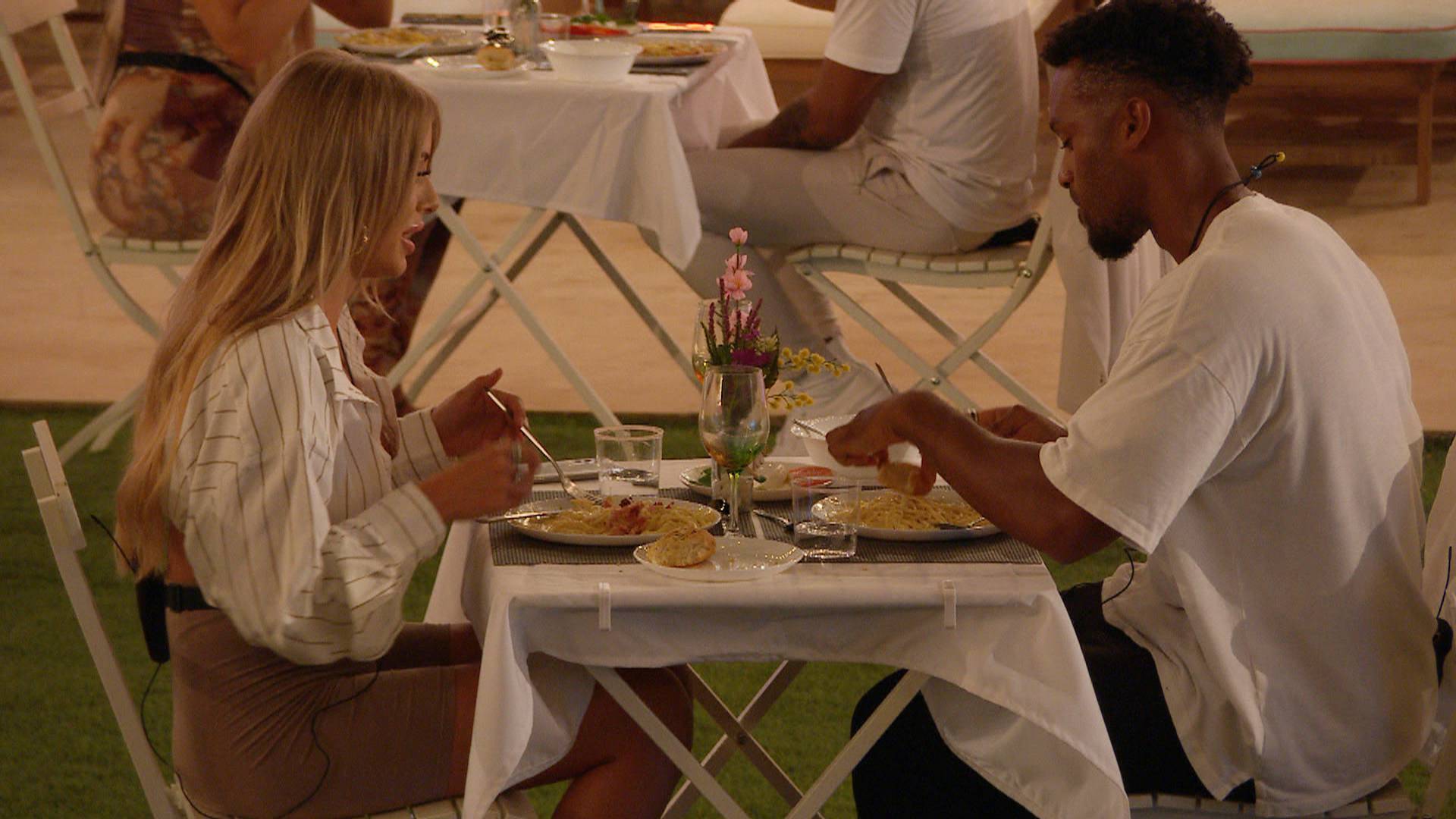
Faye was a volatile character — and I use the word character deliberately.
I remember watching the first iteration of . It was 2005, I was living in Trinity Halls, and my housemates and I were obsessed with the show — primarily because Rebecca Loos was a contestant, and we were curious to see what charms had allegedly lured Becks away from Posh. I didn’t watch the show when it returned in 2015, this time featuring members of the public rather than ‘celebrities’ but its popularity moved up a gear in 2017 and by the following year, it had become must-watch TV.
It was two years later that I decided to give in to peer pressure and that was mostly because everyone was talking about the Irish contestant: the one-and-only Maura Higgins. 2019 has been the peak of ’s success to date, with more than six million viewers per episode — the most for any ITV2 broadcast. It introduced the public to an incredible cast of characters — the aforementioned Maura Higgins, whose self-possession, humour, and authenticity has proved impossible to imitate.
Amy, crying as Curtis argued that he liked making coffee for the other islanders in the morning. Amber muttering ‘dead ting’ when Michael came back from Casa Amor with Joanna on his arm. Ovie sitting in his bucket hat, eating an ice lolly. Molly-Mae and Tommy’s bed shaking so hard that Elly Belly, the stuffed elephant, fell to the ground. Greg coming in at the eleventh hour, sweeping Amber off her feet, and stealing the crown. As a writer, I was in awe at the story arc; it was almost Shakespearean.
Due to the phenomenal success of season five, ITV made the inevitable decision to film a winter season. The new villa was in South Africa, the contestants shivering in hoodies as the wind howled at night, and while love did blossom (I will be broken-hearted if Luke T and Siânnise ever split), the absence of the host, Caroline Flack, due to abuse allegations, cast a long shadow over proceedings. Flack’s subsequent death, coupled with the suicides of two former contestants, (Sophie Gradon and Mike Thalassitis) led to serious questions about whether the show should continue.
In a way, Covid was the perfect opportunity for ITV to allow the furore to quieten down, giving the audience enough time to forget their misgivings. And, crucially, give us enough time to miss the show. After 18 months of lockdown, we were yearning to see a new generation of Bright Young Things in uncomfortable bikinis (they must all have yeast infections) making inarticulate declarations of love.

That’s all we wanted — sun and sex and silliness, trash television to mindlessly consume every night at 9pm, something fun to chat about in our Whatsapp groups. That is… not the show we have been given. From the beginning, it felt as if something was off-kilter.
Their interactions were awkward but could any of us remember how to flirt properly after months of solitude? There were moments of joy and irresistible drama but by the time we go to the Movie Madness challenge (in which Liberty was shown clips of her partner saying he didn’t want to ‘rip her clothes off’) I felt like I was watching psychological warfare.
This challenge prompted a deeply unsettling bust-up between one couple, Teddy and Faye. Faye was a volatile character — and I use the word character deliberately. The producers put together a one-hour show from a few days’ worth of footage, shaping a narrative in whatever way they want — and she came across as increasingly fragile as the weeks continued.
As she berated Teddy, it became clear that two things could be true at once. It was both inexcusable for her to verbally abuse another islander but it was also indefensible for the production team to neither intervene nor stop filming. This isn’t 2001, the public’s taste for watching people break down on national television is not what it was during the hey-day of .
On a subsequent episode, when Faye ‘roasted’ the other islanders as her ‘talent’, I had to wonder, as Greg O’Shea said, “what was your thought process behind that?”
Surely the producers knew that by allowing her to do so, they were perpetuating the perception of her as a bully? This isn’t to justify her behaviour – the way she screamed at Teddy was unacceptable – but would we not fear that setting someone up in the way Love Island has treated Faye would impact their mental health, perhaps with very serious consequences in terms of self harm? Don’t such shows bear some responsibility for that possibility?
Already, we’ve heard from the islanders’ friends and families who are running their social media accounts while they’re in the villa, that they are being targeted with death threats, and in the case of Kaz Kamwi, racist abuse. All this for some light entertainment?
It’s one thing telling the fans to #BeKind but the truth is we are watching a highly manipulated show, master storytellers creating villains and heroes for our consumption; they want us to have strong reactions to what we are seeing.
The show has to take some responsibility for their part in this toxic ecosystem and I, for one, am unsure if I will be able to keep watching future seasons. I don’t know if it’s Covid or a tired show format, or if the loss of Caroline Flack in such devastating circumstances is simply too great a hurdle for any TV programme to overcome but it feels as if the wheels have come off for good.