Tom Dunne's Music & Me: Is the album really dead?
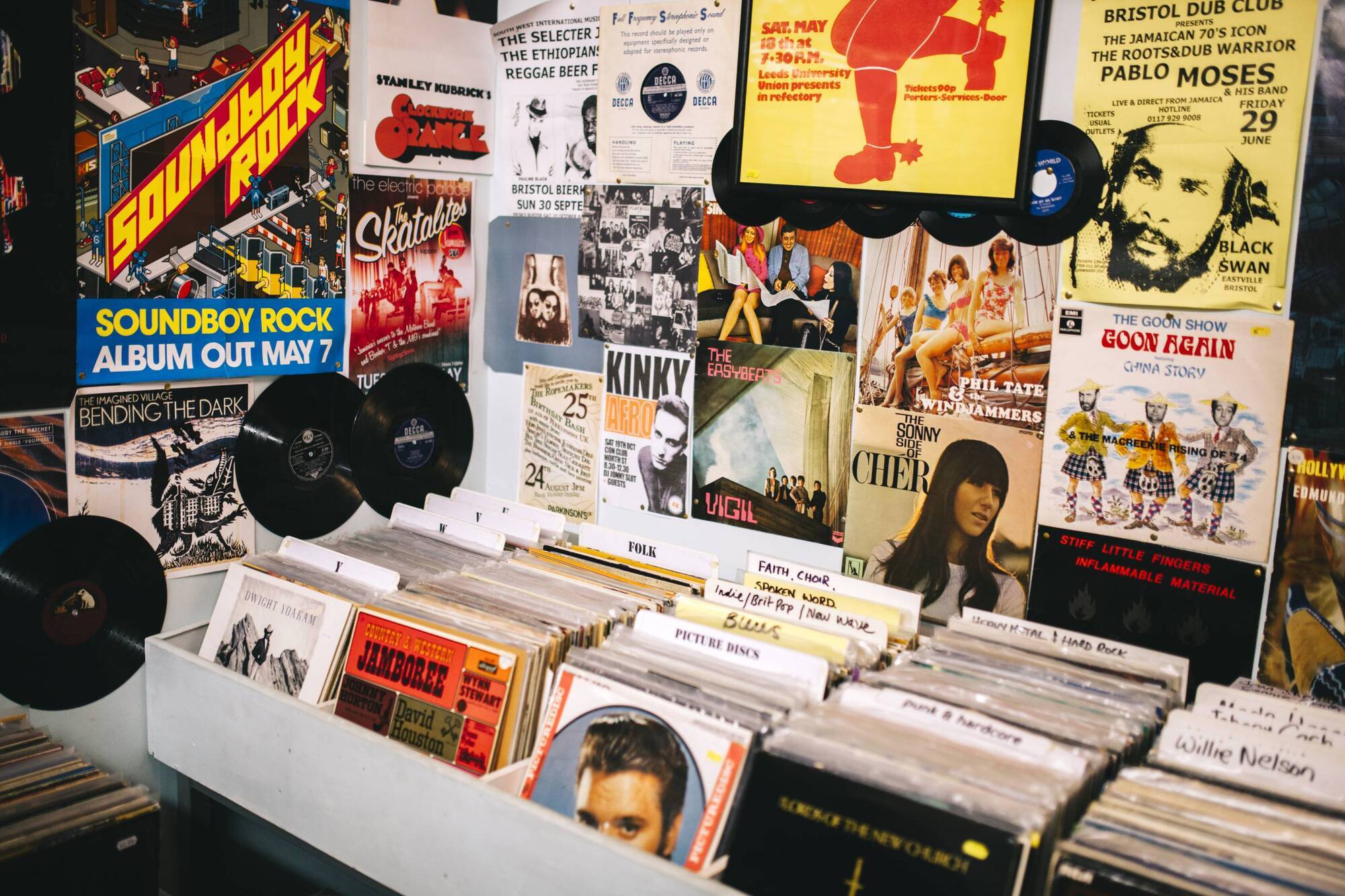
Income from recorded music was back to $12.9bn last year from a low of $6.7bn in 2014.

My mum’s sister was a classic Dublin wit: dry, caustic, withering. Her husband was somewhat averse to physical activity.
If there was snooker on he might not move for months. ‘How is he?’ my mum once asked. ‘Dead these three weeks, Bridie,’ my aunt replied, ‘I just haven’t the heart to tell him.’
Could the CD be at that stage? Should someone have a word with it?
It ran the music world once: In 2000 it had sales in the US of $13 billion, accounting for 92% of all recorded music revenue. Last year those figures were $600 million and 5.5% of revenue.
It is in danger of being lapped by vinyl. The only question is: will it take the ‘album’ with it?
You see the ‘album’ is a different beast entirely. The CD was just its latest physical form on earth. The album is not really of this world.
It has been here before as vinyl, cassette, 8 track and very briefly mini-disk. It had outlived all of them, and will outlive the CD.
It started in the era of the 78, way back in 1910.
Because 78s were fragile and could hold limited amounts of music manufacturers started to make little books like photo albums to put them in.
Soon record companies started to release longer recordings over a few discs in these books. People called these record albums.
In the 1950s vinyl took the album-length to 23 minutes a side. Artists began thinking in terms of recording a suite of songs.
Hence when Sinatra was recording Sinatra Sings for Only The Lonely in 1958 he paced it the way Tommy Dorsey had his live shows, ‘every second from start to finish'.
He had just divorced Ava Gardner and arranger Nelson Riddle had just lost his six-month-old daughter. Sadness seeped from its every groove.
There were so many forces at play. The greatest talents of that generation wanted to be in music.
They were writing their own songs and wanted control of everything: the sound of the record, the sleeve, the lyrics. They wanted to see what they could do.
What was the studio capable of? It was a creative explosion of writing, performance, recording and art.
By the time Sgt Pepper topped the charts in May 1967 it seemed as if the entire cultural world of that decade had been distilled down to one record.
Peter Blake’s sleeve, its bright modern colours and the songs seemed to position it on the very faultline between the past, and a somehow glorious future. People defined themselves by the albums they loved and those albums acted as gateway drugs to to films, books and even politics.
And it has stayed that way ever since.
Think England in the early Seventies: think Bowie and Ziggy Stardust. Think England in the late 1970s, the three-day week and endless strikes: think The Sex Pistols’ Never Mind The Bollox. Think late '80s drug culture: think The Stone Roses. Think Grunge: think Nirvana. Think early 21st century cool: think The Strokes' Is This It. And then think Napster.
But it is not all bad news. Income from recorded music was back to $12.9 billion last year from a low of $6.7 billion in 2014 and a CD driven peak of $14 billion in 2000.
This is not making its way fairly to artists, but at least there is a pot to fight over.
Music won’t go away, but will the album?
I don’t think I will. The idea of a ‘body of work’ has become ingrained in artist’s minds, and with it, the idea of debut albums, come back albums, break up albums, solo albums, themed ones, concept ones and career-defining ones.
Even for artists like Taylor Swift they remain a flag that says ‘This is me, now,’ different to the old me. When I finish writing this I’m going online to buy Emma Swift's Blonde on the Tracks, her sublime album of Dylan covers.
I will await its arrival with baited breath.
The album is going nowhere.