Human trafficking victims honoured on their 10th anniversary
Three men, one woman and four children died from suffocation in December 2001 when they tried to gain entry to the country in a freight container transported from Belgium to Rosslare.
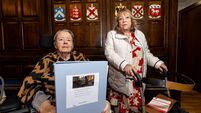
A group of Turkish, Kurdish and Irish people took part in a ceremony at Wexford Business Park to remember those who died. The group included two survivors as well as family and friends of the victims.
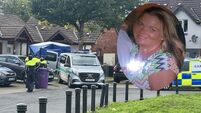
It was 10 years ago yesterday that 13 people were pulled from a container in a business park in Wexford, eight of whom having already perished inside the 12m airless metal container which became their tomb.
They were fleeing economic depression but found themselves at the mercy of Albanian human trafficking gangs.
Bekam Gular, 3, and his nine-year-old brother Iman died alongside their mother Samiye, 28, after travelling from Turkey with their father Karadede, 32, who survived.
Hasan Kalendergil, his wife Kadriye, their son Kalender and daughter, Zeliha, also entered the container on Tuesday, December 4, 2001 in Zeebrugge, having been informed that they would be in Dover and out of their sealed confines in seven hours.
Kadriye is the only surviving family member.
Mustafa Demir, a 23-year-old trainee hotel manager from central Turkey who had travelled alone from Germany, also died in the container, as did Yuksel Ucaroglu, 26, who had travelled from Istanbul.
The five survivors were taken to Wexford General Hospital after the grim discovery was made by Sergeant Colm O’Leary and Wexford Gardaí.
All of the occupants of the container had expected to travel to Britain in expectation of finding a new life.
Their journey ended in Wexford Business Park after two mix-ups by human traffickers, several of whom were jailed for their crimes.
The 13 spent almost 100 hours in the container, having spent 53 hours on stormy seas and a further two days in the container in the south-east due to a final mix up at Belview Port in Waterford.
Yesterday, relatives of the eight people who perished attended a poignant commemorative event and wreath-laying ceremony at a Drinagh memorial garden, which was created in the victims’ honour in 2005.
CONNECT WITH US TODAY



Be the first to know the latest news and updates