Macra calls for fuel cap ahead of meeting with Government

Via a survey, 94% of Macra members have been financially impacted by rising fuel costs.
The voices of rural young people will be heard at the government meeting scheduled with representative organisations regarding the fuel cost crisis.
Macra na Feirme is set to voice concerns of young people at Friday’s stakeholder meeting with key asks based on results of a fuel and fertiliser survey of its members.
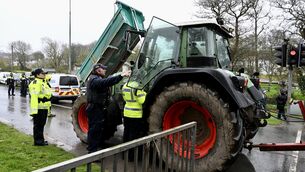
As nationwide fuel protests continue, Macra has called for urgent and targeted support for young people living in rural Ireland ahead of Friday’s fuel meeting at Agriculture House in Dublin.
Macra national president Josephine O’Neill said: “Agri-diesel has increased dramatically in recent months, and is rising at a faster rate than road fuels. These are costs that young farmers simply cannot absorb, particularly at a time of other input pressures.
"The measures announced to date have not kept pace with the reality on the ground, and more decisive action is now required."
Read More
More than 370 young farmers, contractors, and rural dwellers responded to a survey circulated by Macra to its membership.
The findings highlight the scale of the pressure facing rural communities, with over 94% of respondents indicating they are financially impacted by rising fuel costs, while 72% said they can no longer afford to fill their car since prices escalated.
Respondents also expressed a strong dissatisfaction with the Government’s response to date, including excise duty reductions and the pausing of the Nora levy, with many saying that the measures did not go far enough.
Macra is calling for a cap on fuel prices at pre-crisis levels, a similar request coming from protesting groups across the country. This could be supported through a range of measures, including further reductions in excise duty, consideration of reduced Vat rates, and a pause on carbon tax increases.
At a minimum, Macra is seeking the inclusion of agri-contractors in existing relief schemes and the postponement of any planned increases in carbon tax.
The organisation is also reiterating its call for a dedicated crisis response scheme for farmers and contractors using agri-diesel, reflecting the significant increase in costs in recent months.
Macra also plan to highlight concerns regarding the supply and cost of fertiliser, including the impact of the carbon border adjustment mechanism, and is calling for its suspension in light of current pressures.
Ms O’Neill said: “Our priority is to ensure that fuel costs, particularly agri-diesel, white diesel and petrol, are brought back to manageable levels. We have seen in other countries that stronger interventions are possible.
"Any measures introduced must be practical and accessible, particularly for young farmers who may not have the cash flow to benefit from delayed supports such as rebate schemes.”